News Summary
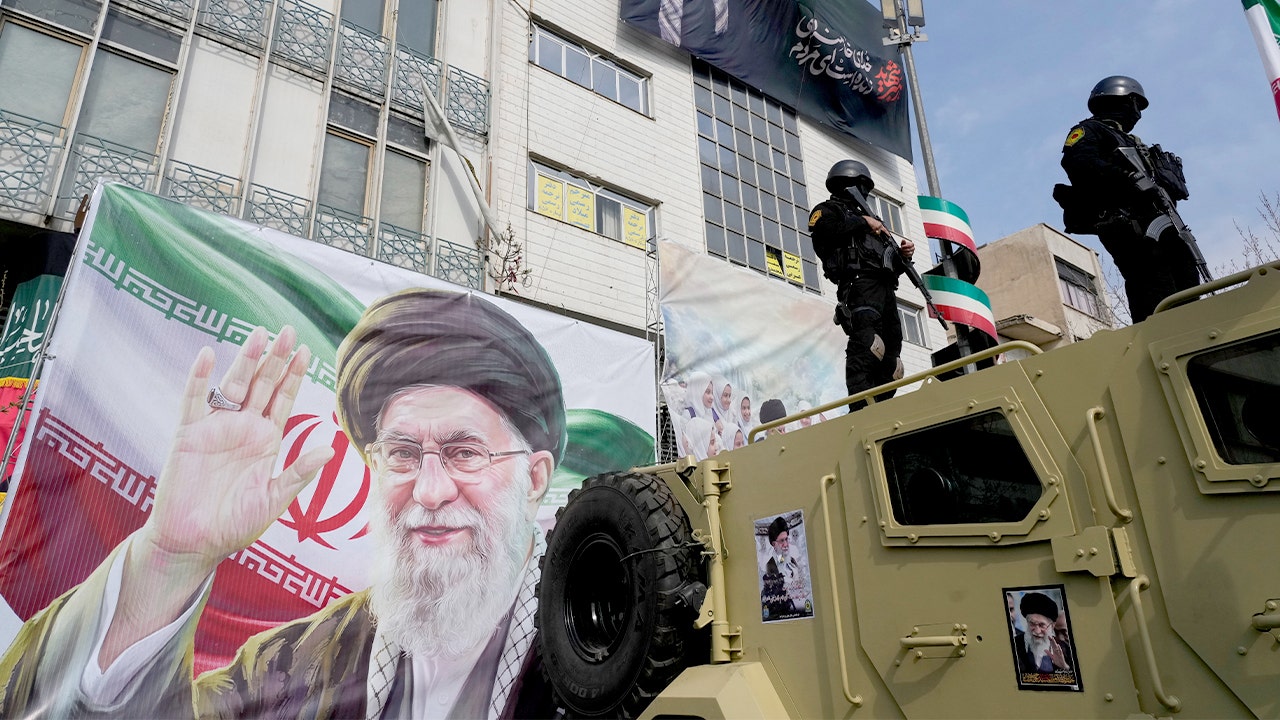
Iranian state media announced a multi-day state funeral for Supreme Leader Ayatollah Ali Khamenei to begin in Tehran on July 4 and conclude with burial in Mashhad on July 9, with public ceremonies in Tehran, a procession to Qom on July 7, and burial at the Imam Reza shrine in Mashhad. The article quotes Dr. Omar Mohammed, a counterterrorism expert, who described the event as "target-rich" and argued the timing signals confidence that any ceasefire or diplomatic arrangement with the United States will hold; he also said the dates deliberately leverage Shia religious symbolism (the mourning month of Muharram) and noted the overlap with U.S. Independence Day. The piece states Khamenei was killed on Feb. 28 in U.S. and Israeli airstrikes, and reports that Mojtaba Khamenei, the reported successor, has remained out of public view and would be exposed if he appears at the burial. The article frames several security vulnerabilities inherent in a large, multi-city funeral and attributes to experts the view that the funeral can be used by Iran’s leadership to reframe the narrative of the conflict and consecrate succession, while noting the state's declared schedule and publicly reported dates.
Biblical Reflection
The article primarily presents expert geopolitical analysis and reportage of announced plans, but much of its interpretive weight rests on one expert's reading of symbolism and strategic intent. As Christians seeking truth and prudence, we should note the factual items (dates, locations, reported death, announced ceremonies) while treating narrative claims about motive and messaging as informed interpretation rather than settled fact. The reporting reflects a security-first, U.S.-centered lens that emphasizes risk and rivalry; this framing can narrow our view of the Iranian people, religious practices, and the grieving that occurs in wartime. Pastoral attention calls us to resist dehumanizing language, to pray for civilian safety, and to seek peace and justice simultaneously — asking hard questions about proportionality, the costly consequences of military action, and the human toll of political theater. Discernment means weighing verified facts, recognizing likely bias toward securitization, and holding in tension the need for honest analysis with compassion for those who will suffer if violence escalates.
Scripture in context
This outlook does not yet include contextual Scripture citations. Do not treat a general biblical theme as an exegetical conclusion.
Faithful Response
No prescribed response is offered. Consider the reflection prompts below in your own church context.
Reflection and Discussion
- 1Which voices does this article center — security experts, state officials, or ordinary Iranians — and how does that choice shape our understanding?
- 2How might language that frames the funeral as a strategic 'message' or the leader as 'murdered' influence public appetite for revenge or restraint?
- 3Are we conflating religious ritual and political messaging when we interpret Muharram dates and shrines primarily through a geopolitical lens?
Sources
Reporting links are evidence inputs; Sanctuary News' biblical reflection is commentary.
This outlook currently relies on fewer than two linked sources. Broaden verification before teaching from it.
- 1.Original reportprimary