News Summary
On June 16, 2026, Iranian officials told foreign diplomats that the U.S.-Iran memorandum of understanding (MOU) includes a mechanism that could be triggered if Israel violates the agreement, and Iran views the deal as effectively pairing the U.S. and Israel against Iran and Hezbollah. Iran's deputy foreign minister and foreign minister said continued Israeli military presence in Lebanon would constitute a violation of the MOU. The U.S. has not released the text of the document, which Vice President JD Vance is expected to sign; senior U.S. officials said the full text would be published within 24–48 hours. Israeli leaders have said troops will remain in parts of southern Lebanon, and some Israeli ministers have rejected being bound by the U.S. agreement. U.S. officials, including Vance, described the MOU as a brief, general document establishing a 60-day window for technical negotiations on issues including Iran's nuclear program; they deny claims that Iran will receive sanctions relief or large asset releases before demonstrating compliance. Iran's Revolutionary Guard has said the deal involves the release of frozen funds (figures reported by Iranian sources include $24 billion during the negotiation window and a referenced $300 billion reconstruction figure), claims U.S. officials contest. President Trump criticized Israeli conduct in Lebanon and said the deal could bring stability; Senate Democrats, including Chuck Schumer, demanded transparency and immediate briefing to Congress. The MOU is expected to extend a ceasefire, reopen the Strait of Hormuz, end a U.S. naval blockade of Iranian ports, and begin negotiations on nuclear issues, while many details and points of contention (asset unfreezing, scope of negotiable topics, Israeli withdrawals) remain unresolved.
Biblical Reflection
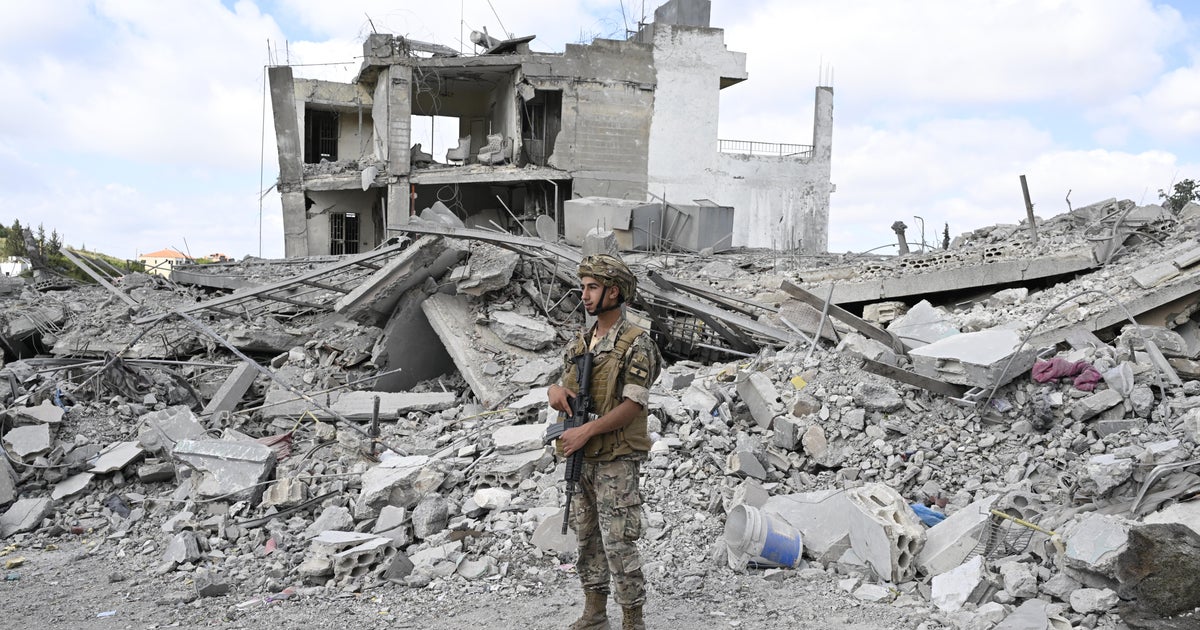
The article exposes a high-stakes diplomatic effort shrouded in ambiguity and competing narratives. From a Christian perspective, the lack of transparency and conflicting claims are morally significant: truth-telling and covenant-faithfulness are foundational to durable peace. The competing framings—U.S. officials downplaying preconditions, Iranian hardliners portraying large preemptive gains, and Israeli leaders asserting independence from the agreement—reveal domestic political incentives that can distort negotiation language and raise risks for civilians. Christians should notice three things: (1) ambiguous deals can produce false security when parties or publics assume different meanings, increasing the chance of renewed violence; (2) political messaging often privileges national positioning over neighbor-care, making the human cost (displaced Lebanese civilians, risk to sailors in the Strait, broader regional escalation) easy to overlook; (3) faithful peacemaking requires both courage to speak truth and mercy toward the vulnerable. The article's narrative contains bias from all sides—official denials, possible propaganda by hardliners, and political posturing—so discerning readers should withhold full confidence until texts and implementation details are public. Pastoral response calls for praying for civilians, pressing leaders for accountability and clarity, and advocating for policies that protect noncombatants and prioritize genuine reconciliation over short-term strategic optics.
Scripture in context
This outlook does not yet include contextual Scripture citations. Do not treat a general biblical theme as an exegetical conclusion.
Faithful Response
No prescribed response is offered. Consider the reflection prompts below in your own church context.
Reflection and Discussion
- 1Who benefits if the memorandum's language remains ambiguous, and who bears the most risk from that ambiguity?
- 2How are the safety and dignity of civilians—especially displaced Lebanese families—being weighed against strategic or political gains?
- 3What measures of accountability and transparency should Christians expect from leaders negotiating peace on behalf of others?
Sources
Reporting links are evidence inputs; Sanctuary News' biblical reflection is commentary.
This outlook currently relies on fewer than two linked sources. Broaden verification before teaching from it.
- 1.Original reportprimary