News Summary
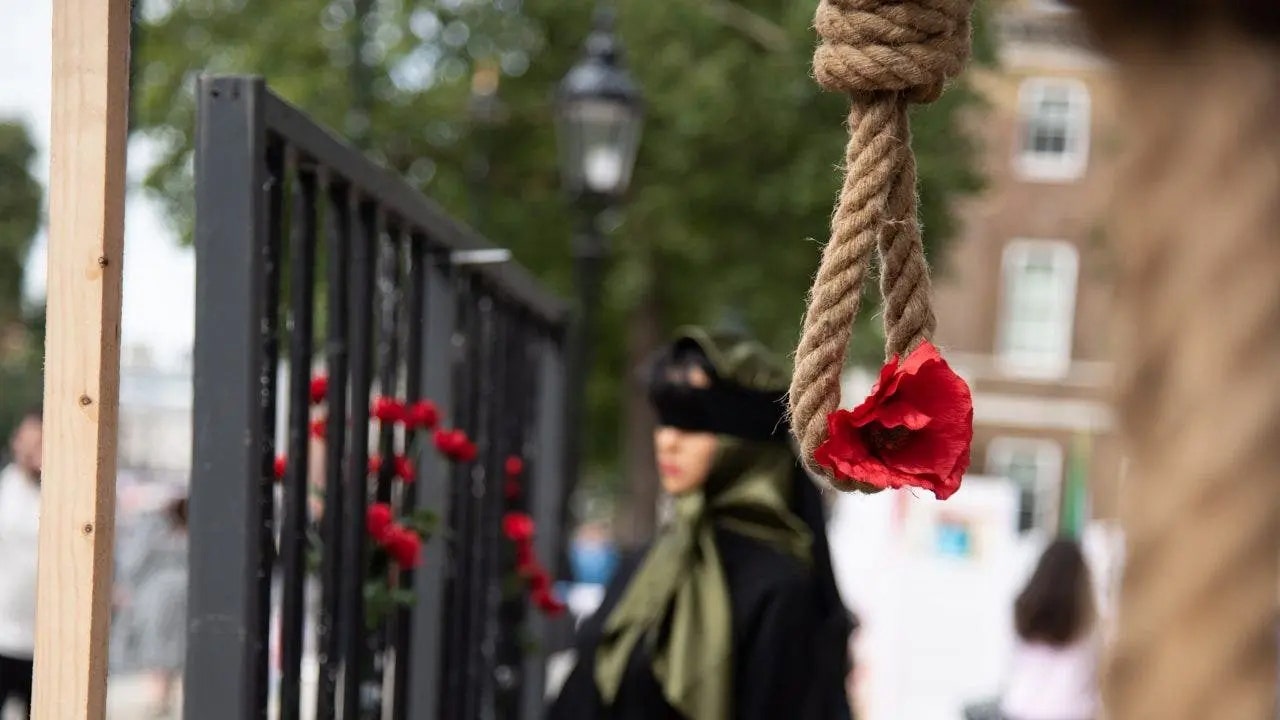
Multiple monitoring groups and opposition sources report a surge in executions of political prisoners and participants in the January 2026 protests in Iran. The Iran Human Rights Society has documented 784 executions in 2026 and warned the true figure is likely higher due to secrecy and restricted information flows. The National Council of Resistance of Iran (NCRI) reported at least 18 executions between May 31 and June 1 and counted 32 executions from March 19 to June 1, including members of the People’s Mojahedin Organization (PMOI/MEK) and January protesters. A State Department official publicly condemned reported executions and referenced long-standing concerns about torture, sham trials, and coerced confessions. Internet monitoring group NetBlocks says connectivity has largely been restored but remains limited and filtered, especially for messaging apps, complicating documentation. Human-rights monitors say many executions are carried out secretly, in remote areas, or without public announcement; the UN Special Rapporteur did not respond to a request for comment in the piece. Opposition leaders have appealed to the U.N. and EU to intervene to prevent imminent executions.
Biblical Reflection
The reports describe grave violations against vulnerable people and a pattern of secrecy that makes independent verification difficult. From a Christian perspective, the core concerns are clear: human dignity is being denied, truth is being obstructed, and the vulnerable are exposed to lethal injustice. The article leans on human-rights groups and opposition sources; those organizations have reasons to publicize abuses, but independent corroboration (multiple monitors, a U.S. State Department statement, and internet-monitoring data) supports the core claim that executions and information suppression are occurring at scale. Christians should hold two convictions together: condemn cruelty and protect the marginalized, while exercising discernment about source bias and incomplete information. We should pray for accurate documentation so the truth can be known, advocate for due process and transparency, and support nonviolent care for those affected — refugees, families, and local advocates — rather than indulging in retaliatory rhetoric. The situation also calls the church to resist despair by bearing witness to truth, welcoming survivors, and urging peaceful accountability through international and local channels.
Scripture in context
This outlook does not yet include contextual Scripture citations. Do not treat a general biblical theme as an exegetical conclusion.
Faithful Response
No prescribed response is offered. Consider the reflection prompts below in your own church context.
Reflection and Discussion
- 1How does limited access to reliable information change the way you evaluate reports of human-rights abuses?
- 2Which sources are providing corroboration, and where might partisan motives shape the narrative?
- 3As Christians, how do we balance urgent moral outrage with disciplined verification and commitment to nonviolent justice?
Sources
Reporting links are evidence inputs; Sanctuary News' biblical reflection is commentary.
This outlook currently relies on fewer than two linked sources. Broaden verification before teaching from it.
- 1.Original reportprimary