News Summary
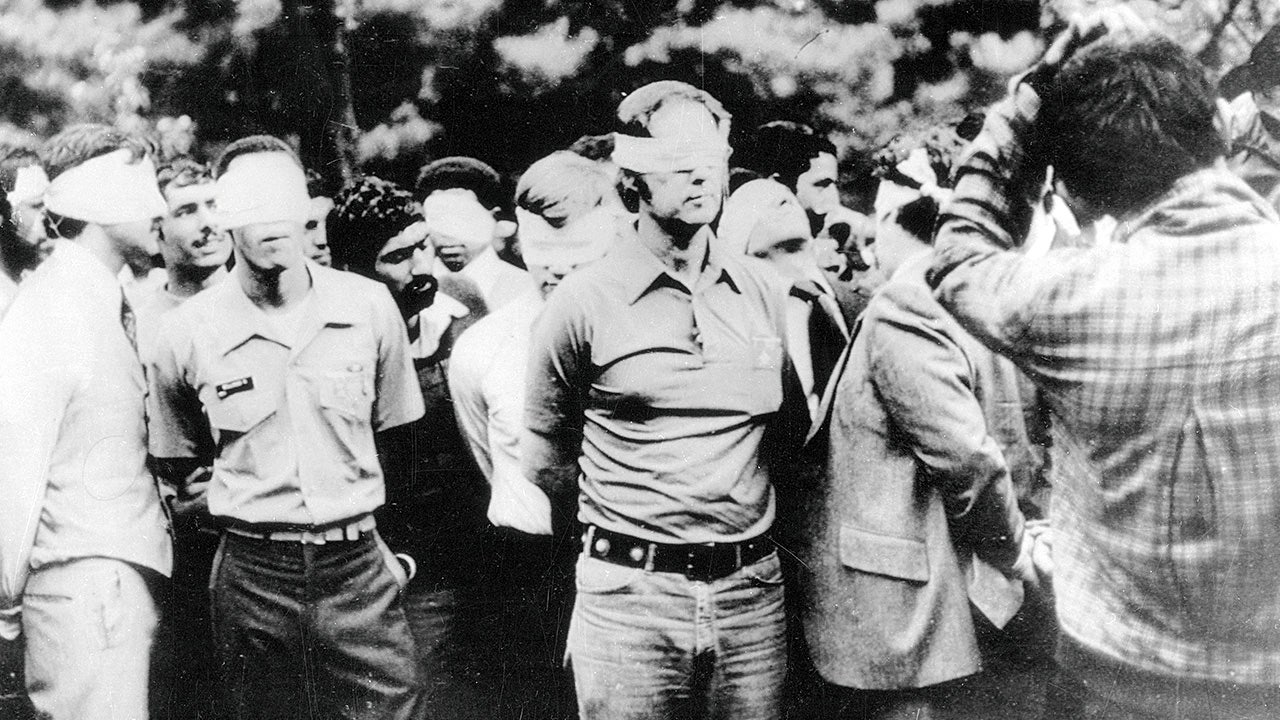
This opinion piece by Erfan Fard argues that the Islamic Republic of Iran is not a conventional diplomatic partner but an ideological, revolutionary regime whose strategy centers on terrorism, proxy warfare and anti‑Western hostility. The author traces this orientation to the 1979 revolution and the rise of Khomeinist ideology, describes the creation and expansion of transnational networks led by the IRGC and Quds Force (including Hezbollah, Hamas, militias in Iraq, and the Houthis), and lists historical incidents and plots he attributes to Tehran’s reach (from embassy hostage taking to assassination plots). Fard contends that U.S. policymakers have repeatedly misdiagnosed Iran by treating it as a normal state and that diplomatic efforts and sanctions relief (including the JCPOA) have failed to change Tehran’s behavior because they did not address missiles, proxy networks, or ideological goals. He acknowledges internal weaknesses and repression inside Iran but warns that a cornered regime becomes more dangerous, using violence abroad and propaganda to survive. The piece concludes that Washington should recognize Iran as a long‑term national security threat rather than a standard negotiating partner.
Biblical Reflection
This article presents a coherent national‑security argument grounded in documented elements of Iranian statecraft — the IRGC’s regional networks, past attacks on U.S. interests, and the regime’s revolutionary ideology are real phenomena. At the same time, it is an opinion piece with a clear hawkish frame: it treats the regime as monolithic and largely discounts diplomatic successes or the potential to separate pressure from constructive engagement. The piece risks blurring the line between theocratic rulers and the Iranian people, and it underplays internal political complexity, legitimate popular grievances inside Iran, and the varied motives of regional actors. Christian discernment calls for holding competing truths together: prudence in protecting innocent life and national security, courage to confront violence and terrorism, and mercy that resists dehumanizing ordinary people who suffer under repressive governments. Policy shaped by fear alone can lead to escalation and collateral harm; wisdom requires careful evidence, restraint, and a commitment to seek justice for victims while pursuing avenues that reduce violence and protect the vulnerable.
Scripture in context
This outlook does not yet include contextual Scripture citations. Do not treat a general biblical theme as an exegetical conclusion.
Faithful Response
No prescribed response is offered. Consider the reflection prompts below in your own church context.
Reflection and Discussion
- 1Are we distinguishing clearly between a regime’s leaders and the ordinary people who live under that regime, or does the rhetoric make it easy to dehumanize an entire nation?
- 2Which claims in the argument are established facts (documented proxy activity, past attacks) and which are policy conclusions that depend on strategic choices (whether diplomacy can work)?
- 3Does the framing of this threat encourage policies that protect life and justice, or does it favor approaches that risk wider violence and further suffering?
Sources
Reporting links are evidence inputs; Sanctuary News' biblical reflection is commentary.
This outlook currently relies on fewer than two linked sources. Broaden verification before teaching from it.
- 1.Original reportprimary