News Summary
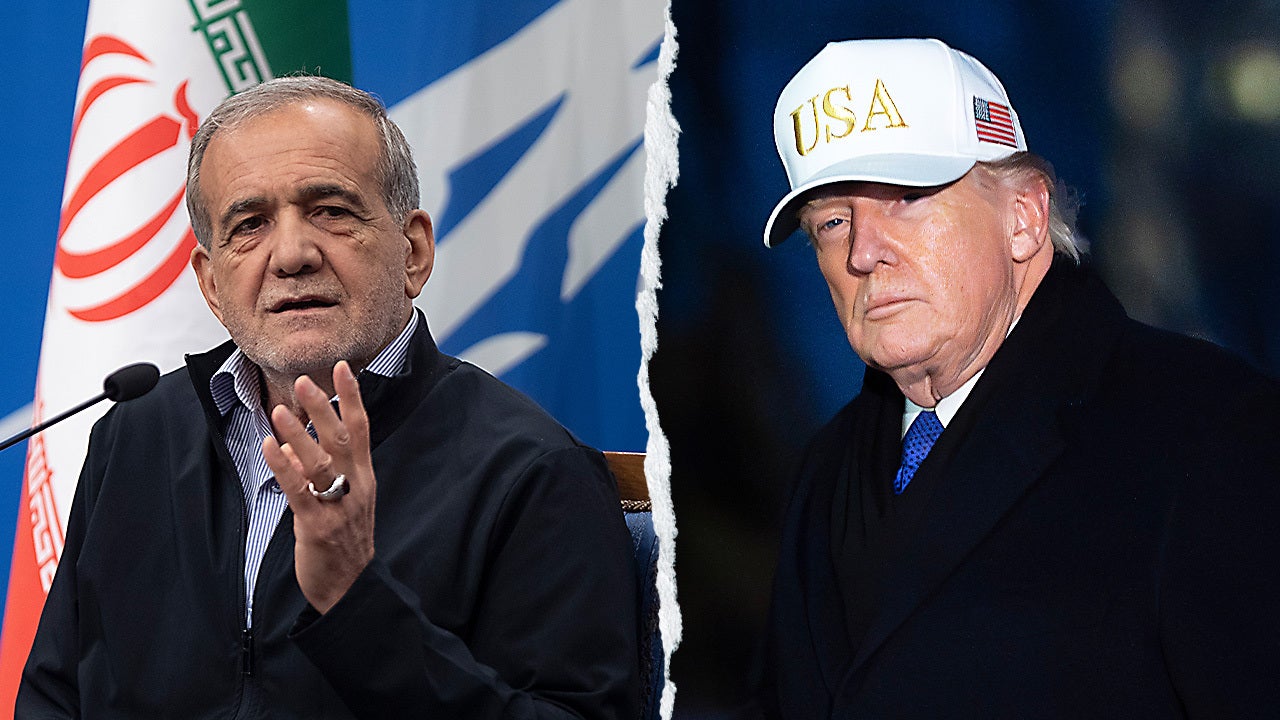
On May 24, Iranian President Masoud Pezeshkian posted on X marking the anniversary of the 1982 recapture of Khorramshahr and wrote that “Khorramshahr today is Iran, the Persian Gulf, and the Strait of Hormuz,” adding that “resistance, self‑sacrifice, and repelling aggression are rooted in the culture of this land.” The post and its timing were reported by Fox News Digital and interpreted by analysts, including Dr. Omar Mohammed of George Washington University, as an intentional invocation of a foundational wartime symbol in Iran’s history. Analysts said the language maps the Iran–Iraq War’s defensive imagery onto current tensions with the U.S. and Israel and signals a posture of resistance that could complicate negotiations. The report also notes President Donald Trump’s statement that a deal with Tehran is “largely negotiated,” while both sides say remaining details are unresolved and a final agreement is not imminent. The article cites this rhetorical framing as a standard Iranian escalation tactic—referencing the Strait of Hormuz and volunteer/resistance motifs—and characterizes the X post as a high‑stakes message rather than mere rhetoric. The reporting appears in Fox News Digital and quotes analysts; it does not report new military action tied directly to the post, though it references broader patterns of Iranian signaling such as live-fire drills in the region discussed elsewhere.
Biblical Reflection
From a Christian perspective, rhetoric that elevates wartime myths and celebrates sacrifice can harden hearts and make reconciliation harder. Political leaders naturally use national memory to rally domestic support and deter adversaries, but when language frames the conflict as existential and valorizes mass sacrifice, it risks normalizing suffering and obscuring the human cost. The article reasonably reports statements and expert interpretation but leans on a security-focused frame—common in outlets covering diplomacy and conflict—which can emphasize threat and escalation over avenues for de‑escalation and humanitarian concern. Christians are called to seek truth and compassion: weigh the difference between symbolic rhetoric and actual policy or action, be alert to framing that reduces people to instruments of state power, and pray for leaders to pursue peace with justice. At the same time, avoid simplistic judgments about entire peoples; recognize legitimate national memories while holding leaders accountable when rhetoric endangers civilians. Our posture should be one of humility, insisting on truth without giving in to fear, and mercy without naivety.
Scripture in context
This outlook does not yet include contextual Scripture citations. Do not treat a general biblical theme as an exegetical conclusion.
Faithful Response
No prescribed response is offered. Consider the reflection prompts below in your own church context.
Reflection and Discussion
- 1What purpose does invoking foundational wartime memories serve for a government during sensitive diplomacy, and how might that shape both domestic and international reactions?
- 2How does the media frame—security threat vs. peacemaking opportunity—change the public’s perception of negotiation prospects and acceptable responses?
- 3When leaders praise ‘resistance’ and ‘sacrifice,’ whose lives become most at risk, and are those human costs visible in the debate?
Sources
Reporting links are evidence inputs; Sanctuary News' biblical reflection is commentary.
This outlook currently relies on fewer than two linked sources. Broaden verification before teaching from it.
- 1.Original reportprimary