News Summary
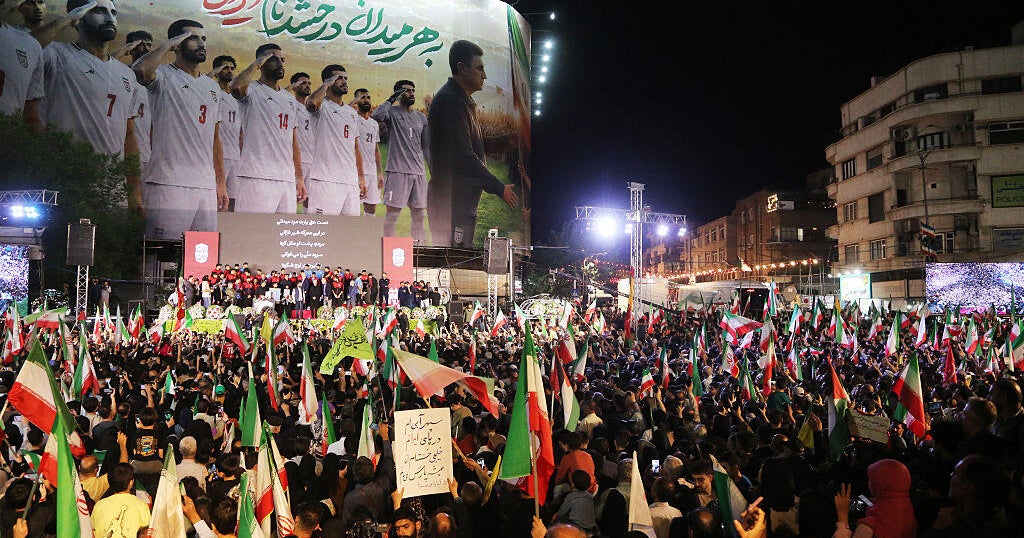
Iran's men's national soccer team (Team Melli) will travel to Antalya, Turkey, for a training camp, friendly matches and to complete visa procedures for entry to the United States ahead of the 2026 FIFA World Cup, head coach Amir Ghalenoei said. The squad of 30 players must be reduced to the tournament maximum of 26; one well-known player named is Mehdi Taremi. Iran hopes to play two friendlies in Antalya and has confirmed a match against Gambia on May 29. Iranian federation head Mehdi Taj said no U.S. visas have yet been issued and that players are expected to undergo fingerprinting in Turkey, which the federation prefers to keep local to avoid travel to Ankara. Taj is also expected to meet FIFA president Gianni Infantino as Tehran seeks assurances amid regional tensions. Iran will base in Tucson, Arizona, for the World Cup and is scheduled to play New Zealand (June 15 at SoFi Stadium), Belgium (SoFi Stadium) and Egypt (Lumen Field in Seattle). The article notes past mixed public statements by U.S. President Donald Trump about whether Iran should participate, and reiterates Infantino's public confirmation that Iran will play in the United States.
Biblical Reflection
This story shows how international sport intersects with diplomacy and security. Objectively, the article reports logistical steps — training, friendlies, roster trimming, and visa processing — alongside the political context that complicates travel for an Iranian delegation to the U.S. Christians should note two primary truths: (1) athletes and sporting events often become surrogate spaces for strained international relations; this can tempt media and politicians to conflate individual competitors with state policies. The article largely relays facts, but the inclusion of political commentary (notably President Trump's mixed remarks) highlights how sport can be politicized for broader narratives. (2) From a biblical viewpoint, the dignity and safety of persons — including athletes — matter regardless of national or political tensions. Scripture calls Christians to be peacemakers and to seek justice and protection for the vulnerable. While institutions like FIFA and host governments must manage security and legal requirements, the Christian response should be to pray for wise, fair processes and for respect for human dignity amid geopolitical disputes. Beware of allowing partisan frames to eclipse the human realities: journalists and readers can overemphasize political theater at the expense of accurate understanding of procedures (visas, fingerprinting) and the players’ role as individuals rather than proxies. The faithful response is sober discernment: recognize legitimate safety concerns, avoid demonizing people for their nationality, and hold institutions accountable to fair, transparent treatment.
Scripture in context
This outlook does not yet include contextual Scripture citations. Do not treat a general biblical theme as an exegetical conclusion.
Faithful Response
No prescribed response is offered. Consider the reflection prompts below in your own church context.
Reflection and Discussion
- 1How does coverage that mixes sporting logistics with political statements shift your perception of the athletes — as people or as symbols of a state?
- 2What assumptions about safety, sovereignty, and moral authority underlie calls to bar or permit a national team from competing on foreign soil?
- 3How should international bodies (like FIFA) and host nations balance security concerns with the dignity and rights of visiting athletes?
Sources
Reporting links are evidence inputs; Sanctuary News' biblical reflection is commentary.
This outlook currently relies on fewer than two linked sources. Broaden verification before teaching from it.
- 1.Original reportprimary