News Summary
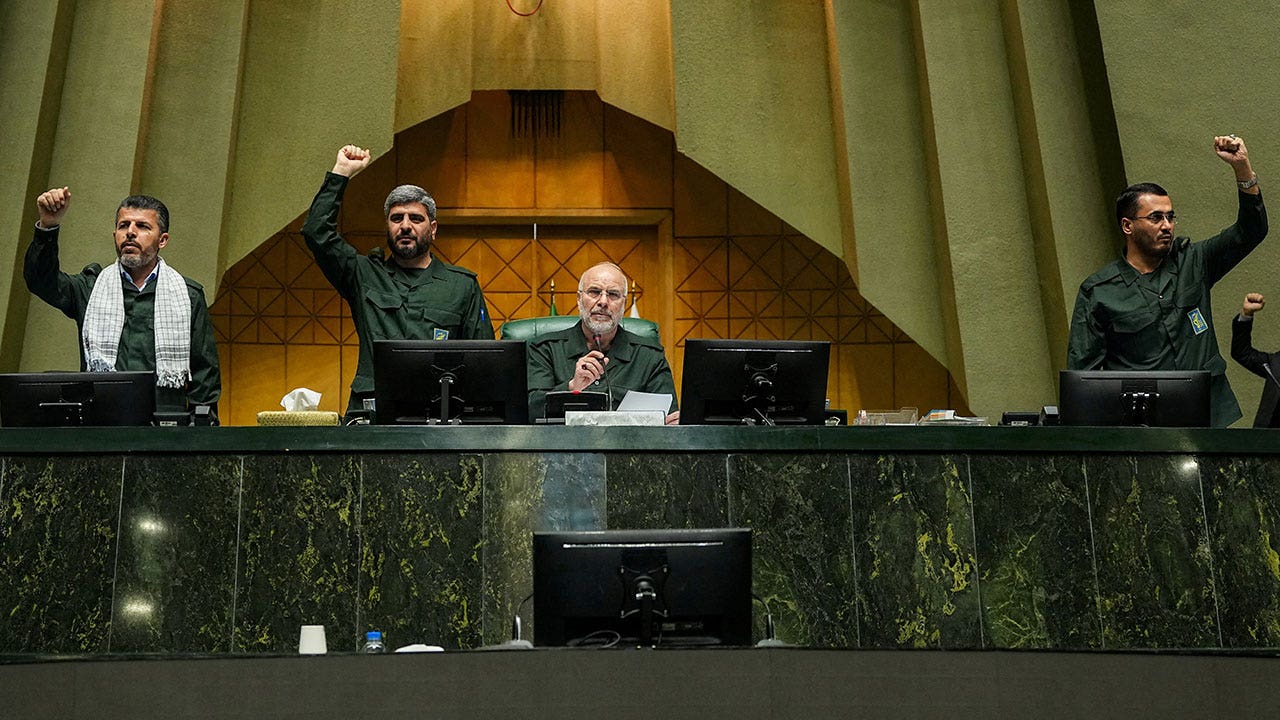
Iranian parliament speaker Mohammad Bagher Ghalibaf warned that Iran would not honor its commitments under a newly signed memorandum with the United States if Washington did not uphold its obligations, according to the Islamic Revolutionary Guard Corps media. Quds Force commander Esmail Qaani made similar threats, saying Americans should avoid confronting Muslims and referencing strategic choke points such as the Strait of Hormuz and Bab al-Mandeb. The memorandum — digitally signed by President Donald Trump and Iranian President Masoud Pezeshkian — is an interim 14-point plan intended to end active hostilities and resume maritime traffic through the Strait of Hormuz. Under its terms, the U.S. agreed to begin lifting a naval blockade, cooperate on a $300 billion reconstruction and development plan for Iran, and terminate specified sanctions on an agreed schedule; financial licenses and waivers necessary for transactions would be granted. Iran reaffirmed it will not procure or develop nuclear weapons and agreed to negotiate the disposition of its enriched material under a future mechanism (including on-site down-blending under IAEA supervision). Many difficult nuclear and enforcement questions are deferred to a 60-day negotiation period for a final deal. The article profiles Ghalibaf’s background in the IRGC and domestic security roles, cites allegations of corruption tied to his family, and quotes analysts who warn the regime may use the memorandum tactically without changing its long-term posture toward the U.S., Israel, or regional proxies. Fox News notes experts’ concern that the leadership signing the deal are the very forces capable of enforcing or subverting compliance. The story references MEMRI translations of Iranian statements and says the White House was contacted for comment.
Biblical Reflection
This report highlights a fragile interim diplomatic step and the real tension between pursuing peace and the risk that hardline actors will use agreements tactically. The article truthfully reports public warnings from senior Iranian figures and factual terms of the memorandum, but its framing emphasizes distrust and the hardline backgrounds of Iran’s negotiators — a reasonable emphasis given the leaders’ statements and history, though it may understate uncertainties on both sides (e.g., internal Iranian politics, U.S. enforcement options). From a Christian perspective, pursuing peace is a moral good, but it must be pursued with wisdom, accountability, and a clear-eyed view of human sinfulness: leaders may speak agreements while pursuing other ends. The piece leans into a security-first worldview — treating the agreement as a transactional pause that could either reduce harm or provide cover for future aggression — which aligns with legitimate prudential concerns but can incline readers toward cynicism or dehumanization of political opponents. Faith-guided discernment calls us to pray for genuine peace, insist on transparency and enforcement mechanisms that protect the vulnerable, and avoid gloating or demonizing rhetoric. Christians should support efforts that reduce immediate harm (e.g., reopening shipping, easing humanitarian pressure) while advocating for safeguards that hold power to account and protect innocent lives.
Scripture in context
This outlook does not yet include contextual Scripture citations. Do not treat a general biblical theme as an exegetical conclusion.
Faithful Response
No prescribed response is offered. Consider the reflection prompts below in your own church context.
Reflection and Discussion
- 1Does the reporting assume signatures equal lasting compliance, or does it sufficiently weigh incentives and enforcement for both sides?
- 2Whose voices are centered as authoritative, and how does highlighting hardline backgrounds shape our trust or fear?
- 3Are we allowing national security frames to crowd out concern for civilians who will be most affected by either cooperation or renewed conflict?
Sources
Reporting links are evidence inputs; Sanctuary News' biblical reflection is commentary.
This outlook currently relies on fewer than two linked sources. Broaden verification before teaching from it.
- 1.Original reportprimary