News Summary
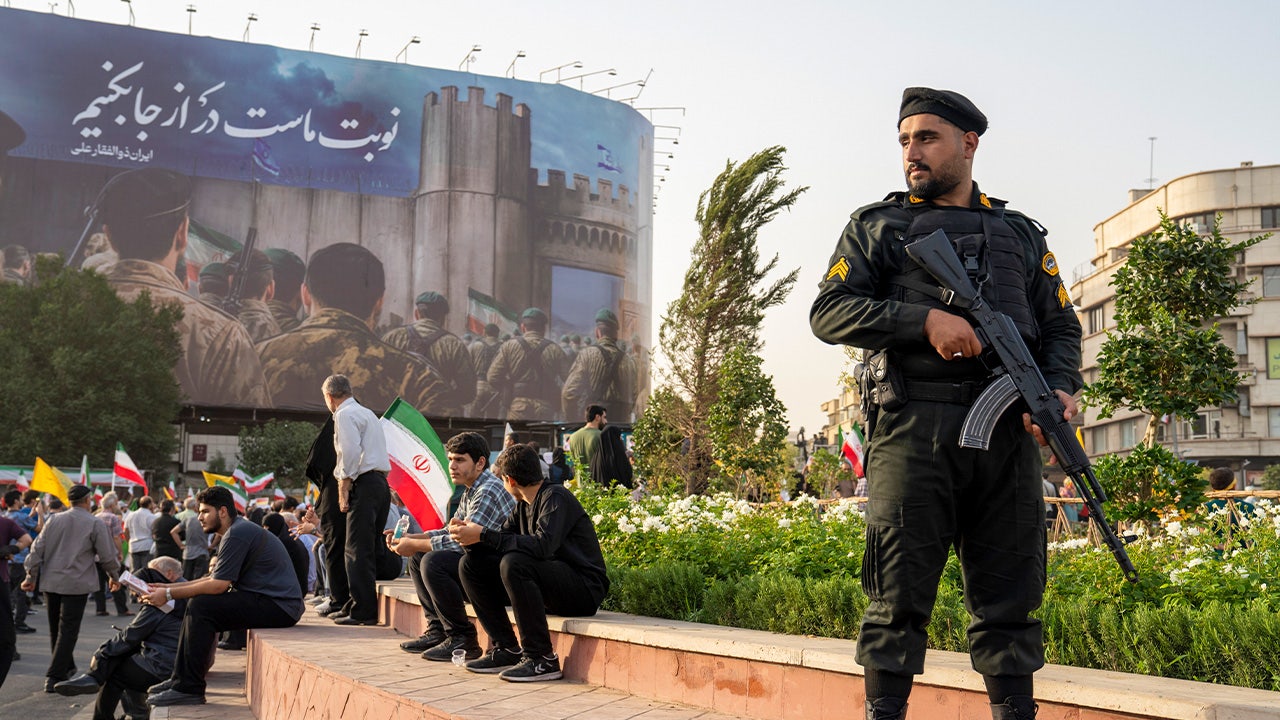
The article reports that Iranian authorities executed Aghil Keshavarz, a 27-year-old man convicted of spying for Israel's Mossad intelligence agency. Keshavarz was accused of conducting more than 200 intelligence-gathering missions, including photographing military and security sites in several Iranian cities, such as Tehran and Urmia. He was arrested in May, tried in a closed-door court, and sentenced to death—a sentence later upheld by Iran's Supreme Court. Notably, Iran has executed at least 11 people for espionage since a recent 12-day air conflict with Israel, which resulted in heavy casualties on both sides. The article also highlights Iran's routine use of closed trials for espionage cases, often denying defendants access to the evidence used against them.
Biblical Reflection
Through a biblical lens, this news brings to the forefront the weighty issues of justice, mercy, and the sanctity of human life. Scripture calls for justice to be pursued (Micah 6:8), but also warns that justice must not be perverted by secrecy, vengeance, or lack of mercy. The use of the death penalty in closed trials—where evidence is withheld from the accused—raises serious concerns about fairness, transparency, and respect for human dignity, all of which are values deeply rooted in the biblical witness. Jesus cautioned against retributive cycles and urged His followers to love their enemies and pray for those who persecute them (Matthew 5:44), while the Old Testament consistently teaches that only just, impartial courts should render judgments (Deuteronomy 16:18-20). The ongoing violence and reciprocal acts of vengeance between nations reflect the brokenness of a world in need of reconciliation and peace, not more bloodshed. Christians are called to mourn the loss of life, pray for the persecuted, and advocate for justice that is tempered by compassion and truth.
Scripture in context
This outlook does not yet include contextual Scripture citations. Do not treat a general biblical theme as an exegetical conclusion.
Faithful Response
No prescribed response is offered. Consider the reflection prompts below in your own church context.
Reflection and Discussion
- 1How do justice and mercy work together when responding to wrongdoing, especially in cases involving life and death?
- 2What responsibility do we have as Christians to speak out against injustice, secrecy, or the misuse of power?
- 3How can we pray for those caught in cycles of violence and retaliation between nations?
Sources
Reporting links are evidence inputs; Sanctuary News' biblical reflection is commentary.
This outlook currently relies on fewer than two linked sources. Broaden verification before teaching from it.
- 1.Original reportprimary