News Summary
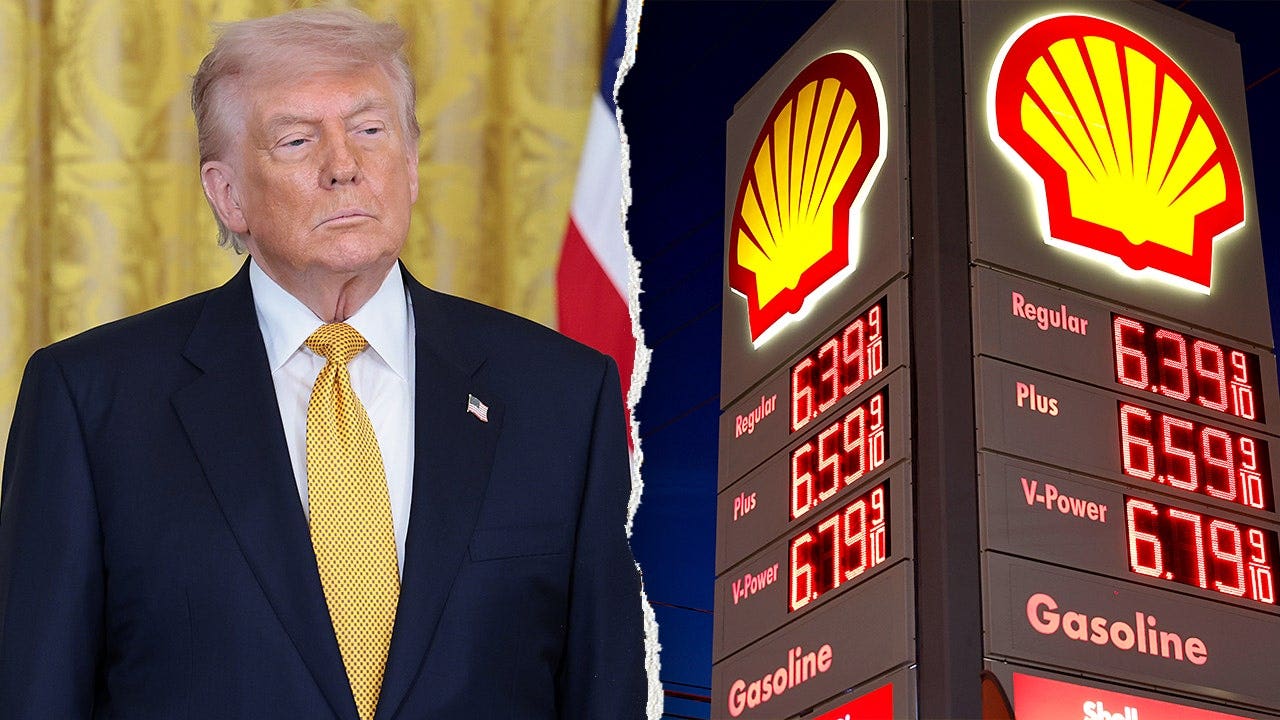
The article reports that disruptions tied to the conflict with Iran — including attacks that have largely closed the Strait of Hormuz — are elevating global oil-market pressures and U.S. gasoline prices. Analysts say even an immediate reopening of the strait would not restore normal flows for months because of logistical bottlenecks, trapped tankers, swollen inventories, and damaged infrastructure. The national average price for regular gasoline is reported at $4.241 per gallon, about 35% higher than a year earlier. Moody’s Analytics estimates the conflict has cost U.S. households roughly $100 billion over three months, about $750 per household. Republican strategists warn prolonged elevated energy costs could harm the party’s prospects in the Nov. 3 midterm elections, arguing economic pain must ease soon; some give a July Fourth timeline for relief. The White House counters that disruptions will be temporary, says the administration anticipated short-term market impacts and is pursuing diplomacy while keeping military options open, and predicts prices will fall once the conflict is resolved. Analysts note U.S. domestic production has insulated the country somewhat but increased U.S. exports and foreign bidding for American crude can push domestic prices higher.
Biblical Reflection
The article presents concrete economic data and expert commentary, but frames those facts through immediate political consequence — chiefly how energy pain may affect Republican midterm chances. The factual claims (price averages, Moody’s estimate, logistics delays) are checkable and grounded in industry analysis; the political interpretation (timelines, blame, electoral risk) reflects partisan perspectives from GOP strategists and a sympathetic outlet. From a Christian viewpoint, the essential truths to hold are twofold: decisions about security and diplomacy have real human costs, and political spin can obscure the lived suffering of ordinary households. Christians should be wary of narratives that reduce complex international conflict to short-term electoral advantage or scapegoating. The Christian response calls for sober truth-telling, careful stewardship of public resources, compassion for those bearing rising costs, and a preference for pursuing peace where possible. We should press leaders for honest explanations of trade-offs, prioritize relief for the most vulnerable affected by higher prices, and avoid allowing political anxiety to harden into fear or dehumanizing rhetoric toward perceived opponents.
Scripture in context
This outlook does not yet include contextual Scripture citations. Do not treat a general biblical theme as an exegetical conclusion.
Faithful Response
No prescribed response is offered. Consider the reflection prompts below in your own church context.
Reflection and Discussion
- 1Does the coverage emphasize political advantage over the human and economic costs borne by households, and how does that shape public judgment?
- 2Are we evaluating security measures and diplomatic options by their long-term effects on peace and vulnerable people, or primarily by short-term political payoff?
- 3What concrete steps should leaders be required to take now to lessen burdens on those hit hardest by higher energy costs, regardless of partisan advantage?
Sources
Reporting links are evidence inputs; Sanctuary News' biblical reflection is commentary.
This outlook currently relies on fewer than two linked sources. Broaden verification before teaching from it.
- 1.Original reportprimary