News Summary
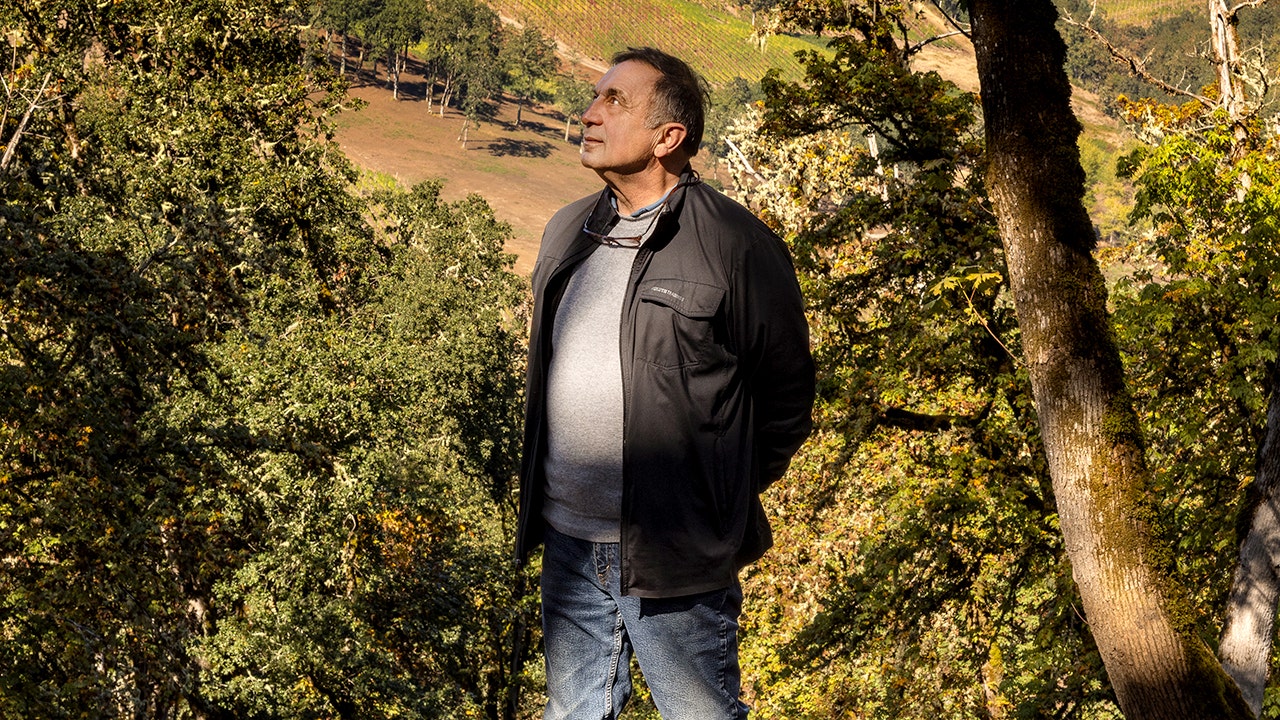
The article profiles Moe Momtazi, an Iranian-born winemaker who fled Iran in 1982 with his pregnant wife due to the oppressive conditions following the Islamic Revolution, which included a ban on alcohol. Settling in Oregon, Momtazi founded Maysara Winery, which has become one of the world’s top-ranked vineyards. The Momtazi family continues their Persian wine-making heritage in the U.S., expressing gratitude for the freedom and opportunity found there. They reflect on their desire for political change and increased freedom in Iran, including religious freedom, personal choice for women (such as not being forced to wear the hijab), and the hope that one day Iranians can enjoy the liberties that the family has found in America. The family emphasizes the cultural significance of wine in Persian history and their commitment to adding value and contributing positively wherever they are.
Biblical Reflection
From a Christian perspective, this story highlights both the plight and resilience of those who seek freedom from oppressive regimes. Scripture upholds the value of freedom—'where the Spirit of the Lord is, there is liberty' (2 Corinthians 3:17)—and also teaches us to be grateful for the freedoms we enjoy, using them to serve others and honor God. The Momtazi family’s journey reflects the biblical pattern of fleeing oppression (like the Exodus) and finding refuge in a new land. However, the biblical view of alcohol is nuanced: while wine is seen as a blessing in moderation (Psalm 104:14-15), drunkenness and addiction are warned against (Ephesians 5:18). The longing for religious and personal freedom expressed in the article resonates with the Christian call to advocate for justice and dignity for all, especially the oppressed (Isaiah 1:17). The family’s emphasis on gratitude, adding value, and remembering their roots aligns with scriptural virtues. Yet, the use of wine as a symbol and product must be considered carefully, ensuring it is not idolized or misused, but rather seen as part of a broader story of cultural heritage and responsible stewardship.
Scripture in context
This outlook does not yet include contextual Scripture citations. Do not treat a general biblical theme as an exegetical conclusion.
Faithful Response
No prescribed response is offered. Consider the reflection prompts below in your own church context.
Reflection and Discussion
- 1How can I use my own freedoms to serve others and advocate for those who are oppressed?
- 2In what ways am I grateful for the opportunities and liberties God has given me, and how do I express that gratitude?
- 3How do I balance the enjoyment of cultural traditions with the call to live responsibly and honor God in all things?
Sources
Reporting links are evidence inputs; Sanctuary News' biblical reflection is commentary.
This outlook currently relies on fewer than two linked sources. Broaden verification before teaching from it.
- 1.Original reportprimary