News Summary
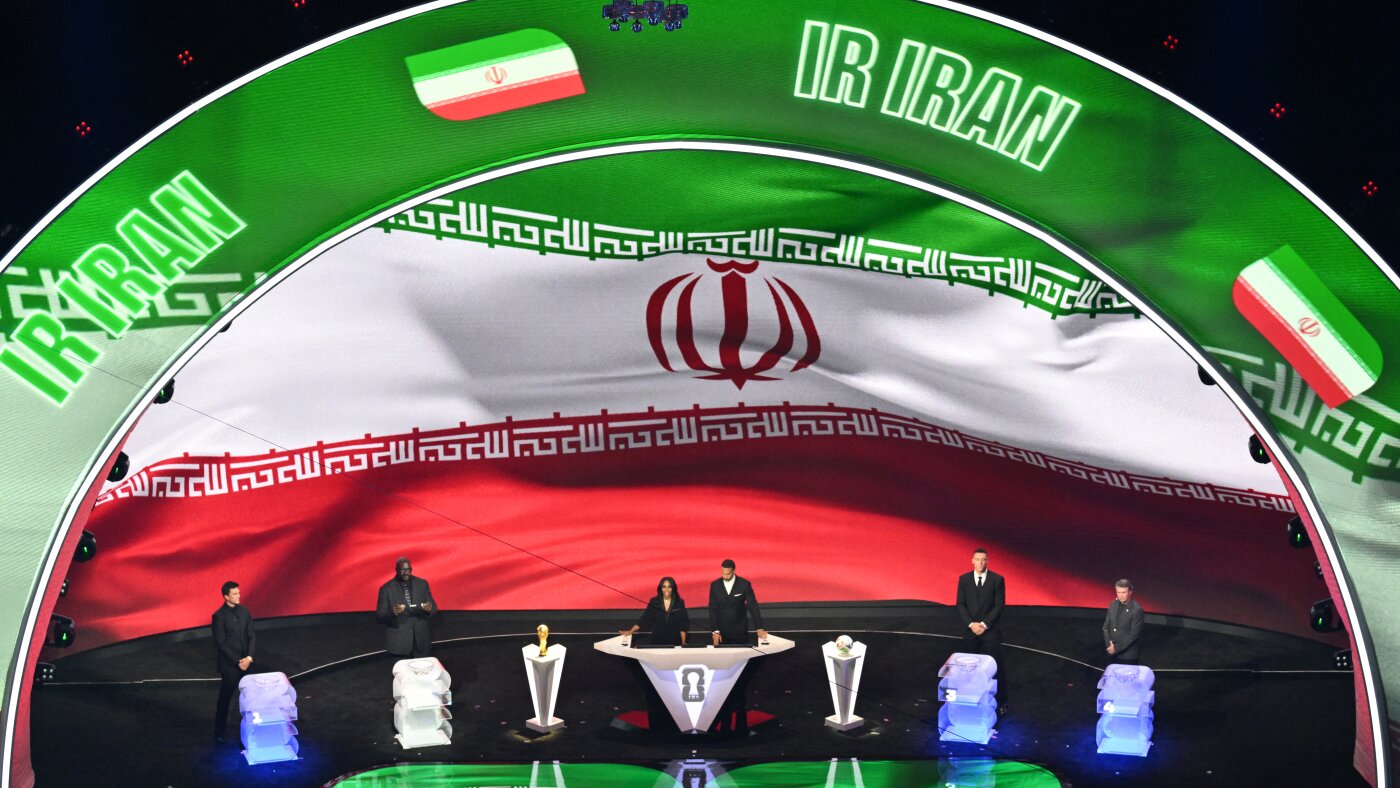
Iran's sports minister, Ahmad Donyamali, announced on state television that Iran cannot participate in the 2026 FIFA World Cup — co-hosted by the United States, Canada and Mexico — citing extreme insecurity after what he called U.S. and Israeli attacks that killed Iran's Supreme Leader and other officials. The minister said players would not be safe and conditions for participation do not exist. The World Cup runs June 11–July 19, 2026, and Iran's three group-stage matches were scheduled in Los Angeles and Seattle. It was unclear whether Iran had formally withdrawn; FIFA and Iran's federation had not responded at the time of the report. FIFA President Gianni Infantino, after meeting President Trump, reiterated that the Iranian team would be welcome. A last-minute withdrawal would be unprecedented in the modern era and could carry fines or bans under FIFA rules; FIFA could also replace Iran with another team from the Asian confederation.
Biblical Reflection
This story brings into sharp relief the biblical tension between the desire for peaceable fellowship and the reality of violent conflict. Scripture consistently calls God's people to mourn violence, seek justice, and value the protection of innocent life (e.g., Psalm 34:18; Isaiah 1:17). From that vantage, Iran's stated refusal to send players into what its leaders describe as an unsafe environment is understandable as an act of protecting human life — a legitimate moral concern. At the same time, Christians should be wary when national leaders use sporting platforms to amplify grievance or when politics renders athletes pawns of broader power struggles. The New Testament calls believers to pursue peace where possible (Romans 12:18) and to pray for rulers (1 Timothy 2:1–2), while also upholding truth and justice.
Viewed biblically, the ideal is not simple isolation or unconditional participation. Sports and international events can be opportunities for mutual recognition, reconciliation, and humanizing those across political divides — a limited arena where peacemaking can occur (Matthew 5:9). But when genuine threats to life exist, prudence and protection matter. Christians should therefore: mourn the victims of violence, oppose unjust killing and intimidation regardless of source, resist politicizing athletes for propaganda, and pray for safe pathways to reconciliation. We should also remember that loyalty to a nation is not ultimate; the kingdom ethic calls us to be agents of justice and mercy toward all, even amid political complexity. Finally, we must hold leaders to accountability while advocating for processes that protect people rather than punish athletes who may have no power over state actions.
Scripture in context
This outlook does not yet include contextual Scripture citations. Do not treat a general biblical theme as an exegetical conclusion.
Faithful Response
No prescribed response is offered. Consider the reflection prompts below in your own church context.
Reflection and Discussion
- 1When politics and violence make shared public events unsafe, how should my prayers and actions reflect both concern for safety and a desire for reconciliation?
- 2How can Christians support athletes and ordinary people who become collateral in geopolitical conflicts without condoning injustice from any side?
- 3In what practical ways can I be a peacemaker in conversations and decisions about national identity, security, and international conflict?
Sources
Reporting links are evidence inputs; Sanctuary News' biblical reflection is commentary.
This outlook currently relies on fewer than two linked sources. Broaden verification before teaching from it.
- 1.Original reportprimary