News Summary
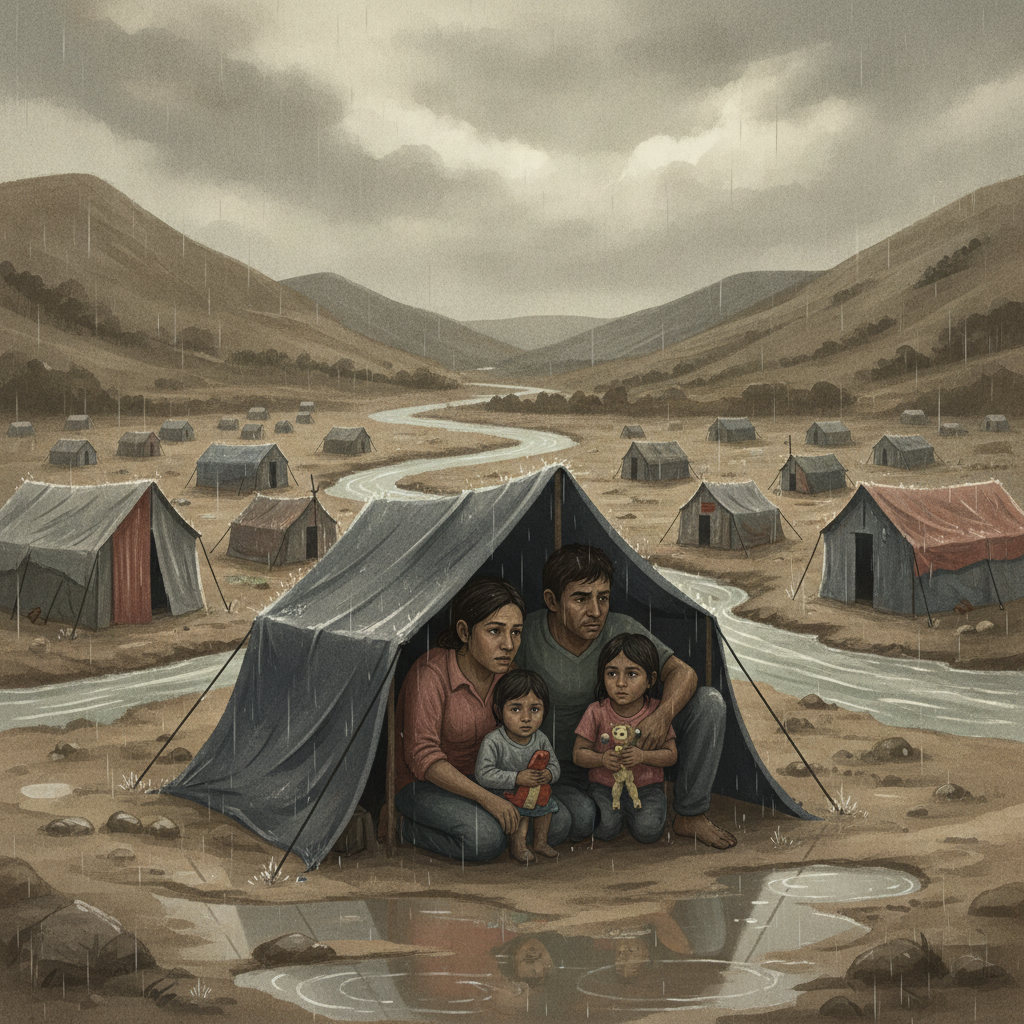
Reported facts: UN News cites an IOM statement that thousands remain displaced three weeks after earthquakes in Venezuela and that the possible formation of a strong El Niño could worsen conditions. Attributions: the information and warning are attributed to the International Organization for Migration and were reported by UN News. Uncertainties: the article does not provide precise displacement figures, locations, details of relief capacity, or scientific specifics about the likelihood, timing, or expected local impacts of El Niño.
Source and Framing Analysis
The story is a brief report of an IOM warning; it frames the situation as an urgent humanitarian risk but provides limited contextual detail. Material uncertainties that affect interpretation include (a) the absence of quantified displacement data, (b) no description of which regions within Venezuela are most at risk from El Niño-related weather, and (c) no independent meteorological detail on the probability or projected strength of El Niño. The framing emphasizes risk, which is appropriate for an early warning, but readers need follow-up reporting for operational clarity.
Biblical Reflection
The article centers a humanitarian alert: a displacement crisis caused by earthquakes with an added risk from a possible El Niño. The IOM’s warning is a precautionary appeal to attention and assistance for vulnerable families. From a Christian perspective, the story calls us to mercy, advocacy, and practical help for neighbors suffering compounded natural and climate-related harms. The report is short and raises legitimate alarm, but it lacks operational detail (numbers broken down by location, current aid capacity, and specific projected climate impacts), so Christians should respond with informed compassion rather than panic: pray, verify needs through trusted relief partners, and support coordinated relief that upholds human dignity.
Scripture in context
- 1Luke 10 (Good Samaritan) — Jesus tells a parable about a traveler beaten and left for dead; a Samaritan stops to help when others pass by, illustrating neighbor-love that crosses social boundaries. — The passage emphasizes practical compassion toward those who suffer and the moral responsibility to act, not merely to feel; in disasters, Christians are called to be the neighbor who aids those in distress regardless of background.
Faithful Response
Pray specifically for the displaced families, responders, and decision-makers coordinating relief.
Give to reputable humanitarian organizations working in Venezuela or regionally that have transparent operations and coordination with local authorities.
Stay informed from credible humanitarian and meteorological sources before mobilizing church resources so assistance matches real needs.
Offer nonpartisan advocacy urging authorities and aid agencies to prioritize protection, shelter, and medical access for displaced people.
Reflection and Discussion
- 1How does this report challenge our understanding of neighbor-love when natural and climate risks compound human suffering?
- 2Are we prepared to sustain care for displaced people beyond the immediate news cycle, and what structures can our church put in place to do so faithfully?
- 3How can we listen to experts and avoid impulsive responses while still offering timely compassion?
Sources
Reporting links are evidence inputs; Sanctuary News' biblical reflection is commentary.
This outlook currently relies on fewer than two linked sources. Broaden verification before teaching from it.
- 1.Venezuela: IOM warns of potential El Niño threat to families displaced by earthquakeofficial_document