News Summary
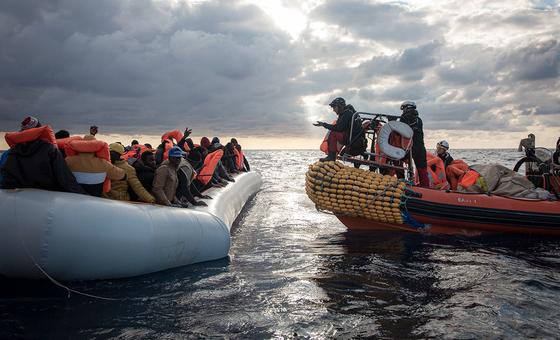
The International Organization for Migration (IOM), as summarized by UN News, reported a sharp rise in migrant deaths during the first four months of 2026. The IOM attributed the increase to multiple factors—severe weather, war, economic pressure, and shifting policies—that reshaped migration journeys across multiple regions. The brief UN News item does not include counts, percentage changes, regional breakdowns, demographic detail, or the IOM’s methodology, leaving the scale, geographic concentration, and the method of attribution unclear.
Source and Framing Analysis
The report in UN News attributes the central claim (a surge in migrant deaths in early 2026) to the IOM, which is an authoritative source for migration data. Framing is sober and multi-causal rather than sensational, which helps avoid simplistic explanations. However, the item omits crucial evidentiary detail: no absolute or relative death counts, no regional or route-level breakdown, no demographic data, and no methodological notes about how IOM identifies and counts migrant fatalities. Because the brief attributes causes to several broad drivers without specifying their relative contribution, readers can easily over- or under-estimate the role of any single factor. To evaluate the claim fully, readers should consult the full IOM release (not linked in the summary), request the underlying data and methodology, and seek additional reporting or local sources that document route-level impacts and humanitarian responses.
How sources covered this story
Sanctuary separately assesses reporting quality and alignment with Christian virtues. The virtues assessment considers truthfulness, dignity, compassion, justice, peacemaking, humility, and care for vulnerable people. It does not assess a publisher's faith or reward religious language.
Compare 1 reports
Reporting 75/100Virtues 80/100
- Distinctive contribution
- Explicit attribution to International Organization for Migration (IOM); specifies the timeframe (first four months of 2026) and lists multiple drivers (severe weather, war, economic pressure, shifting policies) that reshaped migration journeys and are linked to the surge in deaths.
- Framing
- Concise, factual, and attributive — the claim is presented as being based on new IOM data and framed as a multi-causal problem rather than sensationalized.
- Omissions or uncertainty
- No quantitative data (number of deaths, % change) provided; no geographic breakdown or examples of affected routes/regions; no methodological detail about how IOM counts deaths; no comparative baseline (previous periods) or direct quotes from IOM or affected people.
- Why these scores
- The excerpt responsibly attributes the claim to IOM, gives a clear timeframe and plausible causal factors, and avoids sensational language. It is brief and lacks important specifics (numbers, regional detail, methodology, direct attribution quotes), so while solid for a short news lead it is not comprehensive. The passage treats the issue with sobriety and respect, centers human consequences (a surge in deaths), and relies on a humanitarian/international source, which aligns with concern for vulnerable people and truthfulness. It does not dehumanize or exploit suffering. Points were withheld for lack of human-voice perspectives or explicit call to aid/justice in the supplied excerpt.
Biblical Reflection
A faithful Christian outlook names the human tragedy and the moral responsibilities that follow. Scripture calls the community of faith to protect strangers, comfort the grieving, and seek justice for the vulnerable; these obligations persist across borders and political divisions. Christians should respond with compassion and disciplined inquiry: mourn and pray for lives lost, support neutral humanitarian relief, and press for full transparency about causes and data so policy responses can be factual and humane. At the same time, avoid quick politicization of suffering; let mercy and truth shape public advocacy that privileges saving lives and upholding human dignity.
Scripture in context
- 1Leviticus 19:33-34 — Instruction in the holiness code to treat foreigners among the community with the same love and justice as native-born neighbors. — This passage challenges Christians to regard migrants as neighbors deserving protection, equitable treatment, and justice when they are in need.
- 2Matthew 25:35-40 — Jesus’ teaching that care for strangers, prisoners, and the hungry is presented as service to Christ himself; concrete acts of mercy are central to discipleship. — When migrants suffer or die, this teaching calls Christians to let mercy motivate practical action and advocacy on behalf of vulnerable people.
Faithful Response
Pray regularly for migrants, families of those who died, humanitarian workers, and leaders shaping migration and disaster policies.
Support reputable humanitarian organizations that provide search-and-rescue, medical care, shelter, and legal aid to migrants.
Request and review the full IOM report and its methodology before forming or promoting policy positions based on the summary alone.
Speak and write in ways that preserve the dignity of migrants—avoid dehumanizing language and sensationalism.
Engage locally with trauma-informed hospitality: partner with resettlement agencies, train volunteers, and collect targeted resources rather than ad hoc items.
Reflection and Discussion
- 1Which specific facts (death counts, regional distribution, demographic details, and methodology) are necessary to form a just and effective policy response, and where should the church demand more transparency?
- 2How can our congregation prioritize the dignity of migrants in public words and prayers while resisting partisan exploitation of suffering?
- 3What practical, sustainable steps can our community take to reduce life-threatening migration routes (supporting safe pathways, humanitarian aid, and advocacy for conflict resolution and climate resilience)?
Sources
Reporting links are evidence inputs; Sanctuary News' biblical reflection is commentary.
This outlook currently relies on fewer than two linked sources. Broaden verification before teaching from it.
- 1.Migrant deaths climb sharply in 2026, new UN data showsofficial_document