News Summary
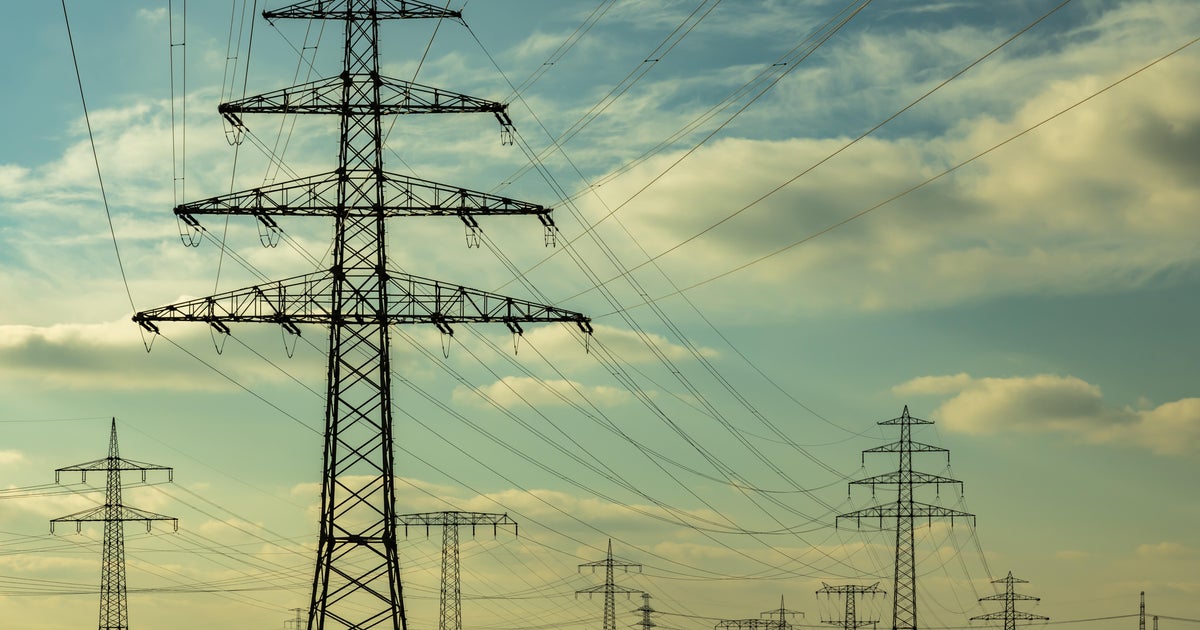
A PowerLines report analyzing capital-spending plans from 51 investor‑owned utilities that serve about 250 million customers finds those utilities plan roughly $1.4 trillion in capital expenditures over the next five years — an increase of more than 20% from 2025 projections. A majority of those utilities cited data centers as a top driver of planned spending as tech companies expand capacity for AI computing. Utilities also pointed to needs to strengthen the grid for severe weather and to replace aging infrastructure. The report and other data cited: U.S. data centers used over 4% of U.S. electricity in 2023 (MIT Energy Initiative) and could account for about 9% by 2030; state utility regulators must approve capital plans and rate recoveries; PowerLines warns planned investments could lead to higher consumer bills and estimates that residential customers could shoulder about half (~$0.7 trillion) of the projected spending unless regulators and other actors alter cost allocation. PowerLines also noted that new large customers like data centers can sometimes lower rates by increasing utility revenue and spreading fixed costs. Separately, PowerLines estimated that 56 million Americans faced higher utility bills from rate hikes approved in 2025, and EIA data projects average residential electricity prices rising about 5.1% this year.
Biblical Reflection
The article reports on industry projections and a nonprofit analysis without overt editorializing; its central factual claims rest on utility spending plans and energy‑use projections. From a Christian perspective several themes stand out. First, stewardship: massive energy demand for AI and data centers raises questions about responsible use of resources and long‑term care for creation (Psalm 24:1; Genesis 2:15). Second, justice for the vulnerable: if costs are shifted to residential customers, lower‑income households will be disproportionately affected, and Scripture repeatedly calls for protecting the poor and ensuring fairness in economic arrangements (e.g., Proverbs and Isaiah). Third, the role of institutions: utilities, regulators, and large corporate consumers each bear responsibility — transparency, prudent planning, and accountable regulation matter for preventing unjust burdens on households. The article is mostly even‑handed but leans on projections and the framing from a nonprofit that focuses on consumer impacts; it does not deeply probe alternatives (accelerated renewables, demand‑response, publicly financed grid upgrades, or different rate structures) that could change outcomes. The piece should prompt Christians to think beyond slogans about “progress” or “innovation” and to ask whether tech expansion is being pursued at the expense of neighborly care, environmental stewardship, and equitable policy. It also invites constructive civic engagement: advocating for effective regulatory oversight, fair cost allocation, energy efficiency, and investment in cleaner, resilient generation and transmission that protect both the common good and the vulnerable.
Scripture in context
This outlook does not yet include contextual Scripture citations. Do not treat a general biblical theme as an exegetical conclusion.
Faithful Response
No prescribed response is offered. Consider the reflection prompts below in your own church context.
Reflection and Discussion
- 1Whose costs and benefits are highlighted or hidden by the article’s focus on utility spending plans and corporate demand? Who is most likely to bear the burden?
- 2How might the priorities of rapid technological expansion (AI/data centers) conflict with biblical calls to stewardship and care for the poor, and what institutional choices could align innovation with justice?
- 3What assumptions about inevitability (rate increases, energy use growth) are built into the projections, and where is there room for policy, regulation, or community action to change the outcome?
Sources
Reporting links are evidence inputs; Sanctuary News' biblical reflection is commentary.
This outlook currently relies on fewer than two linked sources. Broaden verification before teaching from it.
- 1.Original reportprimary