News Summary
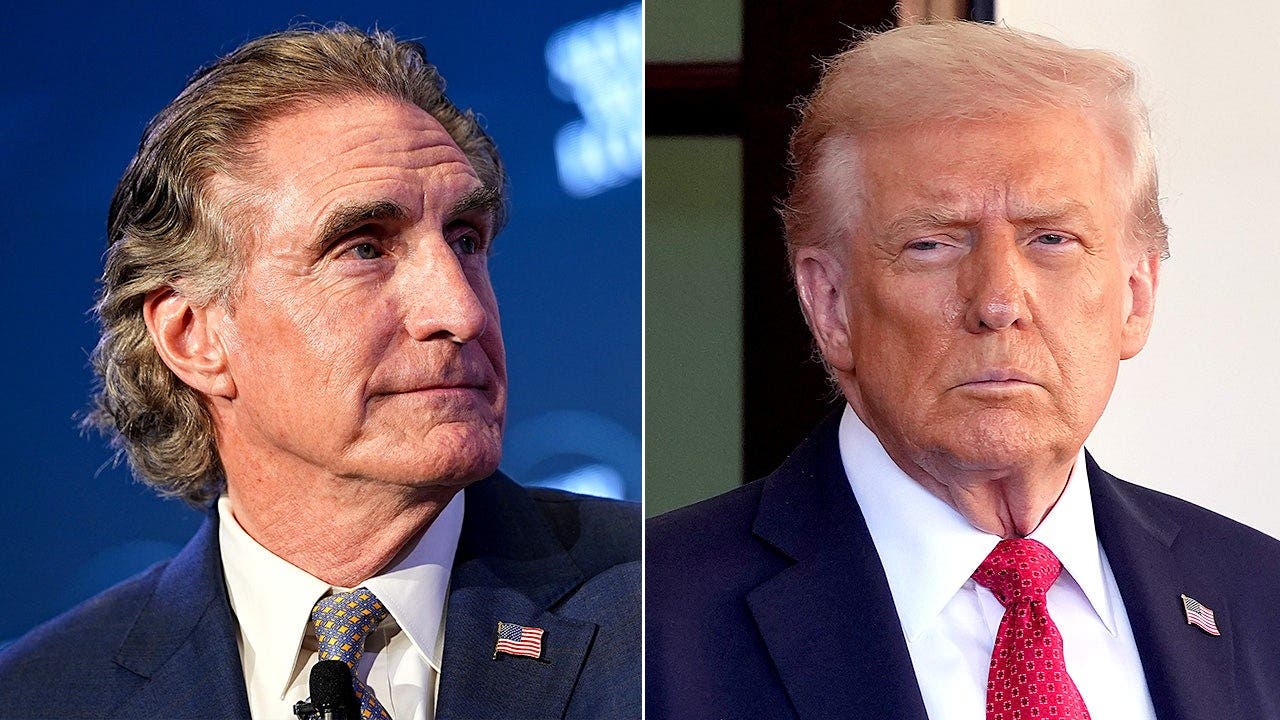
Interior Secretary Doug Burgum, speaking at the Great American State Fair, defended the Trump administration’s renovation and cleanup efforts in Washington, D.C., saying they demonstrate active resistance to national decline. The article lists specific DOI-reported achievements ahead of the U.S. 250th Independence Day: 510 instances of graffiti removed; 154 homeless encampments cleared; 212 tons of repair materials applied to roads and parkways; 280,000 square feet of roadway paving restored; 1,301 benches rehabilitated; 1,913 lights fixed; and dozens of monuments, statues and fountains cleaned or restored. It notes Trump’s social-media claim that his administration has cleaned or renovated over 45 monuments and memorials, 28 statues and 22 fountains, and cites spending figures including $14.7 million for restoring the Lincoln Memorial reflecting pool, $250 million allocated to restore the Kennedy Center, and more than $400 million projected for a White House ballroom. The article references vandalism at the Lincoln Memorial reflecting pool on June 22, the planned July 4 opening of the Teddy Roosevelt Presidential Library, and mentions critics questioning the costs and funding sources for some projects. Burgum’s remarks framed the work as evidence that the administration is reversing neglect by taking visible action.
Biblical Reflection
From a Christian perspective, public restoration and good stewardship of shared spaces are positive aims: caring for the common good, maintaining beauty, and ensuring safety reflect neighbor-love. The article, however, primarily advances a political argument — showcasing visible successes as proof of broader national renewal — and treats contested matters (costs, funding transparency, and the human impact of encampment removals) as background rather than central questions. That framing reveals a worldview that prizes order, image, and decisive action; it risks sidelining mercy and long-term justice if 'clean up' means displacing vulnerable people without durable care plans. Truth-seeking Christians should welcome improvements that genuinely protect and serve communities, while insisting on honest accounting, compassionate alternatives for people experiencing homelessness, and attention to root causes (poverty, mental health, addiction). Evaluate claims about safety and cost with data and independent oversight rather than slogans, and hold leaders to standards of stewardship that include both physical upkeep and the flourishing of all neighbors.
Scripture in context
This outlook does not yet include contextual Scripture citations. Do not treat a general biblical theme as an exegetical conclusion.
Faithful Response
No prescribed response is offered. Consider the reflection prompts below in your own church context.
Reflection and Discussion
- 1Do the visible benefits of restoration (clean streets, repaired monuments) come paired with plans that help the people affected most, or mostly improve appearances?
- 2Who pays and who benefits from these projects, and are there transparent accountability measures to verify claims about costs and safety?
- 3Does the language of 'decline by choice' encourage responsible action, or does it oversimplify complex social problems that require both justice and mercy?
Sources
Reporting links are evidence inputs; Sanctuary News' biblical reflection is commentary.
This outlook currently relies on fewer than two linked sources. Broaden verification before teaching from it.
- 1.Original reportprimary