News Summary
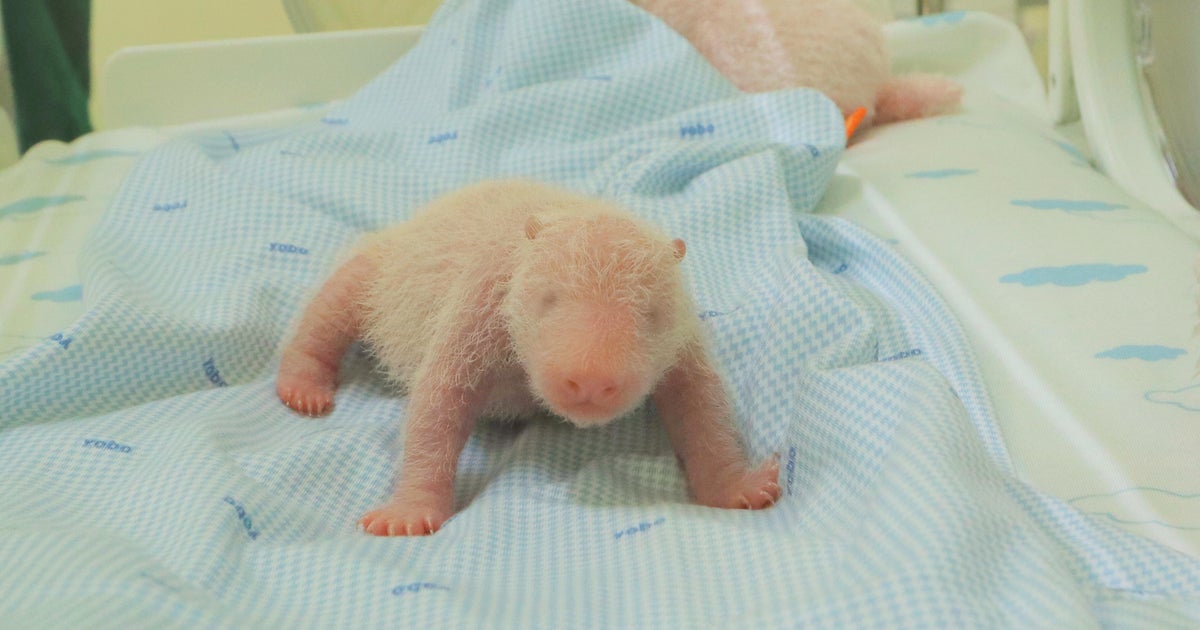
Taman Safari Indonesia, a zoo on Java island, has announced and shared photos of the country's first locally born giant panda cub, a male named Satrio Wiratama (nicknamed Rio). The cub was born to 15-year-old Hu Chun on November 27, as part of a decade-long international conservation partnership with China that began with the arrival of two pandas in 2017. This birth is the result of ongoing efforts to protect endangered species, symbolizing hope and international cooperation. The cub is being closely monitored and is in good health, though not yet available for public viewing. Indonesian President Prabowo Subianto revealed the cub's name during a meeting with a top Chinese official, highlighting the diplomatic, scientific, and ecological significance of the event. Giant pandas, native to China, have struggled with population decline but have seen improvement due to global conservation efforts. There are still fewer than 1,900 pandas in the wild, making each successful birth significant.
Biblical Reflection
From a biblical perspective, the story of Indonesia's first locally born panda cub highlights humanity's God-given responsibility to steward creation. Genesis 1:28 entrusts humans with the care and dominion over animals, and the collaborative conservation efforts between Indonesia and China reflect this mandate. The birth of the panda cub is a hopeful sign that, when nations and communities work together, it is possible to protect and restore vulnerable parts of God's creation. The celebration of new life, the careful attention to the health and well-being of the animals, and the call for public prayer all echo scriptural values of stewardship, gratitude, and interdependence. However, it is important to remember that ultimate hope and healing for creation are found not only in human effort but in acknowledging the Creator. As we rejoice in this birth, we are reminded to treat all living beings with respect and to see conservation not merely as science or diplomacy, but as an act of worship and obedience to God.
Scripture in context
This outlook does not yet include contextual Scripture citations. Do not treat a general biblical theme as an exegetical conclusion.
Faithful Response
No prescribed response is offered. Consider the reflection prompts below in your own church context.
Reflection and Discussion
- 1In what ways am I actively caring for God's creation in my daily life?
- 2How can international cooperation and shared responsibility reflect biblical values of stewardship and community?
- 3What does the birth of a vulnerable creature teach me about hope, resilience, and the value of all life in God's eyes?
Sources
Reporting links are evidence inputs; Sanctuary News' biblical reflection is commentary.
This outlook currently relies on fewer than two linked sources. Broaden verification before teaching from it.
- 1.Original reportprimary