News Summary
Indonesia now supplies more than half of the world's nickel. Production expanded rapidly over the past decade, concentrated largely in Sulawesi, where the number of active nickel-mining licenses rose from one in 2005 to a peak of 408 in 2022. Much Indonesian nickel is used for stainless steel; a growing share is processed into materials for batteries. The industry depends heavily on foreign investment, especially Chinese companies that dominate refining capacity; the U.S. has pursued trade access to Indonesian nickel.
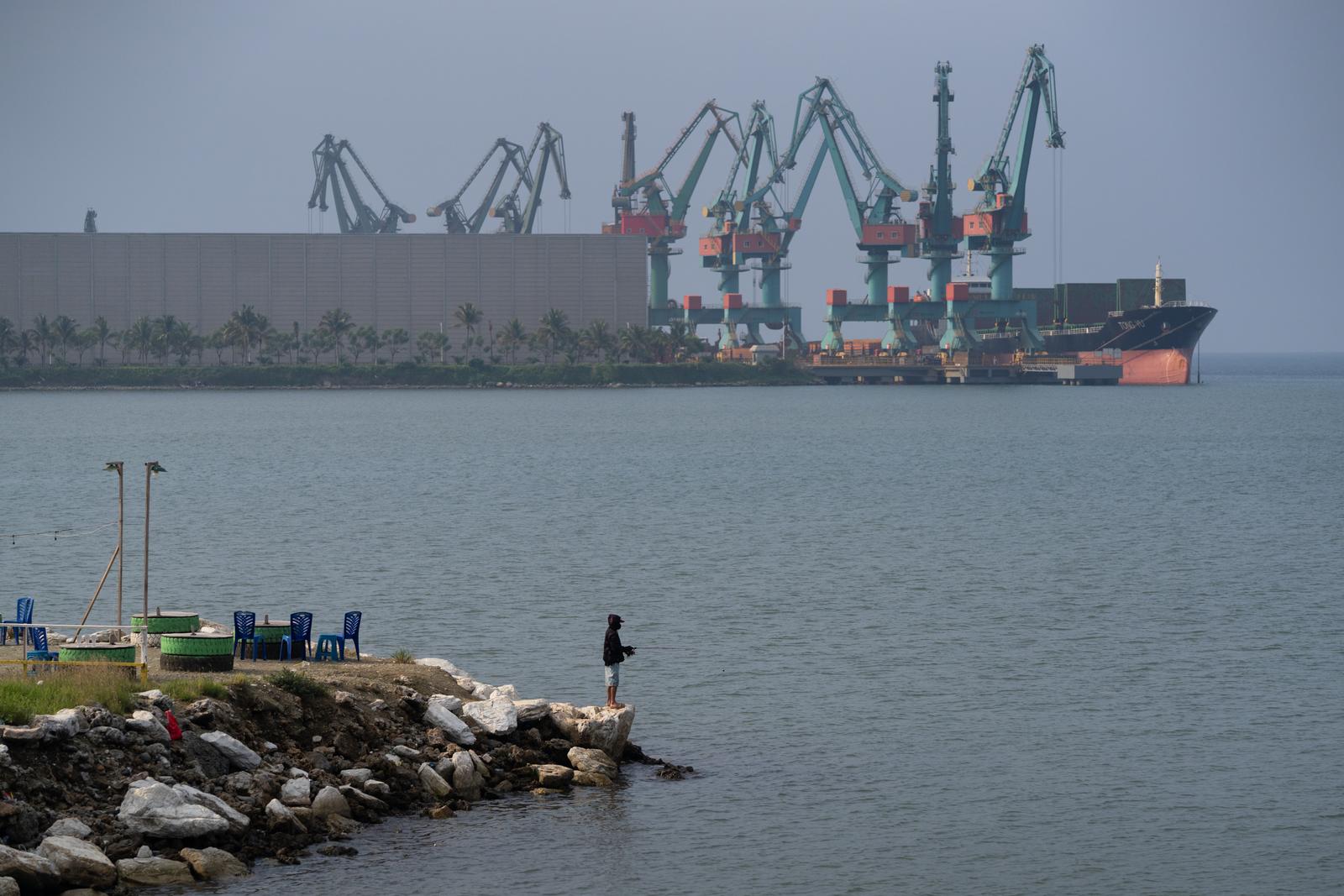
Mining on Sulawesi is mostly open‑pit extraction of lateritic ores, followed by transport to industrial parks for processing and smelting. Smelters are powered mainly by coal, and processing produces tailings and slag that can pollute land and water if not managed. Local reporting across six Sulawesi locations documents a range of local effects: clearer waters and traditional livelihoods remain in some remote spots, but near many mines villagers report murkier water, coral sedimentation, declines in giant clam populations, and reduced local fish catches. Some communities receive jobs, utility support and payments from companies; others report land cleared without fair compensation, loss of crops and aquaculture, and mounting economic strain.
Air pollution from smelters and coal-fired power plants is linked in local health data and clinic/hospital reports to rising respiratory illnesses in areas such as Bahodopi. Worker safety concerns and a history of workplace accidents and fatalities are noted in the industry. There have been protests, lawsuits, arrests of protesters, and at least one mine (Gema Kreasi Perdana) closed after legal action; villagers cite intimidation and insufficient local governmental response. Companies and some investors dispute or assert compliance with laws; some corporate responses to reporting were limited or noncommittal. Data cited include government licensing records and local public-health and NGO reports.
Biblical Reflection
Scripturally-informed priorities are visible in this story: stewardship of creation, care for neighbors, and justice for the vulnerable are all implicated. The article documents real harms—ecosystem damage, declining fisheries, respiratory illnesses, disputed land takings, and workplace deaths—alongside real benefits such as jobs and infrastructure. A balanced reading recognizes both realities: economic opportunity and national strategic interests are driving rapid development, but the cost is unevenly distributed and often borne by poorer, indigenous and coastal communities.
The article centers local testimony and NGO data, which is appropriate for portraying lived harms, but readers should note limits: corporate and government perspectives are summarized but not always present in depth; regulatory complexity and economic tradeoffs are not explored fully. There is an implicit tension between two worldviews: one that treats natural resources primarily as drivers of growth and national development, and another that emphasizes creation-care, community rights, and long-term sustainability. Biblical truth calls Christians to resist idolizing growth or profit at the expense of God’s creation and human neighbors (Genesis 2:15; Micah 6:8). It also calls for honest accountability: companies and governments must be held to standards that protect health, livelihoods, and ecosystems. Christians should therefore be wary of simplistic binaries (all mining is evil vs. all development is good) and instead press for transparency, justice, and practices that genuinely balance human flourishing with responsible stewardship.
Scripture in context
This outlook does not yet include contextual Scripture citations. Do not treat a general biblical theme as an exegetical conclusion.
Faithful Response
No prescribed response is offered. Consider the reflection prompts below in your own church context.
Reflection and Discussion
- 1Whose voices are centered in reporting and decision-making here—local communities, industry, the state, or outside investors—and how does that shape what is presented as acceptable tradeoffs?
- 2What idols of progress, profit, or national prestige might be driving policies that override local stewardship and justice, and how should Christians evaluate those priorities?
- 3What forms of accountability and remediation would align economic development with biblical commitments to care for creation and protect the vulnerable?
Sources
Reporting links are evidence inputs; Sanctuary News' biblical reflection is commentary.
This outlook currently relies on fewer than two linked sources. Broaden verification before teaching from it.
- 1.Original reportprimary