News Summary
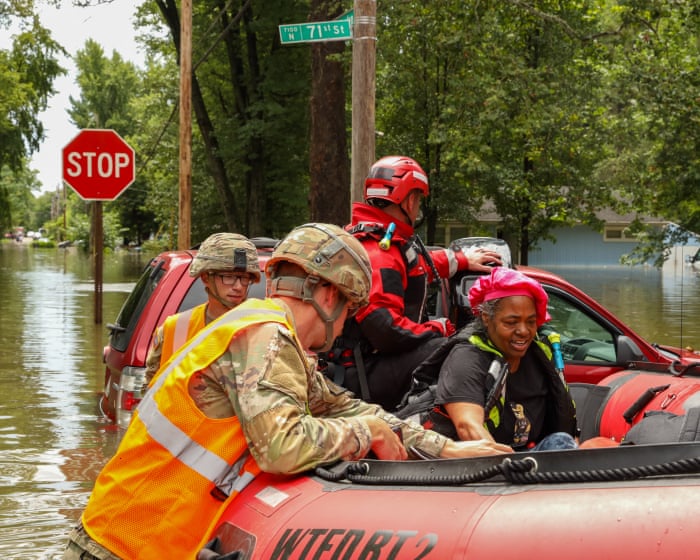
Mid‑August storms produced severe flooding across Indiana, with officials reporting multiple deaths, extensive rescue operations, and heavy rainfall. The National Weather Service was cited (in reporting) as recording more than 11 inches of rain in some locations over a two‑day period. First responders used boats to rescue residents from rising waters in neighborhoods along the White River in Indianapolis, and city and state officials (including Mayor Joe Hogsett, as reported) urged people in at‑risk areas to heed evacuation warnings. Early reports gave a provisional death toll of "at least five," and subsequent reporting from other outlets cited an updated official figure of "at least six"; casualty figures remain provisional pending final confirmation from local authorities. Key operational details—numbers displaced, shelter locations, infrastructure damage, and the precise circumstances of each fatality—remain unconfirmed in the available reporting.
Source and Framing Analysis
The cluster is built from contemporaneous news reports that rely heavily on official sources (state and city officials, a state homeland security spokesperson, and the National Weather Service). Strengths: reporting supplies a concrete rainfall figure attributed to the National Weather Service (>11 inches over two days), describes active rescue operations (boat rescues along the White River in Indianapolis), and records public‑safety exhortations from named officials. Limitations and framing cautions: casualty totals are provisional and have varied between early and later reports ("at least five" in earlier coverage; "at least six" in later coverage), so the final death toll is unresolved. The claim that this is the "worst flooding in the state in more than 30 years" appears in a single report attributed to officials and has not been independently verified in the available material. Coverage so far emphasizes immediate human impact and public safety rather than long‑term causes, damage assessments, or demographic details of those most affected. For reliable situational or response decisions, seek official briefings from county coroners, city and county emergency management, National Weather Service flood products, and verified lists of shelters and relief partners before mobilizing volunteers or large donations.
How sources covered this story
Sanctuary separately assesses reporting quality and alignment with Christian virtues. The virtues assessment considers truthfulness, dignity, compassion, justice, peacemaking, humility, and care for vulnerable people. It does not assess a publisher's faith or reward religious language.
Compare 3 reports
Reporting 80/100Virtues 82/100
- Distinctive contribution
- Reports an increased death toll (at least six) and names the victim breakdown and the official source (state homeland security department spokesperson Liz Woods).
- Framing
- Straightforward factual reporting focused on deaths and flood impacts; emphasizes official attribution and timing (storms began on 11 August) and that rains were expected to ease.
- Omissions or uncertainty
- Does not specify circumstances of each death, exact locations of fatalities beyond Indianapolis/White River area, numbers of displaced people or injuries, broader damage estimates, or rescue/relief operations details.
- Why these scores
- Clear, concise update with explicit attribution to a named official and specific victim breakdown. Appropriate caution in phrasing ("at least six"). The piece is brief and lacks deeper context (damage estimates, rescue details), but accomplishes a timely update responsibly. Respectful, factual language that avoids sensationalism; names victims by age/gender rather than sensational detail; attributes to officials. The report signals concern (not exploitative) and supports public safety by noting easing rains — overall aligns with truthfulness and care for vulnerable people.
Rank 2
PBS NewsHour: At least 6 people have died from days of storms and record-setting flooding in IndianaReporting 76/100Virtues 78/100
- Distinctive contribution
- Independent confirmation of the same victim count and breakdown, strengthening confidence in the reported fatalities.
- Framing
- Concise, factual summary emphasizing the human toll; neutral tone without sensational detail.
- Omissions or uncertainty
- Excerpt is very short — lacks source attribution in the supplied text (no named official), location details, context about flooding extent, causes of deaths, rescue efforts, or casualty locations.
- Why these scores
- Reliable, concise corroboration of the casualty count appropriate for a news brief. The supplied excerpt lacks named attribution and broader context, which lowers the score slightly despite PBS's typical reporting standards. Neutral and non-exploitative presentation of victims; succinct and factual. The short excerpt prevents assessment of any broader compassionate framing or resource-signposting, but the tone aligns with respect and truthfulness.
Reporting 74/100Virtues 76/100
- Distinctive contribution
- Provides rainfall totals (more than 11 inches in some areas over two days), context that floods were described as the worst in over 30 years, and mention that officials (including the mayor) urged residents to heed evacuation warnings; documents rescue boat use along the White River.
- Framing
- Contextual reporting that emphasizes severity (worst in over 30 years), immediate rescue operations, and official warnings — presents the event as urgent and dangerous.
- Omissions or uncertainty
- Death details are fewer (count of five) likely reflecting an earlier update; excerpt doesn't give specifics about victims, precise locations of all impacts, total evacuees, economic damage, or longer-term response plans.
- Why these scores
- Provides useful context (rainfall totals, historical comparison, official warnings) and accounts of rescue efforts. The piece is an earlier, briefer update with limited victim detail and no comprehensive synthesis, but overall responsible and well-sourced in the supplied excerpt. Reporting stresses public safety and official evacuation appeals, and notes rescue activities — reflecting concern for protection of vulnerable people. Language is factual and non-sensational; lack of victim detail slightly limits the appearance of compassion but does not indicate dehumanization.
Biblical Reflection
A Christian response centers lament and tangible mercy together. We grieve with those who grieve, pray for rescuers and leaders, and commit to disciplined, verified service that protects human dignity. Theologically, disasters expose human vulnerability and communal obligations: resist simplistic answers for suffering, hold together truth and compassion, and pursue justice by advocating for preparedness and protections for communities repeatedly exposed to environmental harm. Practically, pair prayer with measured action—confirm needs through official channels or trusted relief organizations, prioritize safety and trauma‑informed care, and plan for long‑term accompaniment beyond immediate relief.
Scripture in context
- 1Psalm 46 (general reference) — A psalm that portrays God as refuge and strength in times of upheaval; useful for communal consolation and steadying trust amid fear. — Use this passage to help worshipers name fear honestly and to steady communal resolve to act—supporting rescuers, organizing calm relief work, and comforting those who are terrified or mourning without minimizing loss.
- 2Romans 12:15 (general reference) — An apostolic exhortation to share the emotional life of the community—entering others' sorrow and joy rather than remaining detached. — Shape pastoral care around entering neighbors’ suffering: offer presence and practical aid, accompany bereaved families, and organize congregation efforts that bear concrete burdens rather than performative gestures.
Faithful Response
Pray specifically and persistently for victims, their families, first responders, and local leaders; maintain channels for updated intercession as verified needs change.
Before organizing volunteers or in‑kind donations, confirm needs through official local emergency management, city/county shelter lists, or established relief organizations operating on the ground.
Prefer financial gifts to vetted disaster‑response partners who can convert funds into tailored local assistance rather than sending unsolicited goods that may burden logistics.
Coordinate any volunteer labor with authorities or accredited NGOs; ensure volunteers receive safety and trauma‑awareness training (water hazards, infection control, psychological first aid).
Offer trauma‑informed pastoral care: create spaces for lament, provide practical supports (meals, childcare, temporary housing) where needs are verified, and protect privacy and dignity of survivors.
Advocate for long‑term measures that reduce future harm—improved floodplain planning, resilient infrastructure, equitable housing policy, and warning/evacuation systems that protect vulnerable neighborhoods.
Reflection and Discussion
- 1How can our congregation respond in ways that combine honest lament with sustained, dignified help rather than short‑lived gestures?
- 2Who are our trusted local partners (emergency managers, shelters, relief organizations) and how can we formalize relationships so our help is safe and effective?
- 3Which neighbors in our region are most vulnerable to flooding and what advocacy or preparedness work can we commit to that promotes long‑term protection and justice?
Sources
Reporting links are evidence inputs; Sanctuary News' biblical reflection is commentary.
This outlook currently relies on fewer than two linked sources. Broaden verification before teaching from it.
- 1.At least five people dead in Indiana amid worst flooding in over 30 years, officials sayprimary_reporting