News Summary
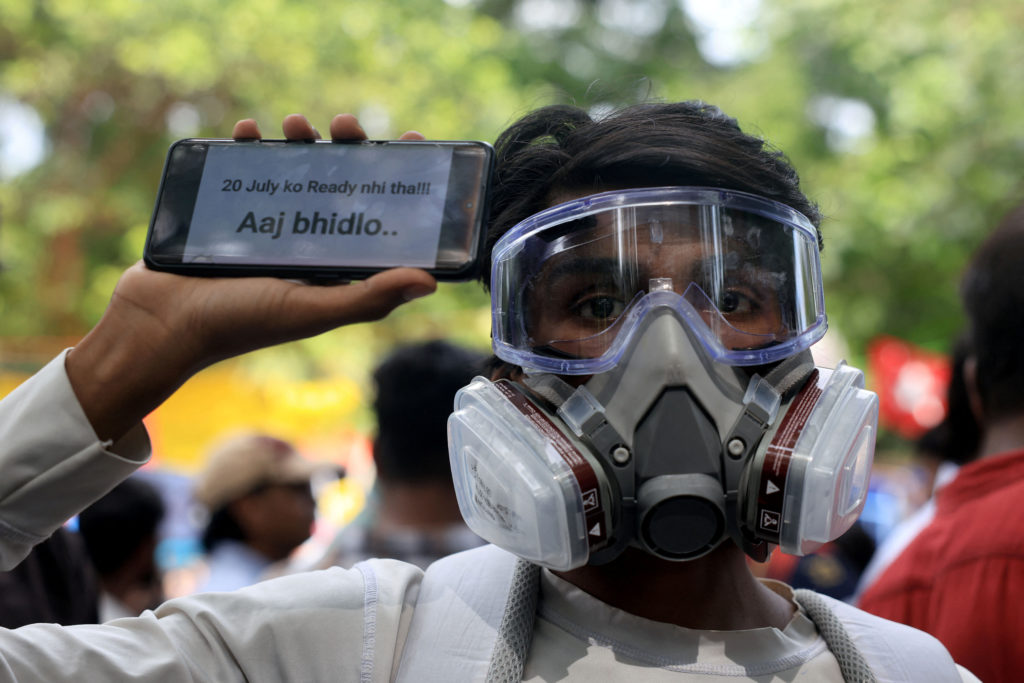
Reported facts: The article states that protests in India started as outrage over leaked national entrance exams and have expanded into a youth-led movement associated with Gen Z. Attributed claims: The piece describes the movement as 'one of India's biggest youth-led protest movements in years' (attributed to the report). Uncertainty: The article does not provide detailed data on protest size, locations, casualties, government response, or the specific nature and verification of the alleged exam leaks.
Source and Framing Analysis
Material uncertainties include the scale and geographic spread of the protests, the specifics of the leaked exams (which exams, how leaks occurred), and the government's reaction. The article's title uses the term 'cockroach' (in quotes), which may be a reclaimed label used by protesters or a framing device; that kind of label shapes readers' impressions but is not explained in the supplied text. Only one source is provided here, limiting corroboration and detail.
Biblical Reflection
This story centers on young people responding to perceived institutional corruption that affects education and life chances. Scripture repeatedly calls God's people to pursue justice for the vulnerable and to hold wrongdoers accountable, while also commanding believers to practice mercy, humility, and peace. From that standpoint, the anger of students whose legitimate futures are at stake deserves attention and moral seriousness: exposing and correcting corruption in selection systems is an act of justice. At the same time, Christian ethics ask us to resist dehumanizing language, to avoid celebrating disorder, and to prefer methods that protect the vulnerable and seek long-term reform.
The underlying worldview in the report is one of civic accountability: young people believe institutions failed them and are asserting their voice. Christians should evaluate such movements by three measures — truth (are the allegations verified?), justice (are remedies fair and comprehensive?), and peace (are responses proportionate and protective of human dignity). Because the supplied reporting is limited, prudence is required: pray for clarity, seek verified information, and advocate for reforms that restore trust while calling for nonviolent and lawful protest practices that safeguard life and the common good.
Practically, Christian neighbors can support students' legitimate claims for fairness without endorsing every tactic used in public demonstrations. We should welcome transparency, legal due process, and reforms in education administration, while urging protesters and officials alike toward reconciliation, accountability, and policies that prevent future harm.
Scripture in context
- 1Amos 5:24 — Amos, a prophetic book set in the 8th century BCE, calls Israel to repentance and social justice, criticizing religious ritual when unaccompanied by just treatment of the poor and oppressed. — The prophetic demand that justice be enacted reminds Christians that exposing institutional injustice and seeking systemic correction is an important moral task, especially when the livelihoods and futures of young people are at stake.
- 2Romans 12:17-21 — Paul's letter to the Romans instructs Christians how to live in relationship with others in a plural society, urging believers not to repay evil with evil and to pursue peace and reconciliation where possible. — These instructions counsel restraint and a preference for nonviolent, peaceable means even when responding to legitimate grievance, shaping a Christian posture toward protest and reform that seeks restorative outcomes.
Faithful Response
Pray regularly for students, educators, and officials involved; ask God for truth and protection.
Seek verified information before forming judgments; encourage transparency and independent investigation into the alleged exam leaks.
Support peaceful, legal avenues for redress (legal aid, petitions, advocacy groups) that protect students' futures and safety.
Listen to young people in your community; offer pastoral care and practical help (mentoring, counseling, study support) to those affected.
Reflection and Discussion
- 1When institutions fail those with the least power, how does faithful pursuit of justice look different from anger that harms the vulnerable?
- 2How should Christians balance supporting legitimate civic protest with calling for truthful, nonviolent means and respect for human dignity?
Sources
Reporting links are evidence inputs; Sanctuary News' biblical reflection is commentary.
This outlook currently relies on fewer than two linked sources. Broaden verification before teaching from it.
- 1.WATCH: What to know about India's youth-led Gen Z 'cockroach' protestsprimary_reporting