News Summary
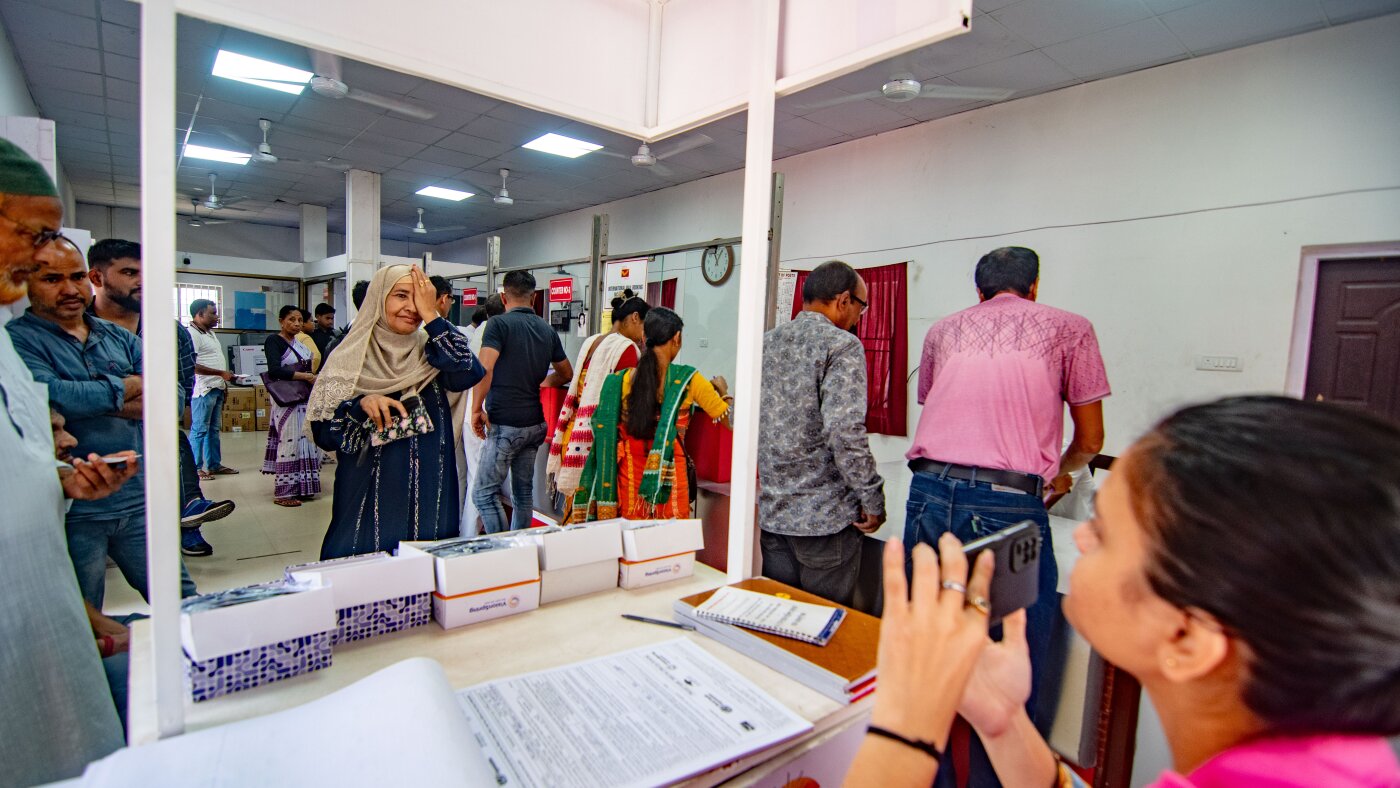
Worldwide, more than 800 million people have presbyopia (age-related difficulty with close-up vision), and in many lower-income countries fewer than one in four people who need glasses have them. A pilot program in Assam State, India, run by VisionSpring in partnership with the World Health Organization and the Universal Postal Union, used several India Post offices to offer free vision screening and reading glasses. Between December 2025 and May 2026 the pilot screened more than 5,000 people in five post offices; VisionSpring reports about 80% of those who received glasses were first-time wearers. At the Rangiya post office a trained volunteer operated a kiosk offering short vision tests and free reading glasses; one postmaster reported over 1,000 people received tests at his office during the pilot. The model sought to leverage the wide reach of postal networks (UPU estimates ~680,000 post offices worldwide; India Post has over 150,000 offices) to reach remote and underserved populations. Organizers hired and trained outsiders to run screenings to avoid adding postal workers’ workload. The pilot is due to conclude in September 2026, after which VisionSpring will review data and funding to decide on continuation or expansion; WHO and UPU have expressed interest in the model globally. The article also notes research showing reading glasses can increase productivity for work requiring close vision (a Lancet Global Health study reported ~22% productivity gain for tea pickers). The piece references other countries (France, Japan, parts of the U.S.) where postal workers already play roles in social welfare checks or community support.
Biblical Reflection
This initiative reflects practical compassion: it meets a clear, measurable physical need by bringing low-cost care into everyday community spaces. The reported results—high first-time uptake and productivity gains—fit a narrative of restoring dignity and enabling people to work and participate more fully in family and religious life. At the same time, the article leans toward an optimistic, program-positive frame and does not deeply examine long-term sustainability, funding sources, quality control, data privacy, or community consent and ownership. From a Christian pastoral perspective, the project exemplifies mercy and neighbor-love when implemented with humility, local partnership, and respect for recipients’ dignity. Wise stewardship and accountability will be required if postal networks are repurposed for health services: these efforts should protect vulnerable people from paternalism or unintended harms, ensure screening and follow-up are clinically appropriate, and preserve the core public purpose of postal services. Overall, the reported pilot aligns with Christian commitments to serve the poor and restore practical capability, provided expansion is pursued with transparency, local input, and concern for long-term care structures.
Scripture in context
This outlook does not yet include contextual Scripture citations. Do not treat a general biblical theme as an exegetical conclusion.
Faithful Response
No prescribed response is offered. Consider the reflection prompts below in your own church context.
Reflection and Discussion
- 1Who in the community is shaping and sustaining this program, and how are recipients’ dignity and consent being respected?
- 2Does repurposing public infrastructure for health services strengthen neighbor-care sustainably, or risk creating dependency or mission creep without long-term funding and oversight?
- 3What safeguards are in place for clinical quality, follow-up care, and protection of personal data as these services scale?
Sources
Reporting links are evidence inputs; Sanctuary News' biblical reflection is commentary.
This outlook currently relies on fewer than two linked sources. Broaden verification before teaching from it.
- 1.Original reportprimary