News Summary
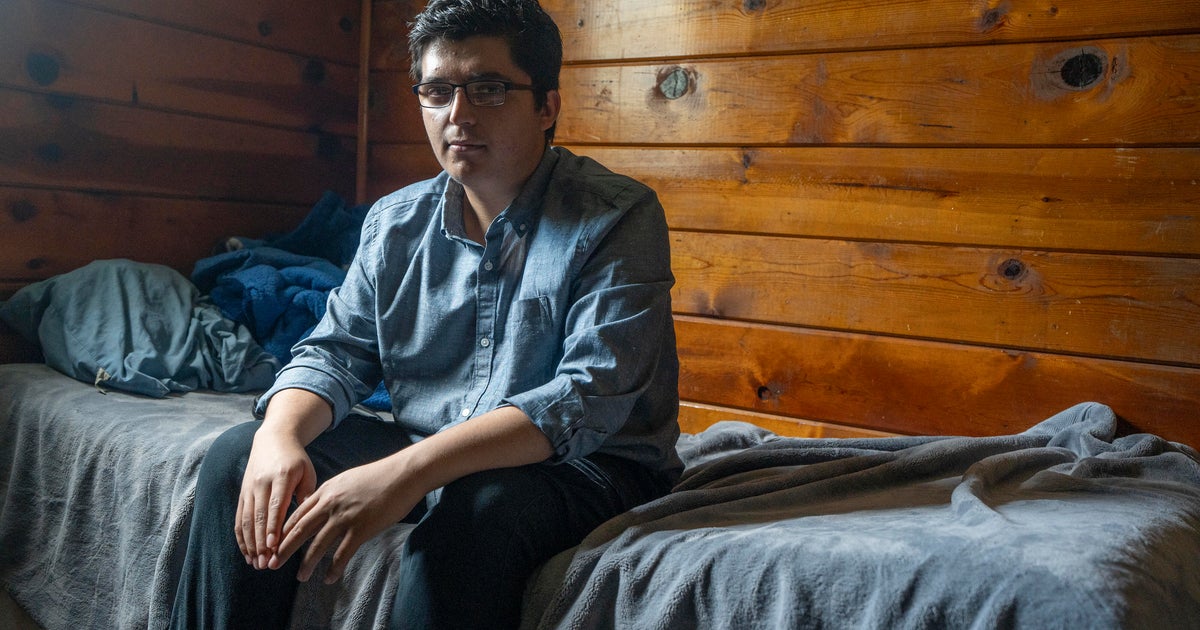
The article reports that hundreds of thousands of children — including an estimated 145,000 U.S. citizen children — have likely had at least one parent detained since President Trump returned to office, with over 200,000 children affected overall, and about one-third under age six. It describes multiple family cases in Los Angeles: a 15-year-old boy whose single father was deported after an ICE check-in, a 9-year-old whose mother was detained while the family waited, and other children who regressed developmentally or experienced severe anxiety after a parent’s detention. The piece cites research linking parental separation and childhood trauma to long-term mental and physical health problems, and quotes clinicians and community leaders describing increased depression, anxiety, PTSD-like symptoms, regression, and school problems among affected children. The Department of Homeland Security told reporters that ICE does not separate families and that parents are asked about care arrangements, while nonprofit reports say detainees often are not asked about children or given choices and that ICE does not always ensure children’s safety. The article notes the Adelanto ICE Processing Center’s large detainee population and cites a Brookings analysis and reported increases in federal immigration enforcement funding that could expand detentions.
Biblical Reflection
The article centers human stories and clinical evidence to show predictable harms when parents are detained or deported without clear family safeguards. Its worldview emphasizes the dignity and vulnerability of children and treats parental presence as central to healthy development, supported by research on trauma and long-term health effects. The reporting leans toward a humanitarian critique of current enforcement practices, while including a government denial; readers should note that anecdotes are used to illustrate broader statistical claims that are also backed by cited studies and policy analysis. From a Christian perspective, the piece raises moral concerns about how policies affect the least powerful — children and families living in precarious circumstances — and calls Christians to weigh respect for law with the obligations of mercy, neighbor-love, and care for the vulnerable. It also invites accountability: if procedures fail to safeguard children, institutions should be corrected. Christians should be careful not to reduce the issue to partisan labels alone but to probe whether systems protect human flourishing and whether public policy appropriately balances justice, compassion, and the common good.
Scripture in context
This outlook does not yet include contextual Scripture citations. Do not treat a general biblical theme as an exegetical conclusion.
Faithful Response
No prescribed response is offered. Consider the reflection prompts below in your own church context.
Reflection and Discussion
- 1Which voices are being centered in the coverage — detained parents and children, enforcement officials, or policymakers — and how does that shape our judgment about the policy?
- 2Are the harms described predictable consequences of enforcement choices, and should policy design include mandatory safeguards for children's care and mental health?
- 3How should Christians weigh the rule of law against the call to show mercy and protect those without power when policies cause clear harm to children?
Sources
Reporting links are evidence inputs; Sanctuary News' biblical reflection is commentary.
This outlook currently relies on fewer than two linked sources. Broaden verification before teaching from it.
- 1.Original reportprimary