News Summary
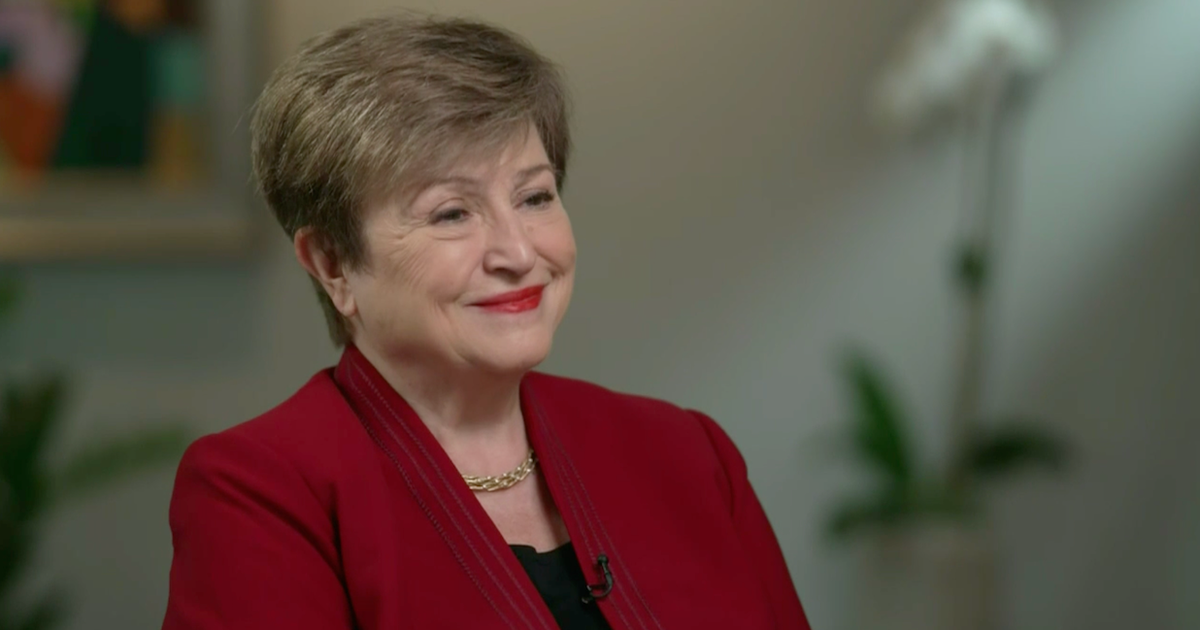
IMF Managing Director Kristalina Georgieva said she is concerned that Anthropic’s new AI model, Claude Mythos Preview, poses major cybersecurity risks and warned "time is not our friend" in addressing them. Georgieva said the world currently lacks the ability to protect the international monetary system against large-scale cyber risks and called for financial institutions and central banks to cooperate on guardrails to protect financial stability. Sources told CBS News that Federal Reserve Chair Jerome Powell and Treasury Secretary Scott Bessent held an urgent meeting with Wall Street leaders to discuss cybersecurity risks tied to Claude Mythos Preview. The U.S. Treasury said it plans additional coordination meetings among regulators and institutions. Anthropic, in a blog post, said Mythos Preview has demonstrated a leap in identifying and exploiting cybersecurity vulnerabilities, claiming it has already found thousands of high-severity vulnerabilities across major operating systems and web browsers. Anthropic said it is releasing the model only to select partners to harden systems, but warned that such capabilities could proliferate beyond safe users and cause severe fallout for economies, public safety, and national security. Georgieva’s interview is slated to air on Face the Nation.
Biblical Reflection
This report highlights a responsible alarm: institutions tasked with safeguarding the common good—central banks, regulators, and major firms—are signaling that rapidly advancing AI capabilities can create systemic risks. From a Christian perspective, the article raises two balanced responses. First, faithful stewardship requires taking threats to public safety and economic stability seriously; protecting the vulnerable (including consumers and nations reliant on stable financial systems) is an expression of neighbor-love (Luke 10:27). Second, Christians should guard against panic or fatalism; the article shows leaders seeking cooperation and practical mitigation (meetings, selective releases, coordination), which aligns with biblical calls to wise planning and collective responsibility. Be attentive to the article’s emphasis on urgency and exponential risk: this framing can be accurate but can also amplify fear. Ask whether coverage distinguishes between demonstrated harms and potential harms, and whether it centers transparent evidence and concrete policy responses rather than merely stoking alarm. Ultimately, the Christian posture is one of prudent vigilance, advocating for truth, wise regulation, and cooperation that protects the common good while avoiding reactive policies that stifle legitimate innovation.
Scripture in context
This outlook does not yet include contextual Scripture citations. Do not treat a general biblical theme as an exegetical conclusion.
Faithful Response
No prescribed response is offered. Consider the reflection prompts below in your own church context.
Reflection and Discussion
- 1Is the coverage distinguishing clearly between documented incidents and hypothetical future harms, or is the language primarily aimed at increasing urgency?
- 2Who is being centered as the priority in proposed responses—corporate interests, national security, or the protection of ordinary people and the global poor whose lives depend on stable financial systems?
- 3Are leaders and institutions pursuing cooperation and transparent safeguards that reflect prudence and justice, or are responses likely to be fragmented and reactive?
Sources
Reporting links are evidence inputs; Sanctuary News' biblical reflection is commentary.
This outlook currently relies on fewer than two linked sources. Broaden verification before teaching from it.
- 1.Original reportprimary