News Summary
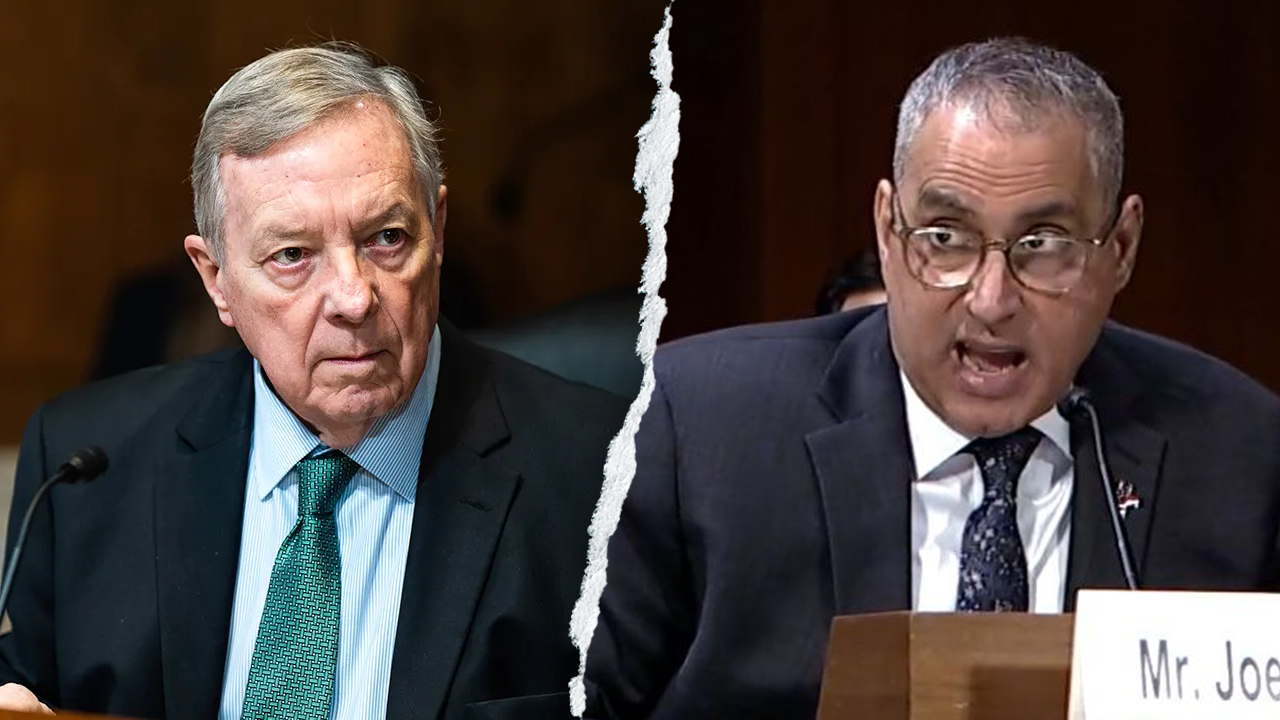
At a Senate hearing, Illinois father Joe Abraham publicly confronted Senator Dick Durbin (D-Ill.), saying Durbin had not acknowledged the death of his daughter, Katie Abraham, who was killed while standing at a stoplight in Urbana, Illinois, in a crash involving an immigrant without legal status who was reportedly driving under the influence. Senator Ted Cruz and other senators offered Abraham condolences; Abraham stated he had not heard from Durbin and criticized Durbin's support for sanctuary policies, saying those policies shaped a system that failed his family. The article notes Durbin is retiring and that a Department of Homeland Security enforcement operation in the Chicago area, launched in Katie's honor, resulted in more than 4,500 arrests. Abraham described his family’s grief and called for accountability from Illinois leaders.
Biblical Reflection
This is a story where raw personal grief and public policy intersect. From a Christian perspective, we should first recognize the real human loss and sorrow at the center of this report: a family mourning a young life cut short. Scripture calls Christians to mourn with those who mourn (Romans 12:15) and to seek justice (Isaiah 1:17), so both compassion for the family and a sober pursuit of accountability are appropriate responses. At the same time, be wary of narratives that simplify complex causes or that turn a personal tragedy primarily into a political cudgel. The piece foregrounds the father's accusation that sanctuary policies contributed to his daughter's death and highlights a senator's alleged silence; both claims merit careful scrutiny. Silence can be failure of leadership, but it can also reflect procedural or factual constraints — the difference matters morally and rhetorically. Christians should ask whether coverage is inviting empathy and constructive reform or whether it heightens division by assigning collective culpability to a whole group (immigrants, political opponents) without distinguishing individual criminal responsibility from policy complexity. Practically, faithfulness here means honoring the grieving family with empathy, advocating for public safety and justice rooted in truth, resisting dehumanizing language about any people, and pressing leaders to show compassion as well as to pursue wise policies that protect the vulnerable.
Scripture in context
This outlook does not yet include contextual Scripture citations. Do not treat a general biblical theme as an exegetical conclusion.
Faithful Response
No prescribed response is offered. Consider the reflection prompts below in your own church context.
Reflection and Discussion
- 1Does the article frame the incident primarily as a personal tragedy, a policy failure, or a political attack — and what assumptions underlie that framing?
- 2Are leaders being judged for moral indifference or for political strategy; how should Christians distinguish between genuine silence and the complexities of public office?
- 3How can Christians hold public officials accountable for public safety while avoiding language or actions that dehumanize immigrants or deepen partisan division?
Sources
Reporting links are evidence inputs; Sanctuary News' biblical reflection is commentary.
This outlook currently relies on fewer than two linked sources. Broaden verification before teaching from it.
- 1.Original reportprimary