News Summary
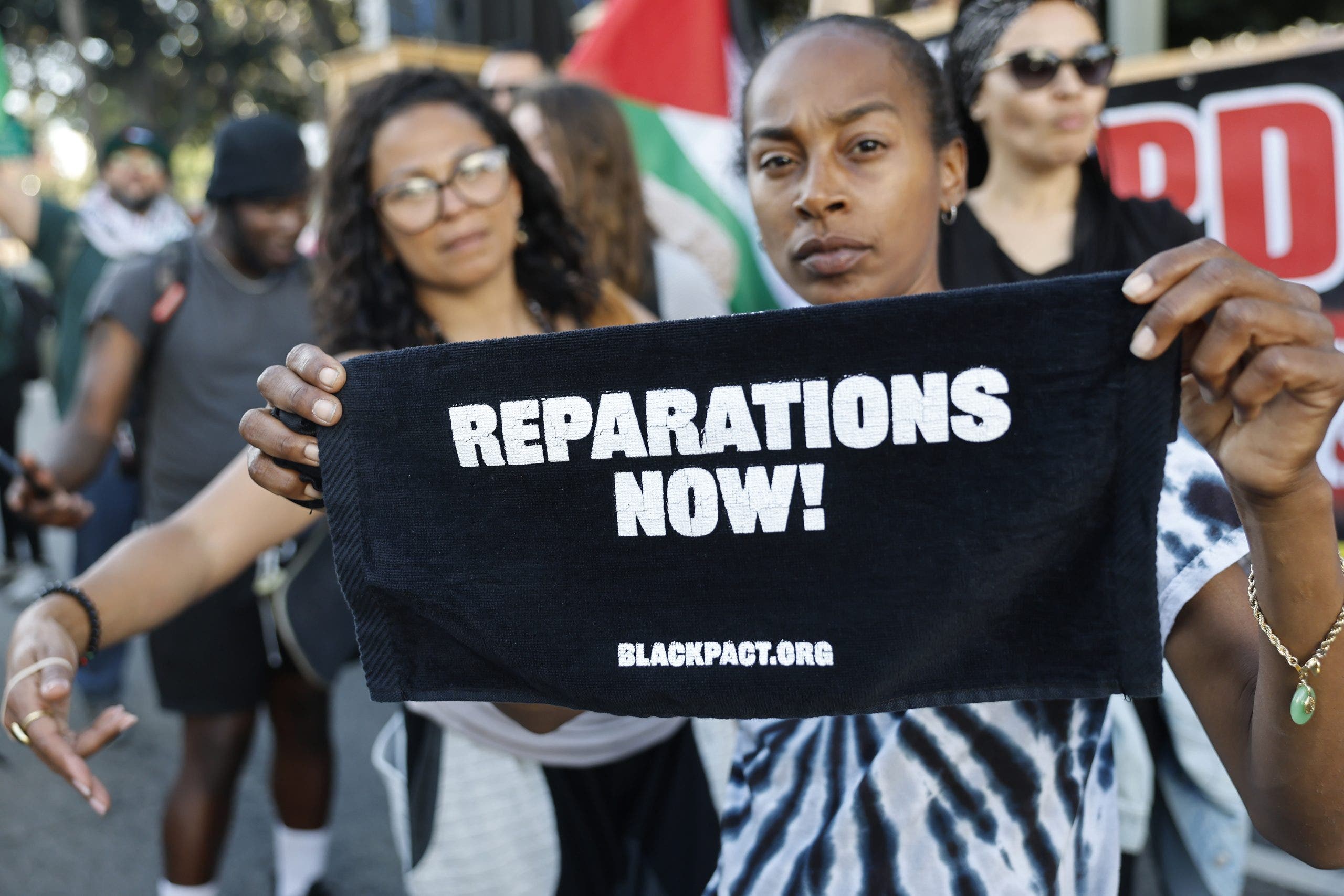
The article discusses the reparations program in Evanston, Illinois, which offers $25,000 payments to 44 Black residents or descendants who lived in the city between 1919 and 1969. This initiative seeks to address the historical housing discrimination Black residents faced. The program is funded via a real estate transfer tax and has distributed approximately $4 million so far. Critics argue that the program is divisive, constitutionally questionable, and administratively arbitrary. They claim it may not adequately address broader systemic issues, as it is narrowly tailored by race and era, and that cash payments may not bring lasting change compared to investments in education and community development. The article also raises moral concerns about putting a monetary value on historical suffering, suggesting a focus on opportunity and long-term investments would be more effective and equitable.
Biblical Reflection
Scripture calls Christians to pursue justice, reconciliation, and mercy. The intent to address past wrongs and discrimination reflects a biblical concern for justice (Micah 6:8), but the method—a race-specific cash payout—raises questions about fairness, unity, and whether true reconciliation is being sought. The Bible emphasizes neither favoritism (James 2:1-4) nor partiality in judgment (Leviticus 19:15), advocating instead for restorative justice that seeks the flourishing of all, regardless of race or status. While acknowledging and repenting for historical injustices is biblical (Nehemiah 9), care must be taken that efforts do not foster new divisions or resentment, but rather promote unity, dignity, and lasting change. Programs that invest in education, community, and opportunity may better reflect the biblical call to love our neighbor as ourselves (Mark 12:31) and to bear one another's burdens (Galatians 6:2). Ultimately, Christians are called to pursue justice with humility, truth, and a heart for reconciliation, seeking solutions that heal and uplift all members of the community.
Scripture in context
This outlook does not yet include contextual Scripture citations. Do not treat a general biblical theme as an exegetical conclusion.
Faithful Response
No prescribed response is offered. Consider the reflection prompts below in your own church context.
Reflection and Discussion
- 1How can Christians support justice and reconciliation without deepening divisions or fostering resentment?
- 2What does biblical justice look like in the context of historical wrongs that still impact communities today?
- 3In what ways can you contribute to healing and unity in your own community?
Sources
Reporting links are evidence inputs; Sanctuary News' biblical reflection is commentary.
This outlook currently relies on fewer than two linked sources. Broaden verification before teaching from it.
- 1.Original reportprimary