News Summary
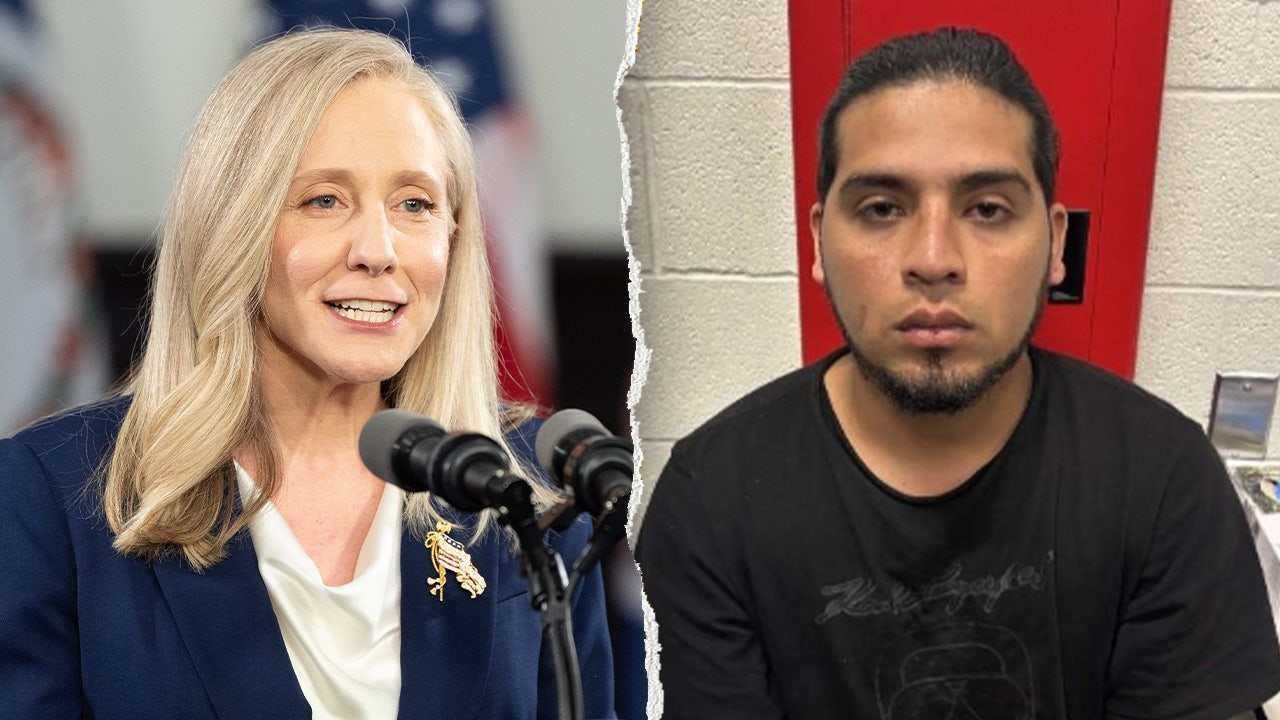
U.S. Immigration and Customs Enforcement (ICE) announced it arrested Guatemalan national Walvin Victor Hugo Garcia after a Fairfax County court appearance. Garcia faces felony charges including rape of a child under 13, aggravated sexual battery of a victim under 13, use of a computer to commit a sex offense with a minor, and distributing drugs to a minor; these charges stem from a June arrest. ICE says it had lodged a civil immigration detainer after the June arrest requesting that local authorities notify ICE before releasing Garcia, but that Fairfax County allowed him to leave court without ICE notification. DHS issued a statement criticizing Virginia Governor Abigail Spanberger and Fairfax County officials for not cooperating with ICE and publicly framed the incident as an example of sanctuary jurisdiction policies creating risk. DHS also stated Garcia first entered the U.S. unlawfully near Eagle Pass, Texas, in 2023, that he was released into the country, and that a Virginia immigration judge issued a final order of removal in February 2025. Fairfax County officials and the governor’s office were contacted for comment but the article reports primarily DHS and ICE statements. The article places this arrest in the context of other high-profile cases ICE and DHS cite in Fairfax County and notes upcoming congressional scrutiny, including testimony from local officials at a House subcommittee hearing.
Biblical Reflection
Christians should weigh two biblical priorities present in this story: the protection of the vulnerable (especially children) and the call to treat all people with dignity, even amid legitimate anger and fear. The article reports serious criminal charges that, if true, demand swift investigation, justice for victims, and protection for the community. At the same time, the story is framed through partisan and rhetorical language (DHS labeling, Fox News headlines, and quotes like "sicko" and "sanctuary calamity") that aims to shape public sentiment and political accountability. This framing can obscure procedural facts that matter legally — for example, the legal nature and limits of immigration detainers, why an individual might be released, and whether local actors followed procedure or had legal constraints. A faithful, Christlike response resists dehumanization of accused persons while vigorously advocating for victims and the rule of law. Christians should press for transparency and accuracy from authorities and media, support care and healing for victims, and avoid letting political labels ("sanctuary" or partisan blame) replace careful inquiry into what actually happened and why. Finally, the story illustrates how public fear and legitimate concern for safety can be used in political rhetoric; believers are called to pursue truth, justice, mercy, and the common good rather than partisan scoring.
Scripture in context
This outlook does not yet include contextual Scripture citations. Do not treat a general biblical theme as an exegetical conclusion.
Faithful Response
No prescribed response is offered. Consider the reflection prompts below in your own church context.
Reflection and Discussion
- 1What specific facts are reported and which claims are framed or asserted without documentary detail (e.g., exact reason for the release, court records, statements from local officials)?
- 2How does the article’s language (DHS rhetoric, quoted labels, and headline tone) shape emotional response, and does that help or hinder careful pursuit of justice and truth?
- 3How can Christians hold public officials accountable while resisting dehumanizing rhetoric toward accused persons and maintaining compassion for victims?
Sources
Reporting links are evidence inputs; Sanctuary News' biblical reflection is commentary.
This outlook currently relies on fewer than two linked sources. Broaden verification before teaching from it.
- 1.Original reportprimary