News Summary
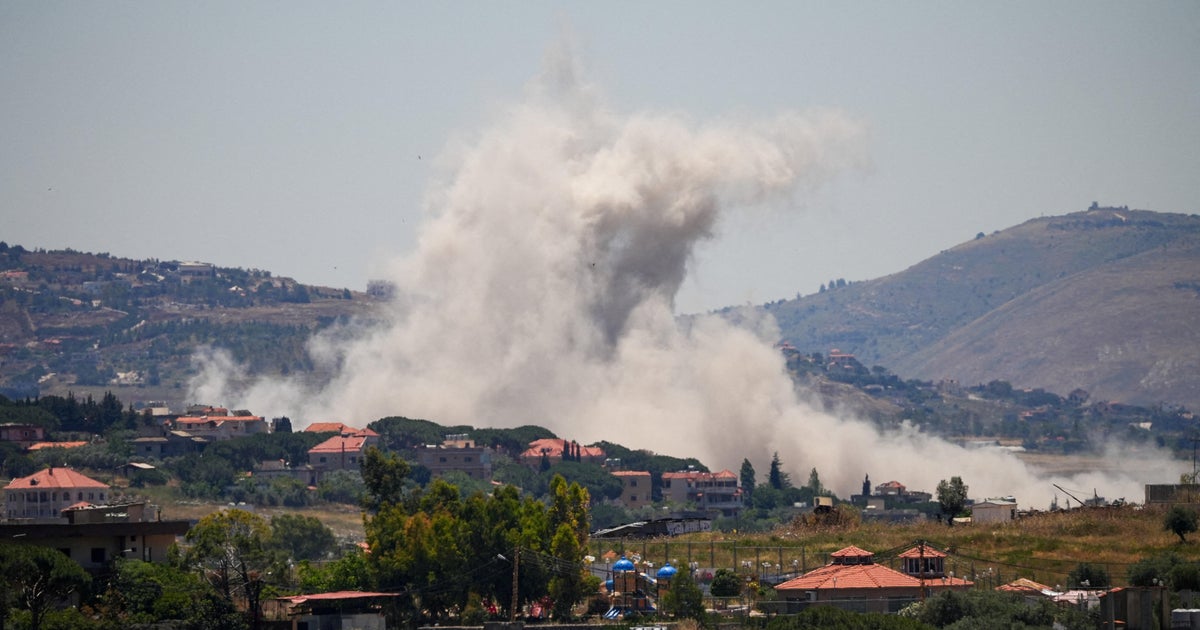
Key factual points from the article: - The International Atomic Energy Agency (IAEA) reportedly warned in a confidential report that limited access to verify nuclear material in Iran is a "proliferation concern," and urged Iran to engage constructively so verification can proceed. - Iran's foreign ministry and senior officials (including the IRGC Quds Force leader) said "no tangible progress" has been made in communications with the United States after recent exchanges, and Iran signaled it is prepared to continue fighting if necessary while not seeking war. - Iran's Revolutionary Guard Corps claimed that an incident at Kuwait International Airport that killed one person was caused by a malfunctioning U.S. Patriot air-defense missile; U.S. Central Command denied that claim and said Iran struck the civilian airport with drones. Kuwait said some Iranian weapons were intercepted but debris fell and caused damage. - The U.S. and Iran continue to exchange messages but, according to Iranian officials, not in a formal negotiations format. Pakistan denied reports it shared intelligence on Iran with the U.S. - Lebanon and Israel, after U.S.-mediated talks in Washington, issued a joint statement renewing a fragile ceasefire and proposing "pilot zones" in southern Lebanon where the Lebanese army would take exclusive control and non-state actors (meaning Hezbollah) would be excluded. Implementation was presented as contingent on a complete cessation of Hezbollah fire and evacuation of Hezbollah operatives from specified areas. - Hezbollah rejected the deal publicly, calling it a false and humiliating plan that would amount to surrender; Lebanese President Joseph Aoun said he awaited Hezbollah's response and that implementation could begin within 24 hours if approved. - UNIFIL (the U.N. Interim Force in Lebanon) said a Serbian peacekeeper, Senior Sergeant Milovan Jovanovic, died after mortar shells struck his position near Marjayoun; two other peacekeepers were wounded and an investigation was opened. Lebanese officials and UNIFIL condemned the incident. - Israeli officials announced continued operations in southern Lebanon and said Israel would retain freedom to strike Beirut if Hezbollah attacks Israeli communities. Israeli strikes and evacuation warnings in southern Lebanon were reported after the Washington talks. - Domestically in the U.S., the House passed a nonbinding measure to push President Trump to end the war with Iran; President Trump criticized the vote as "unpatriotic." - Additional reporting items included Iran's claim that footage of the Kuwait airport strike was fabricated, Iran's national soccer team having U.S. visa issues for World Cup matches, and public statements from Iran's supreme leader accusing the U.S. and Israel of seeking to sow division in Iran.
Biblical Reflection
Christian discernment in this story should notice how competing official narratives, military actions, and political maneuvering often obscure the human cost and complicate truth-seeking. The article aggregates statements from many actors—IAEA, Iranian officials, U.S. Central Command, Kuwaiti authorities, Lebanese leaders, Hezbollah, UN peacekeepers—many of which contradict each other. That should prompt caution: official claims are shaped by strategic interests and propaganda pressures, and independent verification is limited in conflict zones. From a pastoral perspective, the most urgent realities are the suffering of civilians and peacekeepers, the fragility of ceasefires, and the spiritual danger of demonizing opponents in ways that harden hearts for more violence. Christian virtues call us to pursue truth (seek verified facts and question contradictory claims), act with mercy (attend to the wounded and displaced), and pursue peace (support just, durable resolutions that protect innocents). At the same time, seeking peace does not require ignoring wrongdoing or failing to demand accountability for attacks on civilians. Christians should also be wary of simple binaries that make one side purely virtuous and the other purely evil; scripture calls for discernment, lament, and prophetic truth-telling. Finally, the church's vocation in such crises is to pray for leaders and victims, advocate for humanitarian access and protection for noncombatants, and resist narratives that justify violence by dehumanizing rival groups or elevating national interest above human life.
Scripture in context
This outlook does not yet include contextual Scripture citations. Do not treat a general biblical theme as an exegetical conclusion.
Faithful Response
No prescribed response is offered. Consider the reflection prompts below in your own church context.
Reflection and Discussion
- 1Which claims in this story come from parties with clear strategic interests, and what independent evidence would you want before accepting those claims?
- 2How does the reporting treat civilians and peacekeepers versus armed actors—who is centered and who is made invisible?
- 3Are we being pushed toward quick judgments or partisan allegiance by the language used, and how would a posture of prayerful discernment change our response?
Sources
Reporting links are evidence inputs; Sanctuary News' biblical reflection is commentary.
This outlook currently relies on fewer than two linked sources. Broaden verification before teaching from it.
- 1.Original reportprimary