News Summary
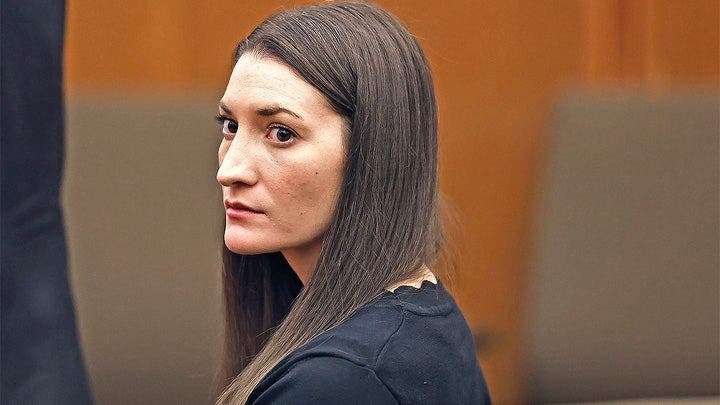
Facts reported: Lindsay Clancy is charged with killing her three children; jury selection for her trial begins July 20, 2026; her husband Patrick may testify; Clancy pleaded not guilty and has filed an amended civil complaint naming multiple clinicians and hospitals; the complaint describes a timeline of psychiatric care and medications between September 2022 and January 2023 and seeks damages. Attributed claims: the complaint alleges misdiagnosis, poor coordination among providers, and that changing prescriptions worsened her symptoms and produced auditory hallucinations commanding harm. Uncertainty: the article reports allegations from Clancy’s lawsuit but does not provide independent verification from medical records, hospital statements, prosecutorial evidence, or expert analysis; criminal guilt or civil liability are unresolved pending trial and litigation.
Source and Framing Analysis
Source role and framing: The report is primary reporting from Fox News relaying the plaintiff’s amended complaint and trial schedule; it recounts the timeline and claims that originate in the lawsuit. Missing voices: the article lacks on-the-record responses from the named medical providers and hospitals, independent psychiatric experts, prosecutors or defense investigators assessing causation, and official court filings or medical records. Incentives and angle: the story blends true-crime interest with medical-malpractice allegations, which can increase audience engagement by emphasizing dramatic medical and legal narratives. Disputed or high-impact claims requiring verification: whether medications caused or contributed to psychosis or disinhibition; exact timelines and provider communications; hospital records and clinician notes; toxicology/autopsy findings. Independent verification needed from medical records, court filings, expert reviews, and statements by named defendants and prosecuting authorities.
Biblical Reflection
This story sits at the intersection of grief, alleged mental illness, medical accountability, and criminal justice. Christian discernment calls us to hold two difficult truths together: the unbearable loss suffered by the children and their family, and the seriousness of allegations that medical misdiagnosis or mismanagement could have contributed to tragedy. The article largely relays the plaintiff’s legal narrative; those claims remain allegations until proven in court. Pastoral wisdom urges compassion for victims and suffering people, insistence on truthful and careful inquiry, and restraint from snap moral judgments. Christians should advocate for rigorous fact-finding (so justice may be done), for better care and attention to perinatal mental health (so vulnerable mothers and children are protected), and for pastoral care that ministers to victims’ families, to those accused, and to medical caregivers responding under complex conditions. Beware of narratives that simplify causation — mental illness, medication effects, and system failures interact in complicated ways — and be cautious of media impulses that either sensationalize or over-sympathize before the legal and medical facts are established.
Scripture in context
- 1Psalm 34:18 — Psalm 34 is attributed to David and addresses God’s nearness to those in distress. The psalm is a poetic reassurance that God sees and comforts the brokenhearted and those crushed in spirit, set within a broader call to reverent trust and righteousness. — In the face of this tragedy, the passage encourages Christians to be near the broken, to offer consolation and practical care to grieving families and those who suffer severe mental distress, and to seek justice and truth in ways that reflect God’s tenderness toward the hurting.
Faithful Response
Pray for clarity, for the bereaved family, for anyone accused, and for medical professionals involved.
Avoid online speculation or sharing unverified assertions; wait for court and medical records when forming public judgments.
Support local efforts and organizations that provide perinatal mental-health screening and treatment, and advocate for better coordination among providers.
Offer tangible care (meals, visits, grief counseling referrals) to affected families and caregivers while respecting legal boundaries and confidentiality.
Reflection and Discussion
- 1Which key documents or expert statements would you want to see before concluding how medical care contributed to this tragedy?
- 2Whose perspectives are absent from the article, and how might their inclusion change the narrative?
- 3How does the article’s language guide readers toward sympathy for the plaintiff’s legal narrative, and what rhetorical choices should prompt caution?
Sources
Reporting links are evidence inputs; Sanctuary News' biblical reflection is commentary.
This outlook currently relies on fewer than two linked sources. Broaden verification before teaching from it.
- 1.Lindsay Clancy’s husband could testify for her at trial over deaths of their three childrenprimary_reporting