News Summary
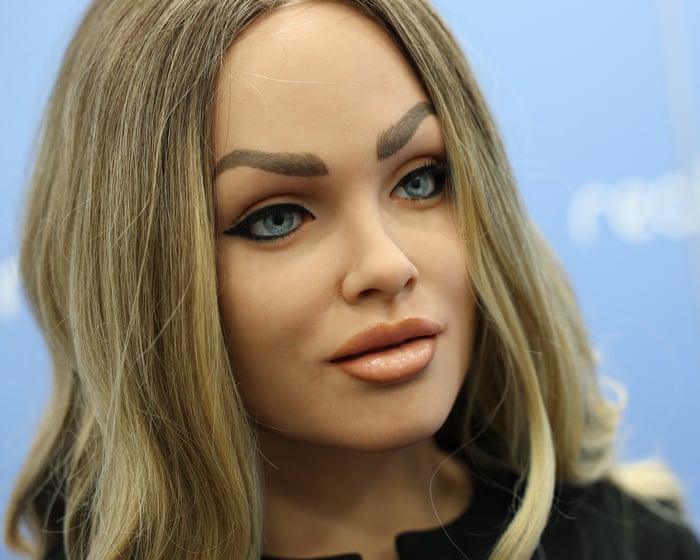
Reported facts: A humanoid robot and an AI teaching assistant are being piloted at Salamanca High School in Salamanca, New York. The school is on Allegany territory of the Seneca Nation. The reporting states the robot is from a company that acquired a sex-doll manufacturer. Attributed claims: Teachers have described the program as "inappropriate" and said human-like robots dehumanize the profession; some local Native American residents called the pilot culturally tone-deaf. Uncertainties: The article does not provide detailed information about the robot's classroom functions, the terms of procurement, whether there was formal consultation with community leaders, or the company's and school district's formal responses beyond the reported criticisms.
Source and Framing Analysis
The Guardian article highlights controversy and foregrounds critical responses from teachers and some Native American residents. A framing choice that may affect readers' judgment is linking the robot supplier to a prior acquisition of a sex-doll maker; that fact is newsworthy but can also amplify moral alarm without explaining how—or if—that past business directly affects the robot's classroom suitability. Material uncertainties include the robot's exact role, safeguards for students, and whether local leaders were consulted; those gaps significantly affect how to evaluate the pilot's appropriateness.
Biblical Reflection
This story raises pastoral concerns about stewardship of technology, respect for human dignity, and sensitivity to local communities. Christians should weigh the potential educational benefits of new tools against risks of devaluing human relationships central to teaching, and should listen carefully when teachers and Indigenous neighbors express alarm. The link drawn in reporting between the robot's supplier and a company that acquired a sex-doll maker complicates public perception; Christians should resist gossip and rushes to judgment while still insisting on accountability and clear safeguards for children. Practically, church communities can pray for wise leadership in local schools, encourage policies that protect student dignity and cultural respect, and support teachers as neighbors whose vocation serves the common good.
Scripture in context
- 1Matthew 25:31-46 — In this teaching, Jesus addresses care for the hungry, thirsty, stranger, naked, sick, and imprisoned; the passage is situated in a judgment discourse about how people treat 'the least of these,' emphasizing embodied care and moral responsibility toward neighbors. — This passage challenges Christians to prioritize practices and policies that protect and serve vulnerable people—here, students and teachers—reminding us that human needs and dignity matter more than technical novelty or convenience.
- 2Philippians 2:3-4 — Paul exhorts believers to humility, considering others' interests above their own, set within counsel about unity and Christ-like humility in the early church. — Applied to this situation, the passage calls for humility and attentiveness from technologists, school leaders, and communities: decisions about classrooms should begin with listening to teachers and local communities rather than assuming technological fixes are first-order solutions.
Faithful Response
Pray for school leaders, teachers, students, and Indigenous neighbors to have wisdom and voice in decisions.
Seek factual clarity: ask school boards for specifics about the robot's role, data/privacy safeguards, and consultation processes.
Support teachers publicly and pastorally; offer to host listening sessions where concerns can be voiced constructively.
Advocate for policies that require meaningful community consultation and transparent evaluation plans before expanding such pilots.
Reflection and Discussion
- 1How does the command to love our neighbor shape the standards we demand for technologies entering schools, especially in communities with historical marginalization?
- 2Where should the default authority lie in decisions that reshape educational relationships: with technologists, school administrators, teachers, or the broader community?
- 3Are we giving equal weight to prudence, justice, and compassion when new technologies raise questions about dignity and cultural sensitivity?
Sources
Reporting links are evidence inputs; Sanctuary News' biblical reflection is commentary.
This outlook currently relies on fewer than two linked sources. Broaden verification before teaching from it.
- 1.‘Really inappropriate’: teachers decry plan for humanoid robot in New York high schoolprimary_reporting