News Summary
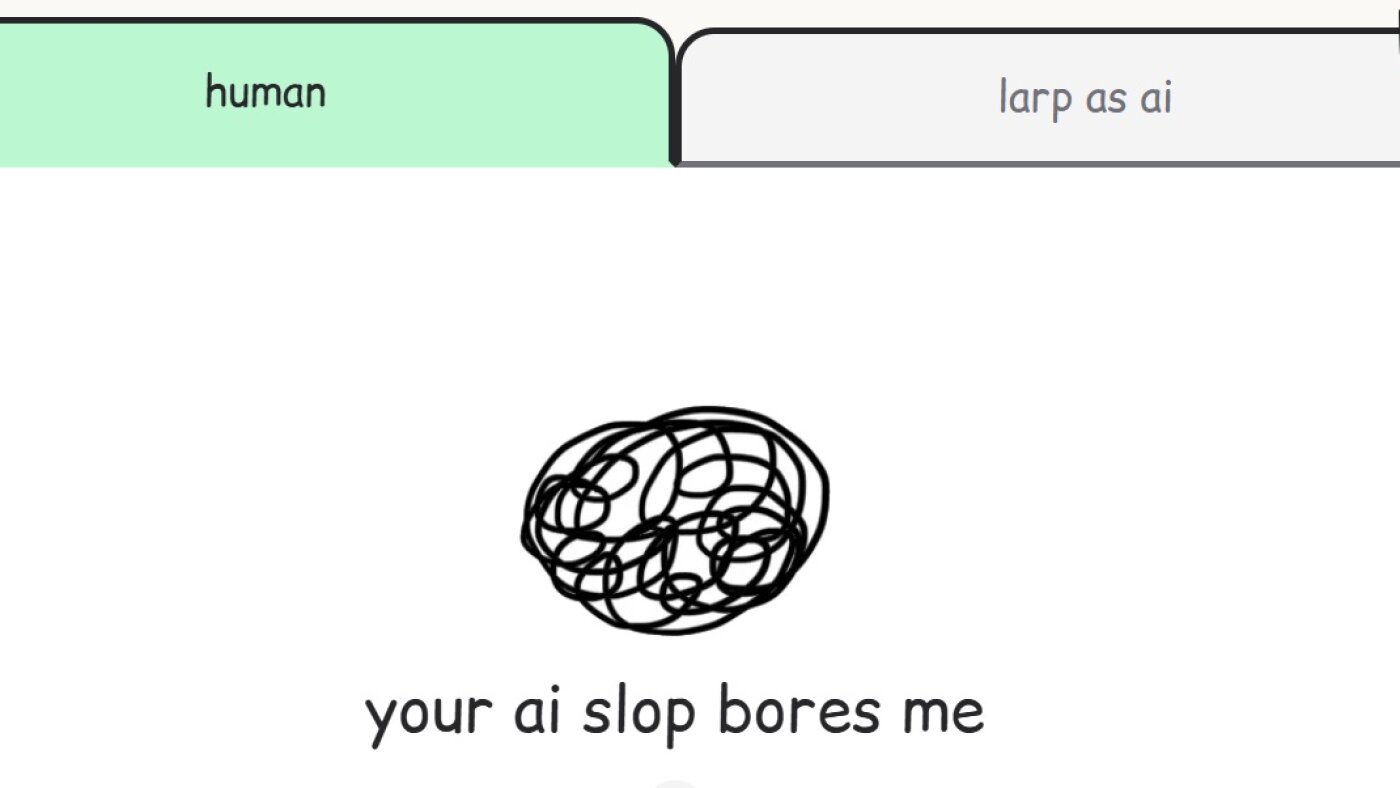
A number of human-run websites and joke pages have been created to imitate AI chatbots for entertainment and social engagement. One example, youraislopbores.me, created by 17-year-old Mihir Maroju, has reported more than 25 million unique visitors and roughly 280 million total hits since launching. Sites like this let real people answer prompts through an interface styled like an AI chatbot; some require users to respond at machine-like speeds (a 75-second limit is used on youraislopbores.me). Cartoonist Amy Kurzweil and others have shared examples of playful requests (drawing a bat eating a strawberry, casual Q&A) and described the experience as nostalgic and social. Administrators say they use moderation tools to filter spam and harmful content. Separately, comedian Ben Palmer and others have set up prank sites that mimic official AI services, sometimes causing confusion when users believe they are interacting with a genuine AI. Platforms have removed some of these parody or prank sites. The article cites a June 2025 Pew Research study noting that over one-third of U.S. adults have used ChatGPT, and includes responses from OpenAI and an investor noting that cultural engagement with AI is increasing even as humans parody or role-play as bots.
Biblical Reflection
The phenomenon reflects two clear human longings: for novelty and for connection. On one hand, people are using these spaces to reclaim playful, creative, and human interactions in a digital landscape increasingly filled with automated systems; that points to a healthy desire for genuine relationship and whimsy. On the other hand, recreating or parodying AI raises ethical questions about transparency and truth-telling when users are unclear whether they are interacting with a person or a machine. The article frames most examples as benign entertainment and nostalgia, but it lightly treats scenarios where deception or harm could occur (users seeking banned services, or being misled). From a Christian perspective, the value of authentic human connection and creativity is good, but it must be balanced with the biblical call to honesty, love of neighbor, and guarding the vulnerable. Christians should welcome spaces that cultivate real fellowship and creativity, oppose exploitation or deliberate deception, and press platforms and creators to protect privacy and prevent harm. The piece is generally descriptive and light in tone; readers should note that it emphasizes novelty and culture over deeper ethical, legal, or pastoral implications of indistinguishable AI and human impersonation.
Scripture in context
This outlook does not yet include contextual Scripture citations. Do not treat a general biblical theme as an exegetical conclusion.
Faithful Response
No prescribed response is offered. Consider the reflection prompts below in your own church context.
Reflection and Discussion
- 1How does the appeal of human-run 'fake AI' spaces reveal what people miss in automated online interactions, and what does that imply about our deeper social and spiritual needs?
- 2Where should the line be drawn between playful role-play and deceptive practices online, and who bears responsibility for protecting those who may be misled?
- 3In a culture normalizing indistinguishable AI and human voices, how can Christians practice and model truthful, compassionate digital communication?
Sources
Reporting links are evidence inputs; Sanctuary News' biblical reflection is commentary.
This outlook currently relies on fewer than two linked sources. Broaden verification before teaching from it.
- 1.Original reportprimary