News Summary
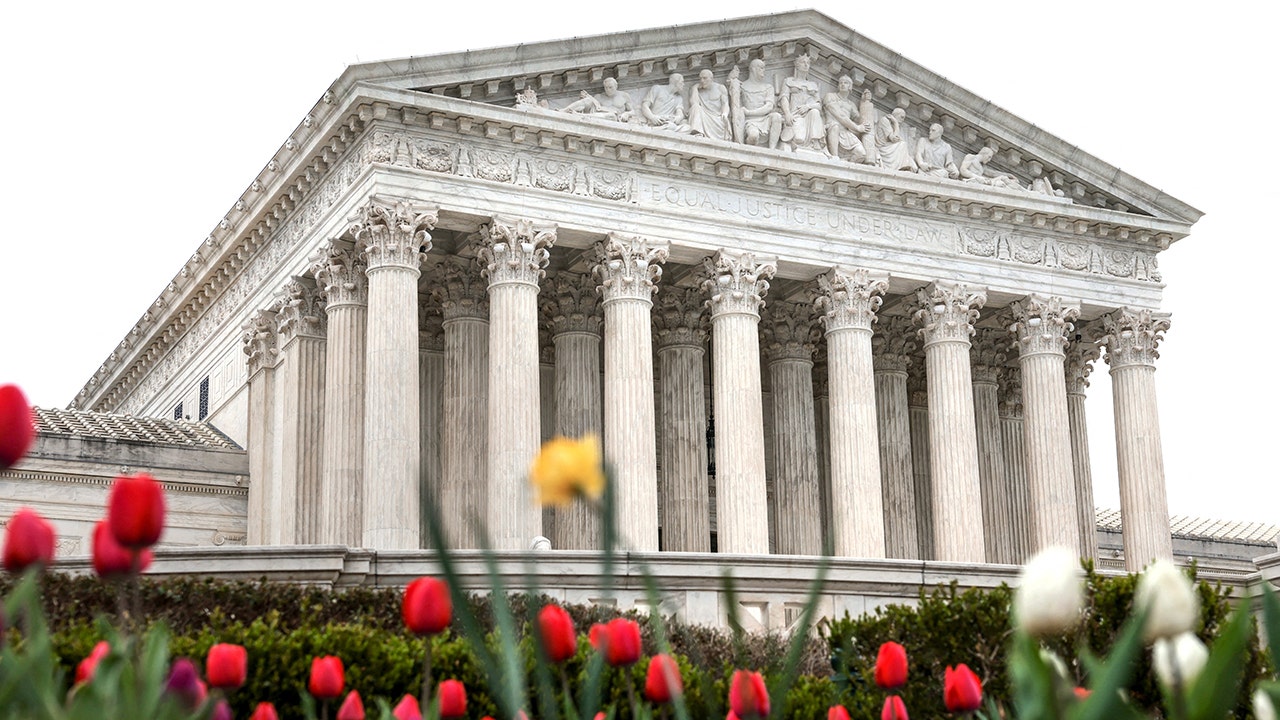
This is an opinion column by Hugh Hewitt published by Fox News. Hewitt argues that some Democrats support ending the Senate legislative filibuster and expanding the U.S. Supreme Court (citing past statements by President Joe Biden and Senator Ed Markey about a 14-member Court). He contends that expanding the Court would lock in an ideological majority and threaten the rule of law and guarantees of due process under the Fifth and Fourteenth Amendments. The column references past Senate changes to confirmation procedures (the 2013 “nuclear option” and later Republican confirmations) as precedents and warns political retaliation would follow if court expansion and filibuster repeal occur. Hewitt urges Senate Republicans to defend the legislative filibuster and preserve a nine-justice Court to prevent what he describes as an erosion of institutional norms. The piece frames these developments as a matter of constitutional and political survival and is positioned as an argument for a partisan caucus to act to block proposed changes.
Biblical Reflection
From a Christian perspective, the column raises valid civic concerns about institutional stability and the long-term health of democratic processes. Scripture calls believers to care for justice, truth, and the common good, so vigilance about changes that could weaken legal protections is appropriate. At the same time, the article is an opinion piece with partisan framing and rhetorical language that amplifies fear (e.g., describing court expansion as the end of the Constitution). Christians should note the difference between sober constitutional argument and partisan alarmism. Pay attention to the article’s assumptions: it treats institutional preservation primarily as a partisan defense rather than as a shared civic responsibility, and it attributes extreme motives to political opponents in broad strokes. The biblical response is neither passive acquiescence nor tribal reactionary zeal, but measured engagement: pray for leaders of all parties, seek accurate information from multiple sources, advocate for fair procedures, and resist dehumanizing rhetoric. Ultimately the Christian posture toward political institutions should combine stewardship of public goods (justice, due process) with humility about human sinfulness and the limits of earthly governments.
Scripture in context
This outlook does not yet include contextual Scripture citations. Do not treat a general biblical theme as an exegetical conclusion.
Faithful Response
No prescribed response is offered. Consider the reflection prompts below in your own church context.
Reflection and Discussion
- 1Does the piece prioritize institutional principles (rule of law, due process) or partisan advantage, and how can you tell the difference in the language and examples used?
- 2What safeguards — legal, political, and cultural — actually constrain abuses of power, and are those safeguards fairly represented or overstated in this argument?
- 3How can Christians hold public institutions accountable for justice without adopting the partisan language or fear-based framing that can harden divisions?
Sources
Reporting links are evidence inputs; Sanctuary News' biblical reflection is commentary.
This outlook currently relies on fewer than two linked sources. Broaden verification before teaching from it.
- 1.Original reportprimary