News Summary
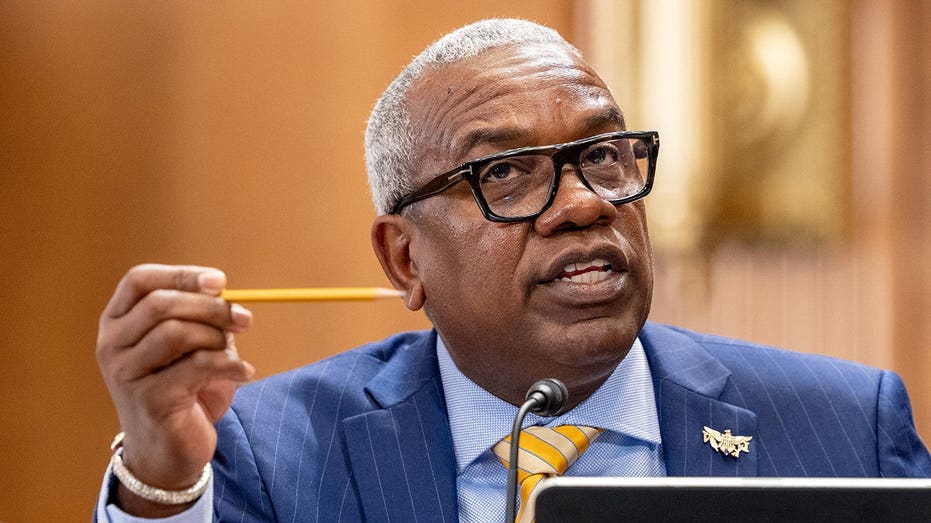
Reported facts: HUD suspended disaster aid procurements tied to nearly $2 billion due to fraud and abuse concerns; Governor Albert Bryan Jr. publicly criticized the move and questioned HUD's motives. Attributed claims: the article attributes accusations of political motive to Gov. Bryan Jr. Uncertainties: the reporting does not detail the alleged fraud, identify specific contractors or procurements, or provide independent corroboration beyond HUD's suspension and the governor's statements.
Source and Framing Analysis
The article relies on a single news report and frames the governor's reaction in confrontational language (e.g., 'lashes out'), which colors readers' impressions. Material uncertainties include absence of HUD's detailed findings, lack of named contractors or procurement actions under investigation, and no independent audit or inspector-general report cited. The political framing (labeling HUD as 'Trump HUD') highlights partisan context but does not substitute for documentary evidence about fraud or the precise administrative rationale for suspension.
Biblical Reflection
This situation sits at the intersection of two biblical concerns: the demand for honest stewardship of shared resources and the call to show compassion to people harmed by disaster. Scripture repeatedly condemns dishonest gain and praises fair treatment of the needy; applied here, Christians should want rigorous, impartial investigations into any credible fraud allegation so that taxpayer and relief dollars reach the intended recipients. At the same time, we must be wary of cynical quickness to assume political motive without evidence—Christlike witness requires careful discernment, humility about what we know, and a commitment to justice that protects the vulnerable.
The political heat in reporting can tempt believers toward partisan reflexes. A faithful Christian response is to press for transparent processes (clear timelines, public reports, third‑party audits or inspector-general reviews) while advocating pastoral care for communities that may suffer delays. If wrongdoing is found, it should be exposed and corrected; if not, those wrongly accused deserve restoration. In every phase, truth-telling, humility, and a preference for mercy over accusation should shape our public posture.
Practically, Christians can model patient insistence on both accountability and compassion—support independent review mechanisms, encourage leaders to communicate clearly about impacts on recovery work, and help local relief efforts so people are not left waiting while bureaucratic or legal processes unfold.
Scripture in context
- 1Proverbs 11:1 — Proverbs is a collection of wisdom sayings in the Hebrew Bible, traditionally attributed to Solomon; many proverbs contrast righteous behavior with corrupt practices and highlight social and economic justice in everyday affairs. — The proverb about honest scales addresses economic honesty and fair dealing; applied here it calls Christians to insist on integrity in public contracting and stewardship of relief funds, while also remembering that justice includes care for those harmed when necessary resources are withheld.
Faithful Response
Pray specifically for investigators, local leaders, and disaster survivors rather than assuming motives.
Seek reliable information: request public audit reports or inspector-general findings and avoid spreading unverified allegations.
Join or support local relief efforts (church-based or vetted NGOs) so people do not suffer while accountability processes proceed.
Advocate respectfully for transparent public processes that both root out misuse and protect timely aid distribution.
Reflection and Discussion
- 1When I encounter claims of corruption in public relief programs, how do I test those claims against evidence and Scripture before forming a public judgement?
- 2How can Christians insist on accountability without abandoning the immediate needs of disaster survivors?
- 3What signs should convince me that a public investigation is credible and that allegations should be treated as proven?
Sources
Reporting links are evidence inputs; Sanctuary News' biblical reflection is commentary.
This outlook currently relies on fewer than two linked sources. Broaden verification before teaching from it.
- 1.Dem gov lashes out as Trump HUD scrutinizes nearly $2B in disaster funds over fraud concernsprimary_reporting