News Summary
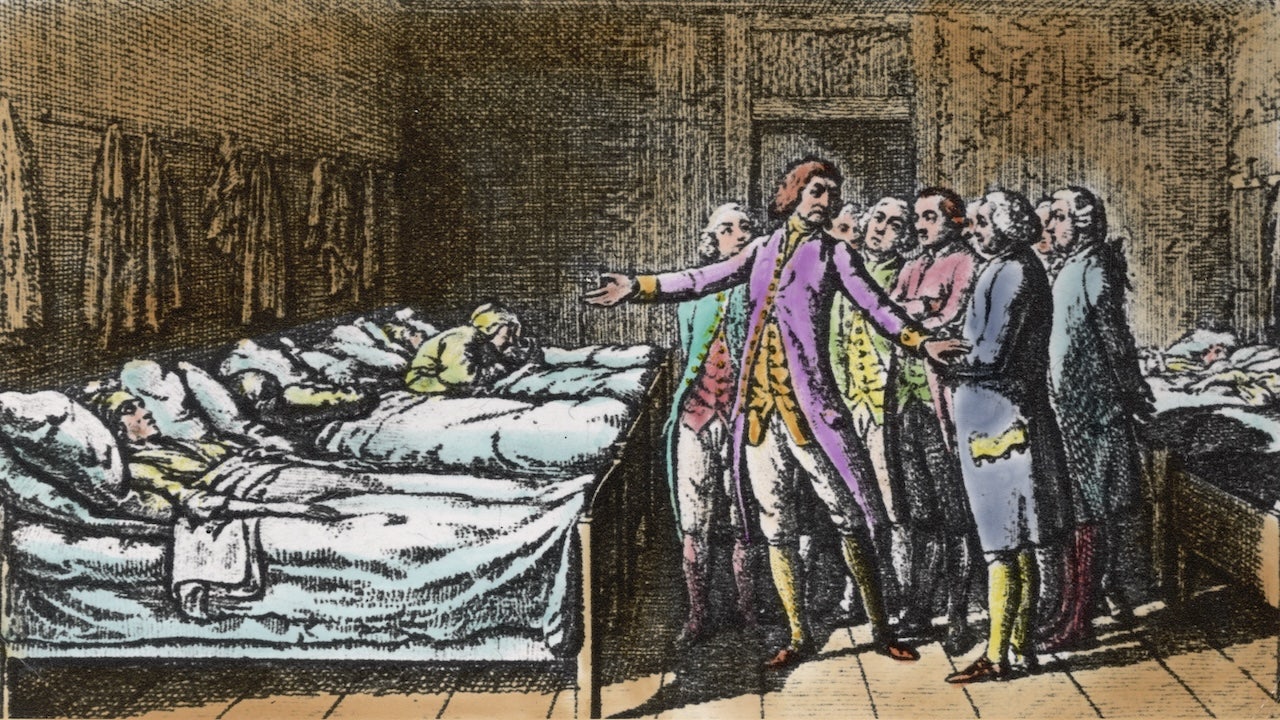
The article traces how leading causes of death in the United States shifted from infectious and acute illnesses in the 18th–early 20th centuries to chronic, noncommunicable diseases today. It notes that life expectancy rose from roughly 30 years around America’s founding to about 80 years now. Factors behind high mortality in 1776 included lack of antibiotics, vaccines, germ theory, sterile techniques, safe water and sanitation, refrigeration, and modern childbirth care. By the early 1900s, pneumonia, tuberculosis and diarrheal diseases caused nearly one-third of deaths and about 30% of deaths were among children under five. Public-health advances—germ theory, water and sewage systems, vaccines, antibiotics (notably penicillin), sterile surgical practice, improved prenatal and neonatal care, screening programs, and modern cancer and cardiovascular treatments—reduced infectious mortality and extended lifespan. The article states that chronic diseases now predominate, driven by an aging population and lifestyle factors (sedentary behavior, diets high in fats/salt/ultraprocessed foods) and rising obesity; it cites prevention, screening, and new therapies (including GLP‑1 drugs) as current tools to address these trends. It references the eradication of smallpox in 1980 and an analysis that prevention and screening averted a large share of cancer deaths over recent decades.
Biblical Reflection
The article presents a broadly accurate narrative of medical and public-health progress: science and collective interventions have dramatically reduced deaths from infectious disease, while longer lives reveal chronic conditions as today’s main threats. Its underlying worldview is one of progress through science, technology and behavior change. That is largely true, but the piece leans toward individualizing chronic disease (diet, exercise, medications) and toward optimism about medical fixes, giving less attention to social determinants (poverty, unequal access to care, environmental risks, global inequities) and to the moral obligations of communities and governments to protect the vulnerable. From a Christian perspective, we can celebrate these advances as gifts of human ingenuity and stewardship, while resisting two temptations: idolatry of technology as a cure-all and moralizing those who suffer. Truth requires acknowledging both the successes of public health and the persistent gaps in access and prevention; mercy calls us to care for those still at risk; humility reminds us that progress brings new responsibilities; courage presses us to advocate for fair access to prevention and care. Christians should therefore praise scientific progress, promote healthy living as stewardship, and press for structural changes that protect the poor, children, and the globally marginalized who still face infectious disease burdens.
Scripture in context
This outlook does not yet include contextual Scripture citations. Do not treat a general biblical theme as an exegetical conclusion.
Faithful Response
No prescribed response is offered. Consider the reflection prompts below in your own church context.
Reflection and Discussion
- 1Does this story frame health primarily as an individual responsibility, or does it acknowledge the collective, structural factors (sanitation, access to care, poverty) that shape outcomes?
- 2Are technological and pharmaceutical solutions presented as sufficient, and what obligations follow if they are not accessible to everyone?
- 3How does gratitude for medical advances shape our Christian priorities for justice, care, and prevention both locally and globally?
Sources
Reporting links are evidence inputs; Sanctuary News' biblical reflection is commentary.
This outlook currently relies on fewer than two linked sources. Broaden verification before teaching from it.
- 1.Original reportprimary