News Summary
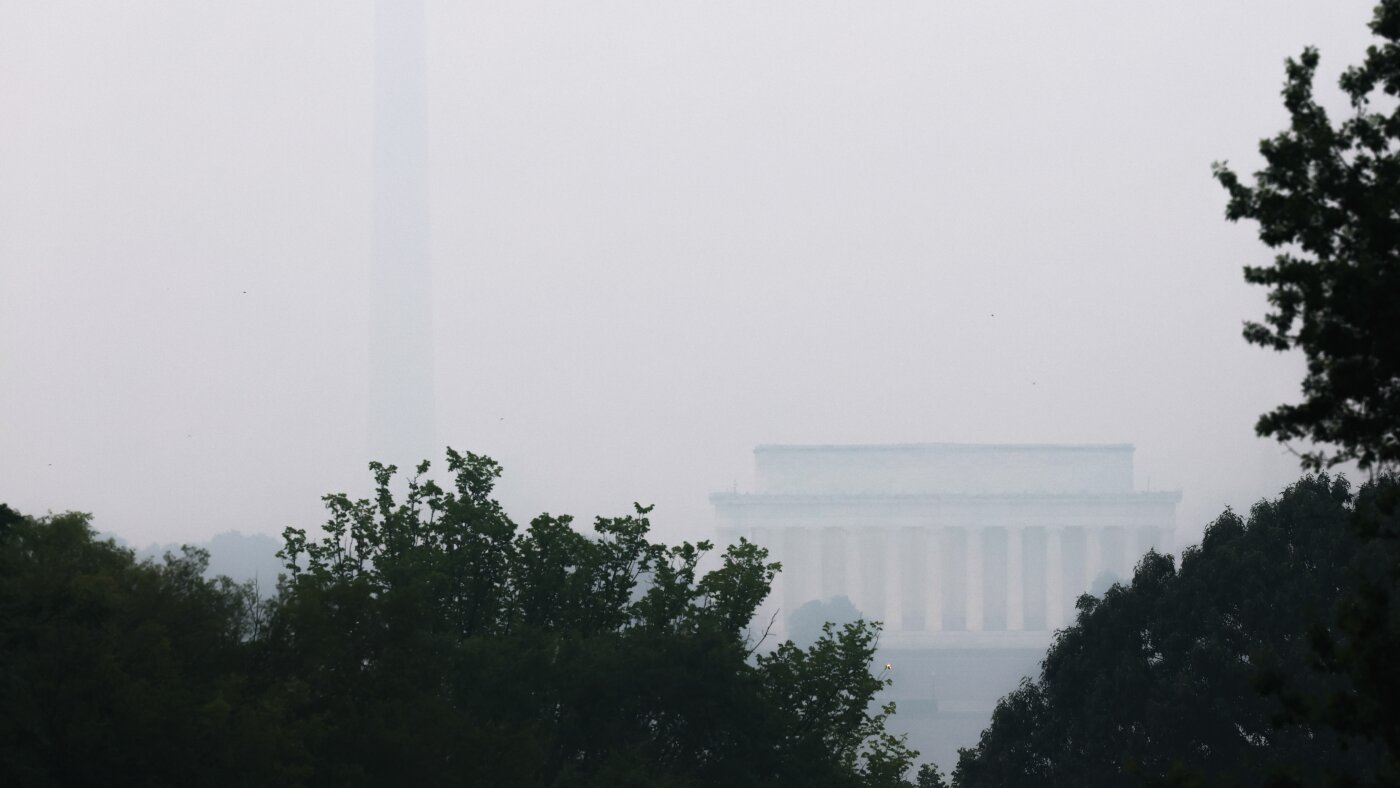
Large wildfires in Ontario, Canada, and northern Minnesota produced smoke that spread across parts of the U.S., creating "very unhealthy" to "hazardous" air quality (AQI 201–300+ and 301+) across a broad region from Minnesota to Virginia. Public-health authorities warn that fine particulate matter (PM2.5 and smaller) in the smoke can penetrate deep into lungs and enter the bloodstream. The article summarizes guidance: use higher‑rated filters (MERV 13 or higher) in HVAC systems if compatible, prefer HEPA‑equipped portable air cleaners sized to the room, seal doors and windows to limit infiltration, stay hydrated, and wear masks outdoors. It describes DIY options: the Corsi‑Rosenthal Box (four 20‑inch MERV 13 filters plus a 20‑inch box fan) and simpler single‑filter box‑fan attachments; authorities (CDC, EPA) say DIY cleaners can be an effective temporary option but note safety cautions (use newer fans, keep motors clean to reduce overheating risk). The article cites EPA, CARB, ASHRAE, University of Washington research, and official air quality monitors (AirNow) and provides links to resources for matching purifier capacity to room size.
Biblical Reflection
The article is fundamentally practical and evidence‑based: it centers public health protection and relays expert recommendations rather than political argument. From a Christian pastoral perspective, its emphasis on protecting vulnerable people—children, the elderly, and those with heart or lung conditions—aligns with neighbor‑love and stewardship of the body. The piece implicitly assumes individual and household mitigation as primary responses; it does not delve into larger causes (land management, climate influences) or structural inequities that make some communities less able to afford HEPA units. Christians should welcome the helpful, actionable guidance while also remembering that caring for neighbors includes advocating for community solutions and protecting those who lack resources to buy equipment. Note also the modest risks the article flags (overheated fans, improper sealing) — wise discernment and consultation with experts matter. Overall the article aligns with truth‑seeking and practical mercy: it equips people to reduce harm now, but it also raises questions about collective responsibility and long‑term prevention.
Scripture in context
This outlook does not yet include contextual Scripture citations. Do not treat a general biblical theme as an exegetical conclusion.
Faithful Response
No prescribed response is offered. Consider the reflection prompts below in your own church context.
Reflection and Discussion
- 1Which neighbors or communities are least able to access HEPA purifiers, and how might the church or civic groups help fill those gaps?
- 2Does this guidance treat only immediate symptoms of wildfire smoke, and what long‑term measures should we press for to prevent repeat harm?
- 3Are we balancing practical DIY solutions with safety and expert counsel, rather than assuming every improvised fix is equally safe?
Sources
Reporting links are evidence inputs; Sanctuary News' biblical reflection is commentary.
This outlook currently relies on fewer than two linked sources. Broaden verification before teaching from it.
- 1.Original reportprimary