News Summary
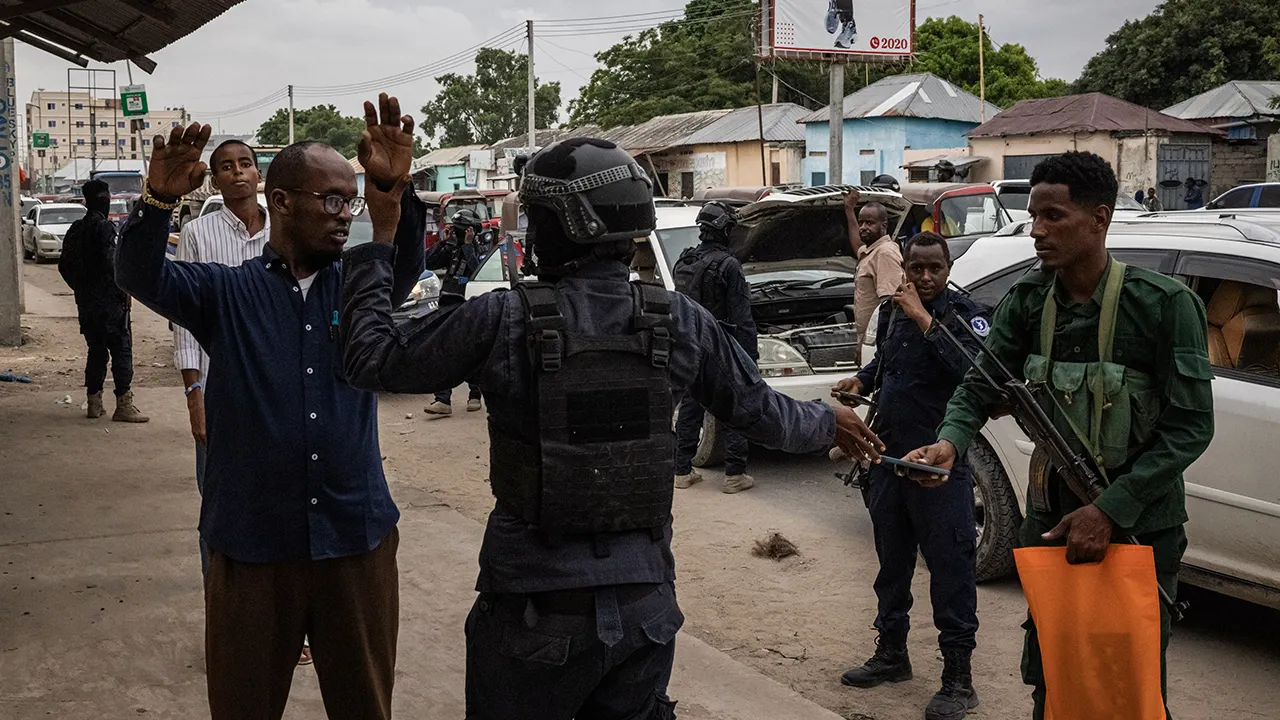
The article examines life in Somalia, a nation on the Horn of Africa long afflicted by violence and instability due to the presence of terrorist groups such as Al-Shabab (an al-Qaeda affiliate) and ISIS. Despite boasting Africa's longest coastline and a capital, Mogadishu, experiencing economic growth, Somalia remains plagued by insecurity, extortion, and corruption. Armed roadblocks are common, with both militants and government troops often demanding bribes. Human Rights Watch reports hundreds killed in 2024 by jihadists or in clan conflict. The Trump administration has dramatically increased US airstrikes against terrorist targets in Somalia compared to the Biden era. Al-Shabab controls significant territory, imposing harsh Sharia law, recruiting youth, and raising over $150 million annually through extortion and taxes on all facets of Somali society. While some in Mogadishu report increasing stability and economic opportunity, rural and southern regions remain under threat. Government corruption is rampant, and progress is uneven. The article highlights the resilience of ordinary Somalis amid chaos, their longing for freedom, and the slow, painful path toward better governance and safety.
Biblical Reflection
Through a biblical lens, the situation in Somalia is a tragic testament to the destructive power of sin manifesting as violence, corruption, oppression, and injustice. The Bible repeatedly denounces such acts: 'You shall not oppress your neighbor or rob him' (Leviticus 19:13). The extortion, terror, and lawlessness that pervade daily life in Somalia stand in stark contrast to God's vision of justice, peace, and care for the vulnerable. Yet, the resilience and hope of ordinary Somalis reflect the image of God within every human, persisting even in darkness. Scripture calls Christians to pray for the persecuted, to work for justice, and to long for the day when 'nation shall not lift up sword against nation' (Isaiah 2:4). The uneven progress and longing for accountability echo the biblical cry for righteous leadership: 'When the righteous are in authority, the people rejoice; but when the wicked rule, the people groan' (Proverbs 29:2). Ultimately, the story invites Christians to empathy, advocacy, and prayer, trusting that in Christ, no suffering is unseen, and that true peace and justice are possible, even in the most broken places.
Scripture in context
This outlook does not yet include contextual Scripture citations. Do not treat a general biblical theme as an exegetical conclusion.
Faithful Response
No prescribed response is offered. Consider the reflection prompts below in your own church context.
Reflection and Discussion
- 1How might God be calling you to pray or act on behalf of those suffering under oppression and violence in Somalia?
- 2What does true justice and righteous leadership look like according to the teachings of Jesus?
- 3In what ways can you encourage resilience and hope in yourself and others amid difficult circumstances?
Sources
Reporting links are evidence inputs; Sanctuary News' biblical reflection is commentary.
This outlook currently relies on fewer than two linked sources. Broaden verification before teaching from it.
- 1.Original reportprimary