News Summary
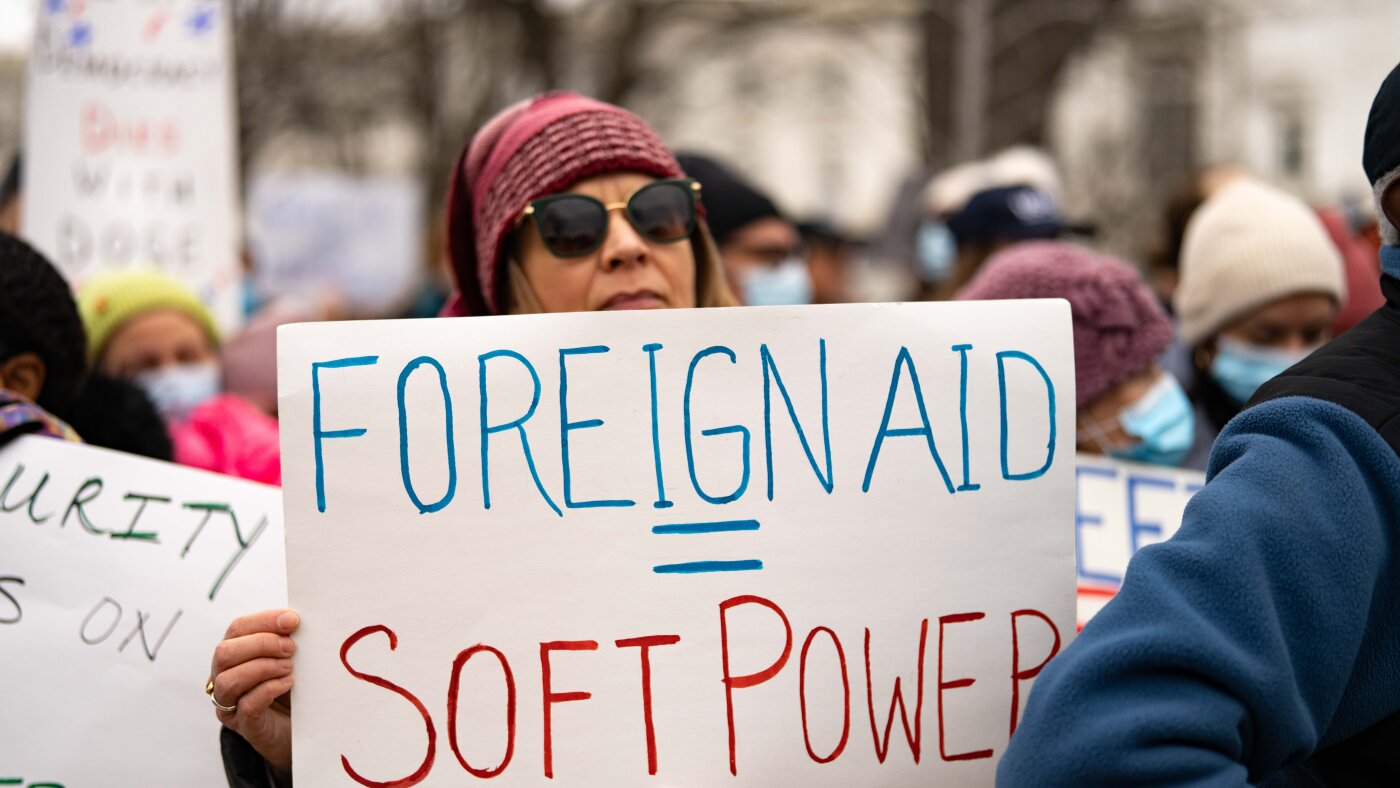
The article explains the concept of "soft power," crediting political scientist Joseph Nye with the term and defining it as achieving preferred outcomes by attraction rather than coercion. It situates the discussion in the context of the Trump administration's reductions to U.S. foreign aid and withdrawal from some international institutions, and reports claims from critics—such as Senator Dick Durbin—that these actions are "gutting American soft power" and creating openings for rivals like China. Brandfinance’s soft power index and other survey measures show declines in various indicators of U.S. soft power (e.g., perceived friendliness and cooperation). NPR interviewed multiple scholars (Samuel Brazys, Salvador Santino Regilme, Oluwaseon Tella, Jon Alterman) who describe different definitions and examples of soft power—cultural programs, educational exchanges (e.g., Fulbright), humanitarian and development assistance (e.g., USAID, PEPFAR), and medical and scientific leadership. They give concrete anecdotes (an acrobat troupe in Micronesia, U.S.-trained professionals in the Philippines, U.S. assistance in Africa) and note that soft power effects often unfold slowly and can be undermined by visible policy choices. Some interviewees argue that recent aid cuts and U.S. behavior in conflicts (including the Iran war) have damaged perceptions of U.S. intentions. The article presents expert perspectives on how soft power has been deployed, how it is measured, and how recent policy shifts may affect long-term U.S. influence.
Biblical Reflection
From a Christian perspective, the discussion of soft power intersects with biblical commitments to compassion, witness, and wise stewardship. The article rightly highlights that influence built through attraction—through acts of service, education, and cultural exchange—can shape hearts and decisions over time; this aligns with Jesus’ teaching that faithful witness and service draw others (e.g., Matthew 5:16). The piece leans toward a critical view of foreign-aid reductions and primarily features scholars concerned about lost goodwill; readers should notice that the selection of voices frames aid as a primary instrument of soft power and gives less space to arguments emphasizing limits of aid, fiscal trade-offs, or legitimate security concerns. Soft power metrics are also subjective—surveys and brand indexes capture perception as much as objective outcomes. Biblically, exercising influence is not an end in itself: acts of aid and cultural engagement should flow from love and justice, not merely geopolitical advantage. At the same time, prudence about national security and resource allocation is necessary; Scripture commends wise stewardship (e.g., Luke 14:28 about counting the cost). Christians should therefore hold a twofold posture: advocate for consistent, compassionate engagement that bears witness to God’s justice and mercy, and critique any policy or rhetoric that turns influence into an idol or that sacrifices moral clarity for power. Finally, the Church can model the kind of steady service and relationship-building the article associates with healthy soft power—serving the vulnerable, investing in education and relationships, and embodying a sustained, patient witness.
Scripture in context
This outlook does not yet include contextual Scripture citations. Do not treat a general biblical theme as an exegetical conclusion.
Faithful Response
No prescribed response is offered. Consider the reflection prompts below in your own church context.
Reflection and Discussion
- 1What assumptions about national interest and morality shape how experts measure and value "soft power"—are humanitarian acts framed primarily as moral goods or strategic tools?
- 2How might short-term political or security priorities be weighed against the longer-term relational influence that sustained aid, education, and cultural exchange create?
- 3Does public debate about foreign aid tend to treat influence (soft power) as an end, a means, or both—and how should Christian ethics inform that framing?
Sources
Reporting links are evidence inputs; Sanctuary News' biblical reflection is commentary.
This outlook currently relies on fewer than two linked sources. Broaden verification before teaching from it.
- 1.Original reportprimary