News Summary
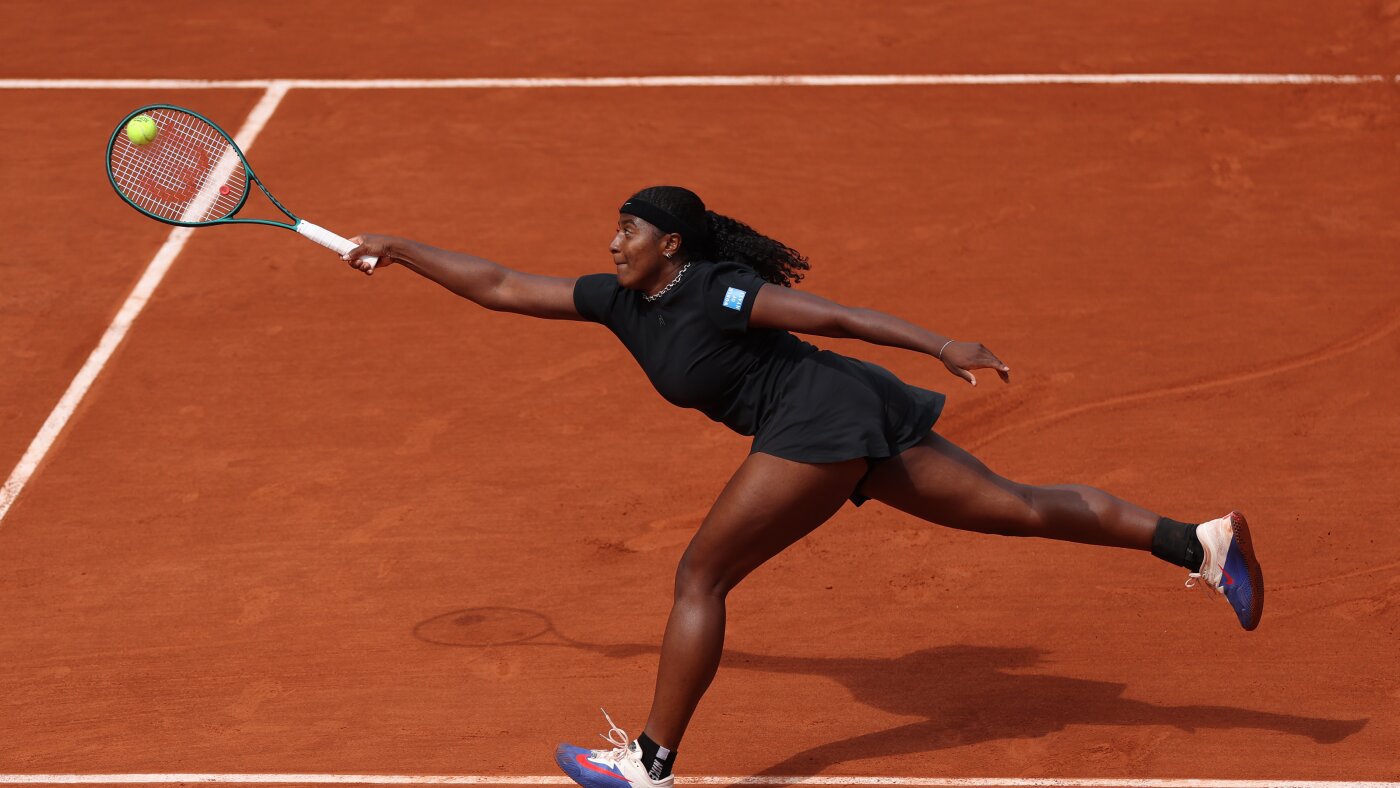
The article reports on the start of men's and women's qualifying rounds at the French Open and explains why clay is a challenging tennis surface. Roland-Garros courts are described as layered surfaces of various stones and coal residue topped with red brick dust; clay can shift underfoot and varies by location (red vs. green clay, altitude differences such as Madrid). Players and a retired pro (Steve Johnson) describe how clay affects movement, bounce, and strategy: it slows the ball, requires sliding and different footwork, and is sensitive to weather. Marta Kostyuk recounts learning flexibility in her game and notes success on heavier red clay like Roland-Garros, citing recent tournament wins that improved her WTA ranking. Hailey Baptiste says she enjoys sliding on clay and credits leg strength; she reached the fourth round of the French Open previously and is competing again, including doubles with Venus Williams. The piece notes the short clay season (late March to early June) and differences between courts in various regions.
Biblical Reflection
This is a practical sports piece focused on technique, adaptation, and the material realities of clay courts rather than moral or political claims. From a Christian perspective, it highlights virtues worth affirming: humility before challenging conditions, perseverance through a short and specialized season, and disciplined training to steward one’s gifts. The article’s framing is informational and celebrates measured excellence, but readers should notice the subtle value placed on ranking and wins (e.g., Kostyuk’s ranking jump)—a common sports narrative that can unintentionally equate identity with performance. There is little attention to broader human concerns (injury risk, mental health, or the pressures athletes face), reflecting a media tendency to prioritize achievement and spectacle. Spiritually, admire the craft and commitment on display while remembering that athletic success is a talent to steward (not an ultimate source of worth). Be cautious of any tendency—personal or cultural—to idolize performance. The article’s factual focus is sound (surface composition, strategic adjustments, and climate/altitude effects are described accurately), but its human scope is narrow by design; use it as an entry point to appreciate skill and resilience while keeping a gospel-sized perspective on what ultimately matters.
Scripture in context
This outlook does not yet include contextual Scripture citations. Do not treat a general biblical theme as an exegetical conclusion.
Faithful Response
No prescribed response is offered. Consider the reflection prompts below in your own church context.
Reflection and Discussion
- 1How does my instinctive admiration for athletic rankings or wins reveal where I place ultimate value—on human achievement or on Christ?
- 2What parts of an athlete’s story are commonly left out in achievement-focused reporting (e.g., mental health, rest, vocation), and why might that matter for how we view success?
- 3In what ways can the discipline and adaptability shown by these players model faithful stewardship of gifts without sliding into performance-based identity?
Sources
Reporting links are evidence inputs; Sanctuary News' biblical reflection is commentary.
This outlook currently relies on fewer than two linked sources. Broaden verification before teaching from it.
- 1.Original reportprimary