News Summary
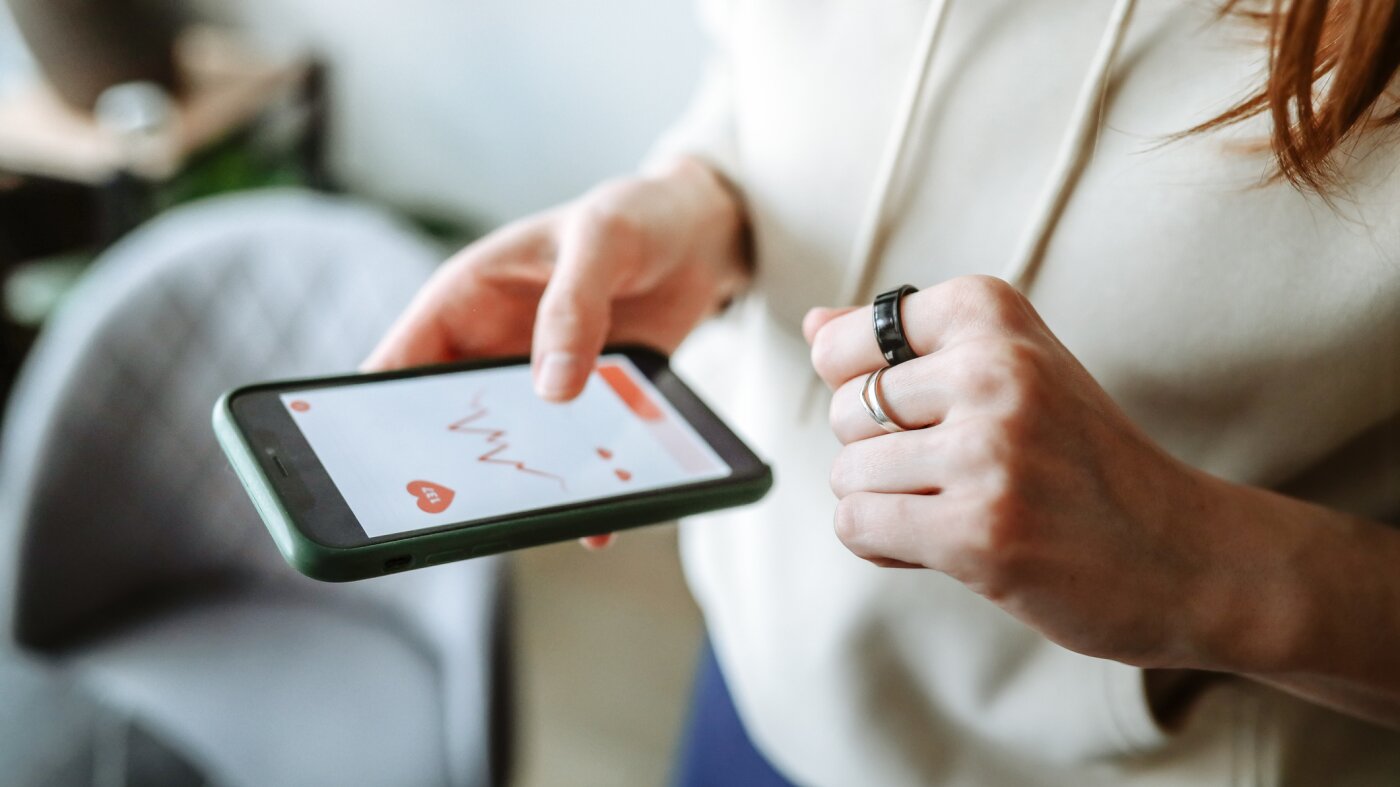
Millions of Americans use wearable devices (smartwatches, smart rings, fitness bands) that record metrics such as sleep, heart rate, body temperature, and heart rhythm. The American Academy of Neurology issued informal guidance about using wearable data. Clinicians quoted in the article advise patients to present patterns and context (events, stress, training) rather than raw single data points. Wearable data has helped some patients — for example, a person using an Oura ring linked sleep, temperature, alcohol, and menstrual cycle to migraine flares; an Apple Watch detected a dangerously low nighttime heart rate that led to cardiology referral and a pacemaker. Wearables can flag serious conditions such as cardiac arrhythmias, but device readings vary by manufacturer and software updates. Physicians note benefits (expanded longitudinal information, earlier detection) and risks (data overload, anxiety, device unfamiliarity). The article gives practical tips: learn how your device works, bring life context to appointments, ask questions, and balance useful metrics with non-measurable health factors (stress, relationships, habits).
Biblical Reflection
From a Christian perspective, the article portrays technology as a tool that can enhance care and stewardship of our bodies when used wisely. The examples show genuine benefits — earlier detection of dangerous heart rhythms and actionable patterns for chronic symptoms — which align with the biblical call to care for life and seek healing (e.g., providing means to prevent harm or relieve suffering). At the same time, the article implicitly advances a technicist worldview that privileges measurable data. Scripture and pastoral wisdom remind us that the human person is more than metrics: our story, relationships, and interior life matter for health. The piece responsibly cautions against idolizing data (which can cause anxiety) and against treating numbers without context, which aligns with Christian prudence and humility before complexity. Hidden biases in the reporting include limited attention to privacy, unequal access to expensive devices, potential false positives and the burden of follow-up care, and variability in clinician familiarity — all practical concerns with ethical and pastoral implications. Christians should therefore welcome useful medical technology as a gift to be stewarded, while testing claims, protecting the vulnerable, guarding against anxiety or idolatry of self-tracking, and insisting that clinicians treat patients as whole persons, not only data streams.
Scripture in context
This outlook does not yet include contextual Scripture citations. Do not treat a general biblical theme as an exegetical conclusion.
Faithful Response
No prescribed response is offered. Consider the reflection prompts below in your own church context.
Reflection and Discussion
- 1What assumptions about what is important to health are reinforced when we focus primarily on measurable data, and what aspects of human flourishing might that obscure?
- 2How might reliance on wearable alerts shift responsibility for care between patients and clinicians, and who could be advantaged or disadvantaged by that shift?
- 3When technology yields alarming or ambiguous information, how do we hold together prudent medical investigation, pastoral care for anxiety, and the biblical call to steward our bodies?
Sources
Reporting links are evidence inputs; Sanctuary News' biblical reflection is commentary.
This outlook currently relies on fewer than two linked sources. Broaden verification before teaching from it.
- 1.Original reportprimary