News Summary
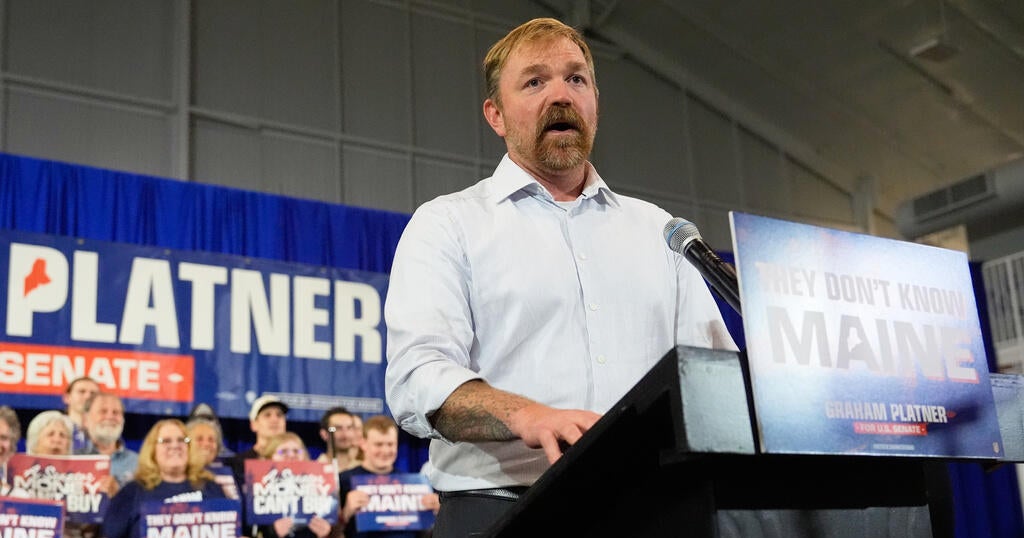
Graham Platner, who won the Maine Democratic primary for U.S. Senate, is facing a sexual assault allegation from a former partner and broad political pressure to withdraw; he has denied the allegation. Under Maine law, Platner has until July 13 to withdraw his name from the general-election ballot; if he does, the Maine Democratic Party may name a replacement but must finalize that choice by July 27. State law requires the Secretary of State to reprint or amend ballots if a party legally replaces a nominee, but it does not prescribe how the party selects a replacement. Party leaders say any replacement process would be open, transparent, and inclusive, though details remain undecided. Potential replacement candidates discussed in the press include Shenna Bellows, Troy Jackson (who has formed an exploratory committee), Nirav Shah, Jared Golden (who is not running), Joe Baldacci (not interested), and others who ran in the recent gubernatorial primary. National and progressive groups are urging the party to choose a nominee who matches Platner’s outsider politics, while some local leaders emphasize choosing someone clearly independent of Platner. Observers note that whatever nominee emerges will face incumbent Sen. Susan Collins in November and that Collins has a strong electoral track record in Maine. Political scientists quoted in the report say a late swap could help Democrats if Platner’s controversies suppressed their chances, but logistical and turnout challenges remain.
Biblical Reflection
From a Christian perspective, this story highlights the tension between seeking truth and protecting the vulnerable while navigating political urgency. The allegation is serious and demands sober, fair investigation and pastoral concern for all involved—both the accuser and the accused—rather than partisan expediency or character assassination. The institution (the party) must pursue transparency and fairness because trustworthiness is a civic virtue; rushed, opaque decisions feed cynicism and hurt neighbor-love. At the same time, public leaders and institutions should remember that political strategy must not override the moral obligation to care for victims, ensure due process, and uphold honesty. Media and interest groups often frame replacement discussions around power and optics; Christians are called to examine such frames and advocate for processes that honor truth, protect dignity, and prioritize the common good over factional advantage.
Scripture in context
This outlook does not yet include contextual Scripture citations. Do not treat a general biblical theme as an exegetical conclusion.
Faithful Response
No prescribed response is offered. Consider the reflection prompts below in your own church context.
Reflection and Discussion
- 1How do we rightly balance the presumption of innocence with the responsibility to take allegations seriously and care for survivors?
- 2Are calls for a quick replacement driven more by genuine accountability and transparency or by short-term electoral advantage?
- 3What standards of character and process should Christians expect from parties and leaders when allegations of moral wrongdoing surface?
Sources
Reporting links are evidence inputs; Sanctuary News' biblical reflection is commentary.
This outlook currently relies on fewer than two linked sources. Broaden verification before teaching from it.
- 1.Original reportprimary