News Summary
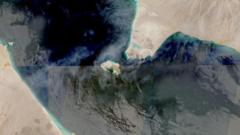
Reported facts: The BBC article states that the Houthi group in Yemen, described as Iran-backed, has threatened to target Saudi vessels in a vital shipping route. Attributed claims: The article frames these actions as raising fears of a wider Middle East conflict and additional global economic damage. Uncertainty: The short report offers no sourcing details about who issued the threats, when or how, which specific shipping lane is meant, nor independent corroboration of Iranian direction or of imminent attacks.
Source and Framing Analysis
Material uncertainties that affect the story: the report is brief and does not cite primary statements, named sources, or independently verifiable evidence. The label “Iran-backed” is widely used in coverage of the Houthis but compresses complex political and material relationships into a shorthand that can imply direct control; that nuance matters for assessing escalation risk. The article’s framing emphasizes fear of broader conflict and economic harm, which is a reasonable angle, but the piece lacks the specifics needed to evaluate immediacy and scale.
Biblical Reflection
This report points to a dangerous escalation in a regional proxy conflict with potential humanitarian and economic consequences. Christians should read the report attentive to facts and careful to avoid quick judgments: the description “Iran-backed” names a regional alignment that helps explain motivations but does not by itself prove direct orders or specific actions without more evidence. The threatened targeting of commercial vessels in a key shipping lane endangers civilians, supply chains, and livelihoods — harms that call us to pray for protection of noncombatants, to seek truth about causes and actors, and to advocate for diplomacy and restraint.
Spiritually, the episode surfaces perennial questions about power, fear, and neighbor-love. Our calling is to pursue peace, to protect the vulnerable caught between larger powers, and to resist narratives that dehumanize opponents or celebrate escalation. Practically, Christians should look for verified information, support humanitarian relief for those affected, and encourage public leaders toward measured, justice-seeking solutions that reduce harm to civilians and global trade.
Scripture in context
- 1Matthew 5:9 — Within the Sermon on the Mount, Jesus teaches about the character of those aligned with God's kingdom, including blessings for peacemakers amid conflict. — This passage calls Christians to seek and promote reconciliation and nonviolent solutions when nations and groups escalate toward war.
Faithful Response
Pray specifically for civilians and seafarers endangered by maritime threats and for clarity for journalists and policymakers.
Request reliable information before drawing public conclusions; urge leaders to pursue diplomatic channels that prioritize civilian safety and trade security.
Support reputable humanitarian organizations working to relieve those affected by conflict and supply-chain disruptions.
Reflection and Discussion
- 1How does the tendency to label complex conflicts with shorthand phrases like “Iran-backed” affect our ability to pursue truth and encourage peacemaking?
- 2When international threats endanger everyday livelihoods, which voices should Christians listen to most closely—experts, humanitarian agencies, or political leaders—and why?
- 3What concrete steps can believers take to be both truthful and merciful in public conversations about potential military escalation?
Sources
Reporting links are evidence inputs; Sanctuary News' biblical reflection is commentary.
This outlook currently relies on fewer than two linked sources. Broaden verification before teaching from it.
- 1.Frank Gardner: Houthi attacks raise fears of wider Middle East conflict and more global economic damageprimary_reporting