News Summary
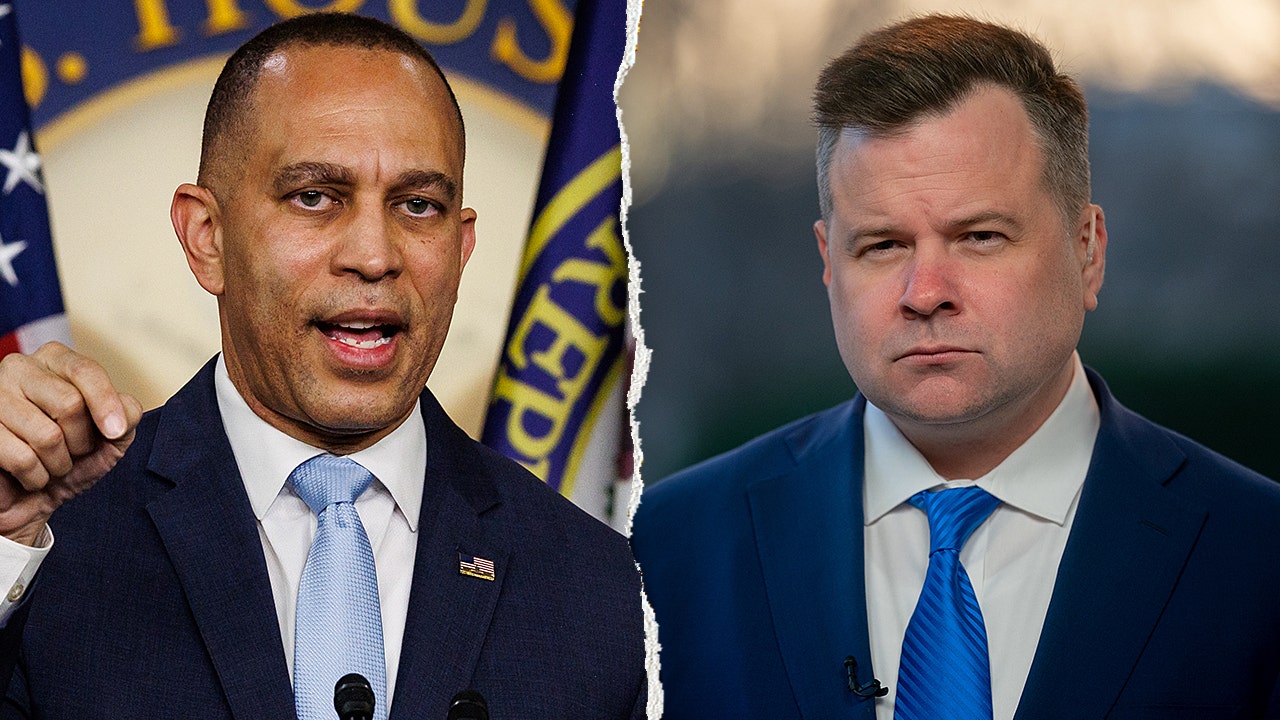
The House voted 198-218 on a motion to extend Section 702 of the Foreign Intelligence Surveillance Act for three weeks under a suspension-of-the-rules procedure; the measure failed to reach the two-thirds threshold. House Democrats, led by Minority Leader Hakeem Jeffries, withheld broad support because they opposed President Trump’s appointment of William (Bill) Pulte as acting Director of National Intelligence; several Republicans opposed the extension citing privacy concerns. Section 702 authorizes intelligence collection on foreigners using U.S. systems and can sweep up Americans’ communications incidentally. The program is credited by U.S. officials with preventing a 2024 terrorist plot at a Taylor Swift concert in Austria and with other counterterrorism and counter-narcotics results. Lawmakers warned that letting the authority lapse before a long-term reauthorization could cause operational, legal, and provider-compliance problems, while some Democrats pointed to a FISA court recertification that would allow certain collection to continue through March 2027. The impasse has intensified partisan rhetoric and raised urgency because the authority was set to expire at 12:01 a.m. Saturday.
Biblical Reflection
This report describes a partisan standoff over a surveillance law that sits at the intersection of security and civil liberties. The article foregrounds security warnings from Republican leaders and administration allies while noting Democratic objections and the FISA court’s recertification claim; that mix accurately reflects the political dispute but leans into urgency and risk language that can amplify fear. Christians should test the narrative against two truths: governments are called to protect the innocent and maintain public safety, and human dignity demands restraint and accountability where powers can intrude on privacy. The program’s credited role in preventing attacks is a legitimate public-safety claim, but appeals to fear (e.g., a country becoming “uniquely vulnerable”) can be used to sideline needed oversight. Likewise, objections framed solely as political retaliation may obscure genuine questions about qualifications and safeguards. A faithful response practices humility (demanding facts rather than rhetoric), courage (holding leaders accountable on competence and lawfulness), and mercy (seeking policies that protect people without needlessly violating rights). Christians can press for transparent oversight, proportionate tools for security, and legal protections for civil liberties rather than accepting either uncritical expansion of surveillance or reflexive shutdown driven by partisan point-scoring.
Scripture in context
This outlook does not yet include contextual Scripture citations. Do not treat a general biblical theme as an exegetical conclusion.
Faithful Response
No prescribed response is offered. Consider the reflection prompts below in your own church context.
Reflection and Discussion
- 1What evidence is offered for urgent security risks versus what is motivated by partisan positioning?
- 2How do we balance the real preventive benefits of intelligence collection with the need for oversight and protections for innocent people?
- 3When leaders use fear to press a policy point, how can Christians insist on measured, accountable decision-making?
Sources
Reporting links are evidence inputs; Sanctuary News' biblical reflection is commentary.
This outlook currently relies on fewer than two linked sources. Broaden verification before teaching from it.
- 1.Original reportprimary