News Summary
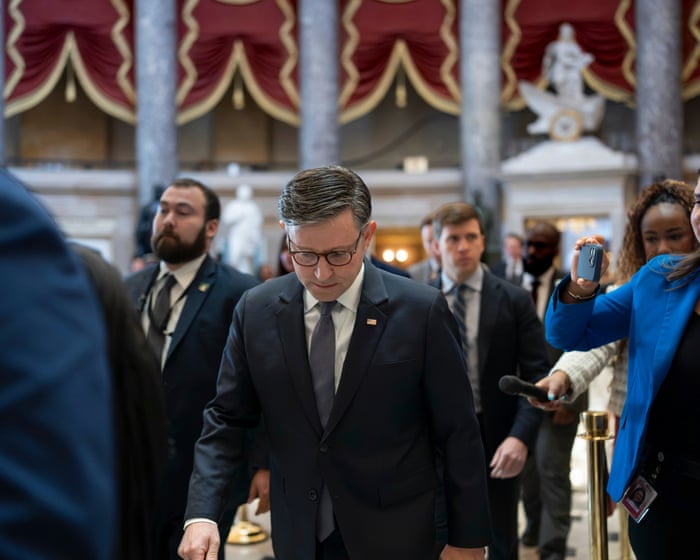
Reported facts: House Republicans left for summer recess after reported losses in Congress; Representative Jodey Arrington promoted a $95 billion budget blueprint including "tens of billions" for battlefield readiness and used phrases like "baseline battlefield readiness" and "bullets and bombs" while avoiding the words "war", "conflict", and "Iran." Attributed claims: the article asserts GOP priorities could be at odds with voters and that Democrats are attempting a resurgence. Uncertainties: the article excerpt does not provide specific details on which races were lost, polling data supporting the claim about voters' preferences, or the precise legislative text or vote status for the $95 billion proposal.
Source and Framing Analysis
The Guardian piece frames Republican actions as politically risky and emphasizes rhetorical choices (avoiding the word "Iran" or "war"). That framing highlights political vulnerability but the excerpt provides limited empirical evidence (no polling, no list of recent losses, no bill text or vote tallies). The narrative choice to focus on language and framing matters materially because it shapes readers' impressions of intent and accountability without supplying full supporting data.
Biblical Reflection
Christians should read this reporting with both skepticism toward partisan simplification and a commitment to moral clarity. The article spotlights how political language can obscure reality—avoiding the word "war" while describing battlefield spending is a rhetorical choice with ethical weight. The faithful response is not silence or partisanship but informed engagement: demand clarity from leaders about the purpose, legal basis, and humanitarian consequences of military actions and related spending.
We must also remember the biblical call toward peacemaking and protection of the weak. Military readiness can be a legitimate responsibility of government, but believers should weigh such policies against the costs to civilians, food systems, and civil institutions. Christians should prioritize truth-telling, mercy, and the long-term health of democratic processes when evaluating or advocating about defense and budget decisions.
Scripture in context
- 1Romans 13 — In its historical context, Romans 13 instructs early Christians about the role of governing authorities and the conscience of believers under imperial rule, emphasizing order and the use of legitimate authority to promote justice. — Use this passage to remind Christians that government has a responsibility for public order and protection, but that governmental authority is to be exercised in service of justice and the common good; believers should hold leaders accountable when policies risk harming the vulnerable or undermining justice.
- 2Matthew 5 (Sermon on the Mount, including 'peacemakers') — Jesus' Sermon on the Mount sets forth the ethics of the kingdom—an ethic of mercy, humility, and active peacemaking that often contrasts with worldly power dynamics. — This teaching calls Christians to pursue peace and to evaluate political choices by whether they create conditions for reconciliation and protect life; it encourages advocacy for policies that reduce violence and foster human flourishing.
Faithful Response
Pray for clarity and restraint from leaders and for protection of civilians affected by conflict.
Seek reliable information: read primary sources, vote informedly, and hold officials to specific questions about the purpose, oversight, and humanitarian implications of defense spending.
Engage your community through civil discussion, education on civic processes, and support for charities assisting those harmed by conflict and economic dislocation.
Reflection and Discussion
- 1Does our concern for national security include sustained care for civilians, food systems, and democratic institutions affected by conflict?
- 2When leaders avoid plain language about the use of force, what questions should Christians press them to answer about purpose, oversight, and humanitarian consequences?
- 3How can Christian witness resist both naïve pacifism and uncritical militarism, promoting instead a commitment to justice and peace?
Sources
Reporting links are evidence inputs; Sanctuary News' biblical reflection is commentary.
This outlook currently relies on fewer than two linked sources. Broaden verification before teaching from it.
- 1.Republicans head home for the summer after a string of losses in Congressprimary_reporting