News Summary
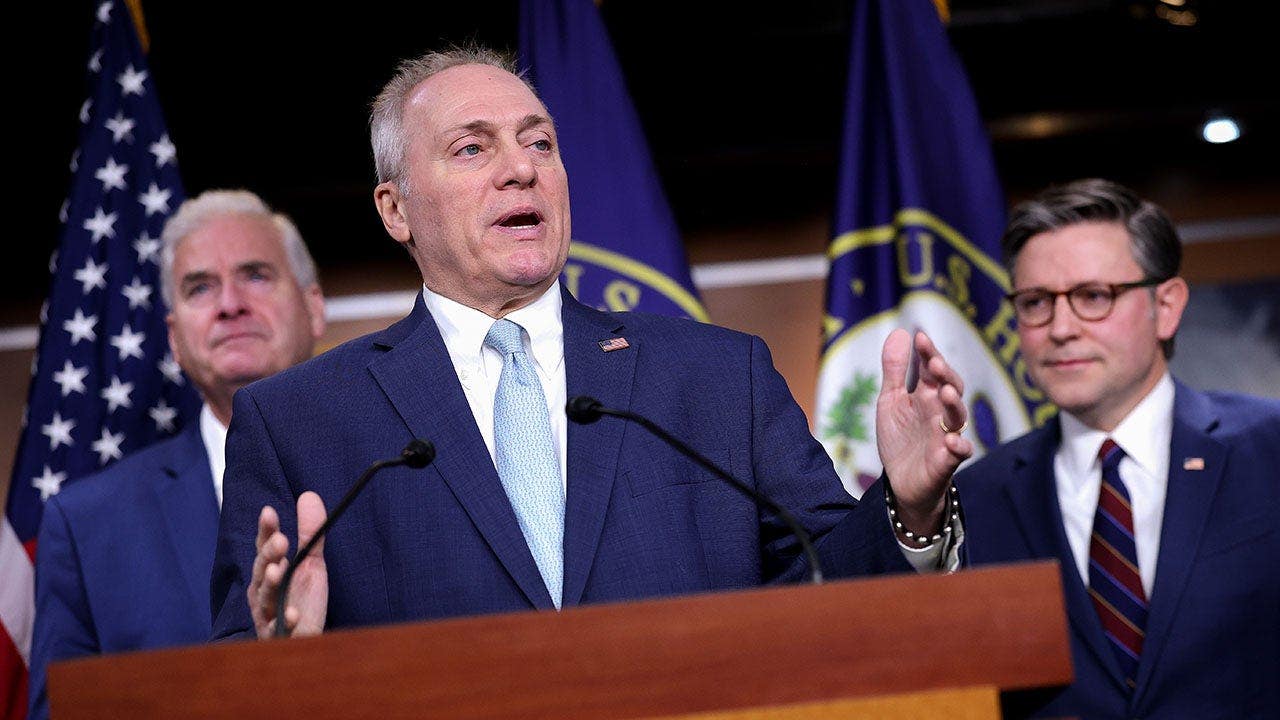
House Republicans foregrounded anti-fraud legislation as a campaign issue ahead of the midterms, advancing three messaging bills this week intended to target fraud in childcare block grants, Temporary Assistance for Needy Families (TANF)/emergency aid, and student aid (including "ghost students"). The House passed the childcare fraud bill; the TANF bill was pulled for further work and vote-count concerns, and student-aid measures were not taken up as planned when the House adjourned early. GOP lawmakers also held hearings alleging Medicaid fraud in Ohio and Minnesota and cited cases they say involve members of the Somali immigrant community. Democrats criticized the emphasis on fraud as political messaging and, in some cases, pushed back against claims they said risked scapegoating immigrants and distracted from affordability issues. A Fox poll cited in the coverage found over 70% of respondents believe fraud is common in welfare programs; House leaders said Republicans want to force Democrats to vote on anti-fraud measures in battleground districts.
Biblical Reflection
The article describes political strategy more than settled policy: Republicans are using anti-fraud rhetoric to respond to broader economic concerns and to create a clear campaign issue. From a Christian perspective, stewardship of public funds and accountability in government are legitimate concerns—truth, transparency, and protection of common resources matter. At the same time, the piece shows a risk common in partisan messaging: individual cases and charged anecdotes can be amplified in ways that single out an ethnic or immigrant group without clear public evidence of systemic wrongdoing. Christians should press for careful, evidence-based investigation and due process rather than accepting politically convenient claims. We are called both to pursue justice—protecting the integrity of public programs—and to show mercy and protect the vulnerable, including immigrants and the poor who rely on assistance. Where rhetoric veers into generalizations about a people group, it undermines neighbor-love and risks inflaming prejudice. Evaluate the claims by asking for audited data (Inspector General/state auditor reports), differentiate between political messaging and durable policy proposals, and insist that oversight not become a vehicle for scapegoating.
Scripture in context
This outlook does not yet include contextual Scripture citations. Do not treat a general biblical theme as an exegetical conclusion.
Faithful Response
No prescribed response is offered. Consider the reflection prompts below in your own church context.
Reflection and Discussion
- 1What independent evidence (auditor reports, OIG findings) supports claims of widespread fraud versus isolated incidents?
- 2Are anti-fraud efforts being pursued with safeguards for due process and protections against racial or immigrant scapegoating?
- 3Is political messaging emphasizing fraud addressing root causes of economic strain, or is it mainly a tool to shift voter focus?
Sources
Reporting links are evidence inputs; Sanctuary News' biblical reflection is commentary.
This outlook currently relies on fewer than two linked sources. Broaden verification before teaching from it.
- 1.Original reportprimary