News Summary
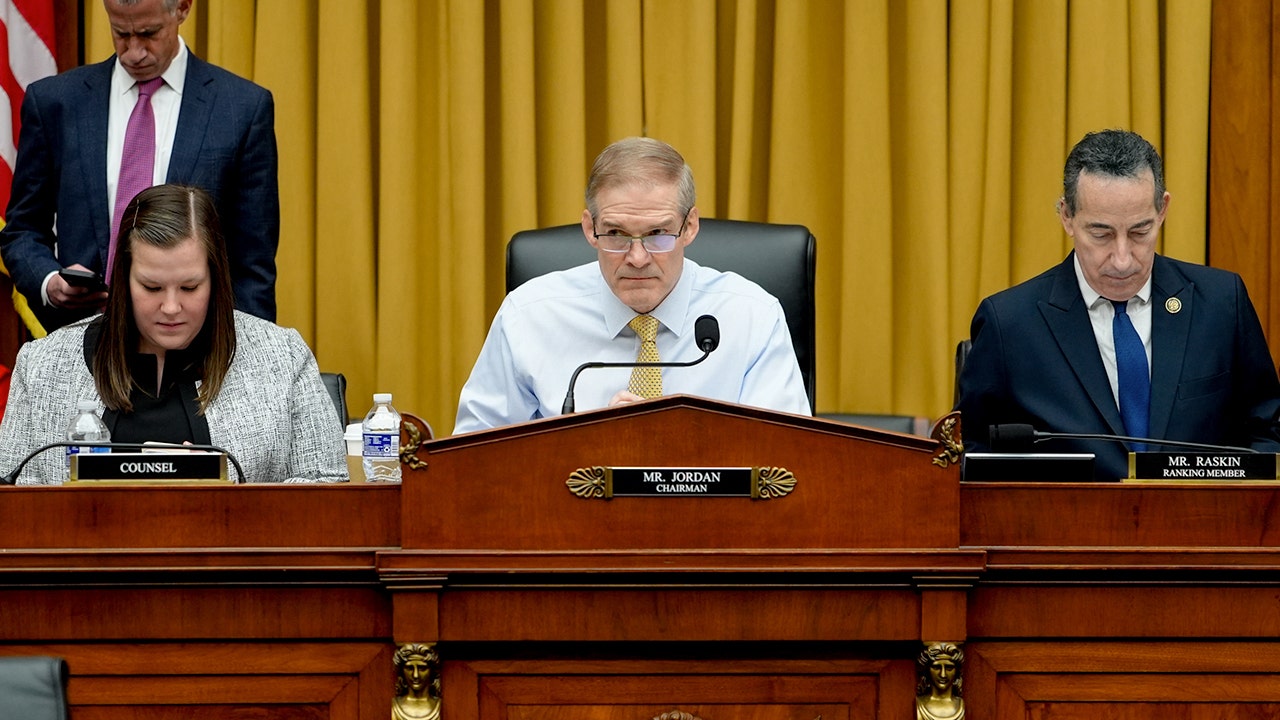
The House Judiciary Committee released a report accusing the NFL of exceeding the narrow limits of the Sports Broadcasting Act of 1961 and using its antitrust exemption to build an expansive and costly national media business. The report focuses on the league’s Sunday Ticket package, citing internal data that many subscribers primarily seek access to a single out-of-market team rather than being ‘avid fans’ of all games. It notes a 2024 jury verdict that found the NFL violated antitrust law and awarded roughly $4.796 billion in damages — a verdict later vacated by a judge. The Justice Department is investigating the NFL’s exclusive streaming deals, and FCC Chairman Brendan Carr has questioned whether the league should retain its special exemption. The Committee argues the NFL’s practice of packaging and selling games as a single entity, and its claims that 87% of games are available on free broadcast television, are misleading and have reduced consumer choice while raising viewing costs. The report warns that legislative or judicial action could force the NFL to change its media model, which currently supports league-wide revenue sharing and large broadcast contracts estimated around $110 billion; alternatives could allow individual teams to sell rights separately, with potentially large effects on revenue distribution and competitive parity. The NFL disputes the report’s narrative. Separately, commercial arrangements such as EverPass Media becoming the exclusive provider for Sunday Ticket beginning in 2026 are noted in the coverage.
Biblical Reflection
This oversight reflects legitimate public concerns about concentrated market power, consumer cost, and whether a decades-old legal carve-out matches today’s media landscape. The report’s purpose — to test whether the NFL’s conduct aligns with the original, limited intent of the Sports Broadcasting Act — is a reasonable exercise of legislative oversight. At the same time, the coverage and language reflect adversarial framing: partisan actors, commercial interests, and advocacy voices are all part of the story, so readers should separate confirmed facts (DOJ probe, committee findings, a vacated jury verdict, exclusive commercial deals) from interpretive claims. Christians should value both truth-seeking and humility here: pursue facts and fair application of law to protect consumers and the common good, but avoid rushes to moral condemnation before due process. Consider how concentrated economic power can harm neighbors — for example, by making access more expensive and eroding fairness among teams — and weigh reforms that protect competition and equitable access while recognizing legitimate business and league concerns about competitive balance and shared stewardship of the sport.
Scripture in context
This outlook does not yet include contextual Scripture citations. Do not treat a general biblical theme as an exegetical conclusion.
Faithful Response
No prescribed response is offered. Consider the reflection prompts below in your own church context.
Reflection and Discussion
- 1Who benefits most from the current media-rights structure — wealthy league owners, broadcasters, or everyday fans — and whose interests are marginalized?
- 2What assumptions underlie claims that the 1961 exemption still serves the public interest, and how do those assumptions hold up against today’s streaming market?
- 3How should lawmakers balance preserving competitive parity in sports with protecting consumers and competition in media markets?
Sources
Reporting links are evidence inputs; Sanctuary News' biblical reflection is commentary.
This outlook currently relies on fewer than two linked sources. Broaden verification before teaching from it.
- 1.Original reportprimary