News Summary
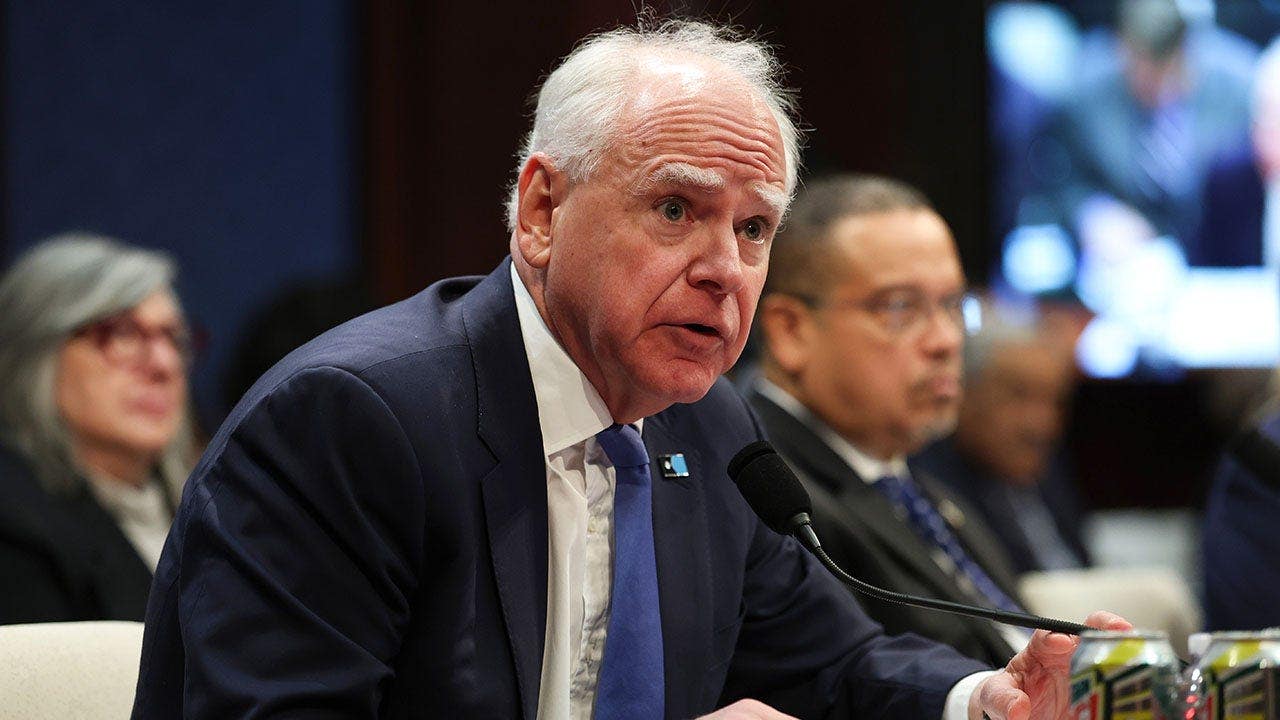
A Republican-led House Oversight Committee released a 205-page staff report alleging that senior Minnesota officials, including Governor Tim Walz, did not act on repeated warnings about fraud in state social-services programs. Investigators say the state allowed continued payments to high-risk providers despite credible signs of fraud; the report cites whistleblower interviews and internal warnings. The committee estimates Minnesota lost about $300 million in federal nutrition funds tied to pandemic-era meal programs and cites a federal prosecutor’s estimate that up to $9 billion in Medicaid billing may have been fraudulent (a figure disputed by the Walz administration). The report states concerns about potential racial-discrimination claims influenced decisions to continue payments, and some whistleblowers allege retaliation. Federal prosecutors have charged more than 110 people in related schemes; dozens of defendants in the Feeding Our Future case are from Minnesota’s Somali community. The committee urged Vice President JD Vance to review Minnesota’s fraud-prevention practices; earlier federal actions included suspension of roughly $260 million in Medicaid funding to Minnesota and other anti-fraud enforcement steps at the federal level. The report comes amid broader Republican-led efforts to pass new fraud-prevention legislation and investigate similar cases in other states.
Biblical Reflection
From a Christian perspective, the core concerns in this report touch on stewardship, justice, and care for the vulnerable. If true, the alleged failures represent a serious breach of public trust and harm to those the programs were intended to serve, especially children and low-income families. At the same time, the report is a politically produced document; some figures are estimates and disputed, and political motives and framing can shape which facts are highlighted. Christians should therefore insist on careful fact-finding, due process for the accused, and reforms that protect both public funds and civil rights. We must resist narratives that scapegoat entire immigrant communities; the gospel calls us to seek justice for victims while showing mercy to the vulnerable. Practically, faithful response includes demanding transparency and accountability from leaders, advocating for safeguards that prevent fraud, and ensuring program changes do not shut needy people out of essential assistance.
Scripture in context
This outlook does not yet include contextual Scripture citations. Do not treat a general biblical theme as an exegetical conclusion.
Faithful Response
No prescribed response is offered. Consider the reflection prompts below in your own church context.
Reflection and Discussion
- 1Are the report's claims presented as established facts or as committee findings and estimates; what independent verification exists for the $300 million and $9 billion figures?
- 2Who bears the practical harm from both the alleged fraud and from aggressive anti-fraud responses—are children, the poor, or immigrant communities being further endangered or stigmatized?
- 3Do proposed reforms balance stronger oversight with protections for civil rights and access to needed services, or do they risk creating barriers for legitimate providers and beneficiaries?
Sources
Reporting links are evidence inputs; Sanctuary News' biblical reflection is commentary.
This outlook currently relies on fewer than two linked sources. Broaden verification before teaching from it.
- 1.Original reportprimary