News Summary
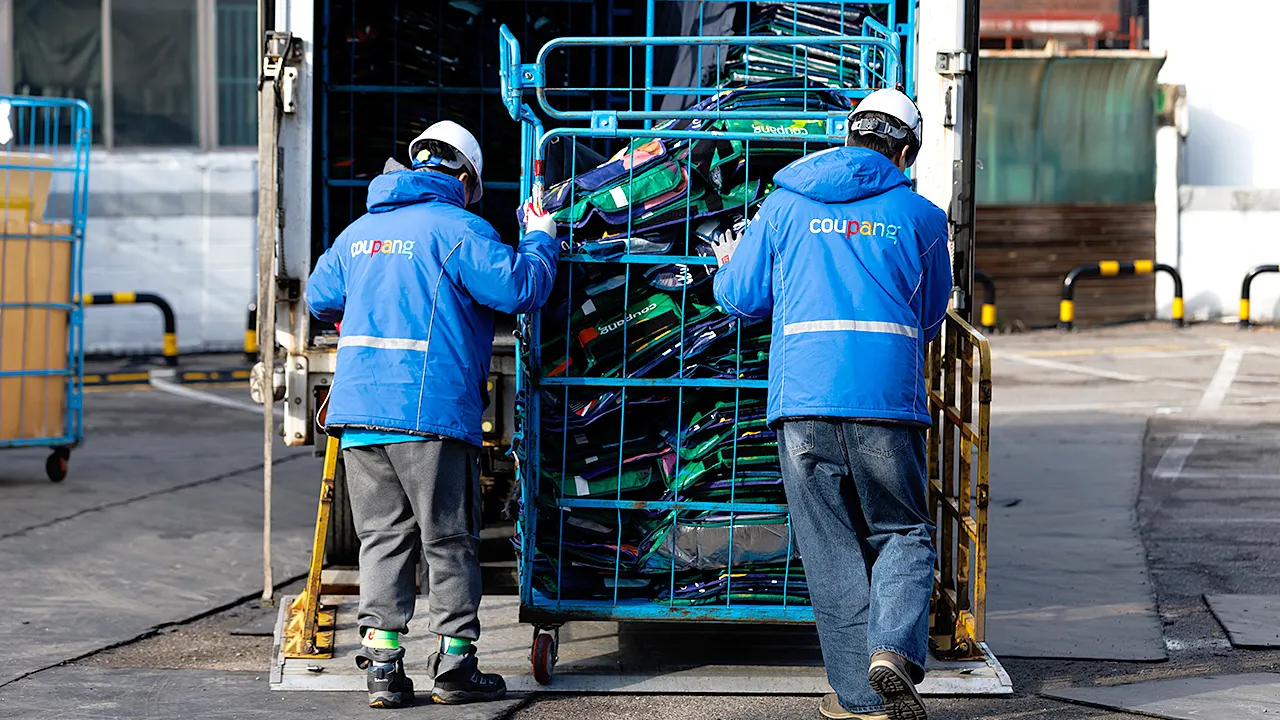
A House Judiciary Committee interim report, led publicly by Rep. Darrell Issa and signed by more than 50 Republican members, alleges that South Korean authorities have discriminated against American companies and advantaged China-linked competitors. The report centers on Coupang, a U.S.-listed e-commerce firm with a South Korean subsidiary, which disclosed a data breach by a former employee (a Chinese national) who stole an authentication key and accessed roughly 3,000 accounts. The committee recounts that South Korea’s National Intelligence Service (NIS) allegedly instructed Coupang to retrieve a laptop containing stolen data, which Coupang’s dive team reportedly recovered from a river in China. Coupang’s interim Korea CEO Harold Rogers testified to that effect; South Korean officials deny ordering the company to enter Chinese territory and have called for perjury charges. South Korean regulators (including the Personal Information Protection Commission and the Fair Trade Commission) later imposed penalties on Coupang — including a roughly $410 million privacy fine — which Coupang and the House report characterize as disproportionate and targeted. South Korea disputes the committee’s characterizations, says due process was followed, and notes fines were below statutory maximums; Coupang says it will challenge sanctions in court. Coupang’s stock fell sharply after the breach and regulatory actions. The committee and outside analysts warn the regulatory changes could meaningfully harm U.S. investors and business activity; a model cited estimates large potential economic losses to U.S. states if policies continue. Fox News Digital published the report and footage of the laptop recovery that it has not independently authenticated.
Biblical Reflection
The report raises genuine policy and diplomatic questions: foreign regulatory actions, cross‑border data security, and the risk to U.S. investors demand scrutiny. At the same time, the narrative is driven by partisan actors and a single news outlet; South Korea officially disputes key characterizations. Christians should weigh competing claims carefully — valuing verified evidence over political spin, demanding fair process for companies and victims, and recognizing legitimate national security concerns about China while avoiding easy scapegoating. The article’s framing (emphasizing a left‑wing government “aligned with China”) signals a worldview that reads economic regulation through zero‑sum geopolitical rivalry; that lens can alert readers to where fear and political interest may be shaping interpretation. Pastoral discernment calls for truth-seeking and humility: press for transparent investigations, protect consumers whose data was exposed, advocate justice for workers and firms treated unfairly, and pursue diplomatic channels that aim for reconciliation rather than escalation.
Scripture in context
This outlook does not yet include contextual Scripture citations. Do not treat a general biblical theme as an exegetical conclusion.
Faithful Response
No prescribed response is offered. Consider the reflection prompts below in your own church context.
Reflection and Discussion
- 1Which claims in the report are documented independently, and which rely mainly on one party’s account or partisan framing?
- 2How does reading regulatory action through a geopolitical threat lens (China vs. U.S.) shape both policy responses and public perception?
- 3Are victims of the breach (customers, employees, investors) being centered in the conversation, or are political narratives crowding out practical remedies?
Sources
Reporting links are evidence inputs; Sanctuary News' biblical reflection is commentary.
This outlook currently relies on fewer than two linked sources. Broaden verification before teaching from it.
- 1.Original reportprimary