News Summary
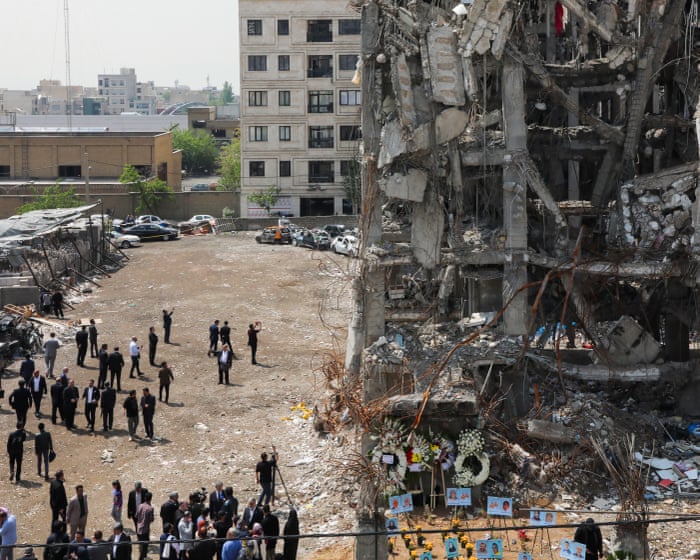
Facts reported: The House passed the NDAA 216–212; the bill totals about $1.15tn; six Democrats voted for it (Henry Cuellar, Donald Davis, Jared Golden, Vicente Gonzalez, Adam Gray, Marie Gluesenkamp Perez, and Josh Brecheen were listed); several Republicans opposed the bill. Representative Josh Brecheen publicly criticized the size of the spending increase. Reported/attributed claim: The article links passage and controversy to a claim that Donald Trump decided to attack Iran without first seeking congressional approval. Uncertainty: The article does not provide detailed sourcing or documentation for the claim about the alleged attack or legal steps taken by the administration.
Source and Framing Analysis
This is a Guardian live blog post summarizing a fast-moving House vote and related political controversy. Live blogs condense evolving events and may not fully document sourcing for every asserted connection (for example, the report tying an alleged Trump attack on Iran to NDAA controversy). The article provides vote totals and named lawmakers but offers limited detail about the alleged attack, the legal rationale cited by the administration, or the bill text and specific authorizations. Readers should treat the claim about the attack and its legal status as significant but currently under-documented in this single report.
Biblical Reflection
Christians are called to a posture that combines truthful judgment, merciful concern for all who suffer, and a willingness to pursue institutional accountability. Large defense bills affect real lives: service members, their families, and civilians in conflict zones. The moral weight of authorizing military resources and the constitutional question of who decides to use force demand careful attention, prayer, and civic engagement rooted in humility rather than partisan heat.
Scripture instructs care for the vulnerable, respect for legitimate authority, and the pursuit of peace. When political actors bypass constitutional processes or when spending priorities shift dramatically without broad consensus, faithful citizens should seek clarity and advocate for measures that minimize harm and protect the common good. We should criticize unjust or reckless decisions, but also care pastorally for people who will bear the costs of policy — including troops and refugees.
Finally, Christians should resist letting partisan loyalties override the pursuit of truth. That means asking for transparent information, supporting lawful processes that check executive power, and urging leaders to favor diplomacy and restraint where possible. Our civic faithfulness looks like informed prayer, measured public witness, and active care for those harmed by conflict.
Scripture in context
- 1Romans 13:1-7 — Paul addresses the early Christian communities under Roman rule, urging respect for governing authorities because they serve a role in maintaining order and justice, while also balancing that with the higher call of the gospel. — This passage calls Christians to engage responsibly with political structures — to seek lawful accountability and to pray for rulers — while holding leaders morally accountable rather than abdicating civic responsibility.
- 2Matthew 5:9 — In the Sermon on the Mount Jesus blesses those who pursue reconciliation and peace—peacemakers—as participants in God's restorative work in the world. — This text frames Christian concern about war and defense around peacemaking: Christians should favor actions that prevent violence, protect the vulnerable, and seek just resolution rather than celebrate force as an end in itself.
Faithful Response
Pray regularly for lawmakers, service members, and civilians affected by military policy and conflict.
Seek accurate, primary-source information (bill text, congressional record, official statements) before forming settled judgments.
Contact representatives to request clarity and accountability about authorization, oversight, and plans to avoid unnecessary harm.
Support ministries and charities that assist veterans, military families, and civilians displaced by conflict.
Practice humility in public conversation: critique policies with evidence and compassion rather than political tribalism.
Reflection and Discussion
- 1Do I have enough reliable information about the reported executive action and the NDAA to form a responsible judgment?
- 2How should the pursuit of peace and the protection of the innocent guide my evaluation of large defense appropriations?
- 3Am I holding leaders accountable out of a desire for justice and protection of the vulnerable, or primarily out of partisan interest?
Sources
Reporting links are evidence inputs; Sanctuary News' biblical reflection is commentary.
This outlook currently relies on fewer than two linked sources. Broaden verification before teaching from it.
- 1.Outcry after $1.15tn defense bill passes in the House – US politics liveprimary_reporting