News Summary
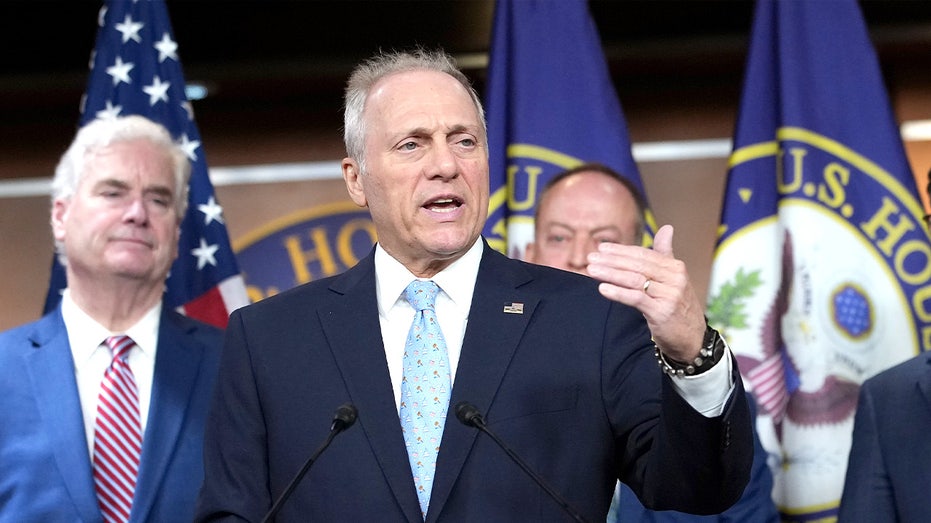
Reported facts: Steve Scalise is reported to have confirmed a planned fourth Republican reconciliation bill described as targeting government waste and fraud and intended to return money to taxpayers. Attributed claims: The article attributes the goal of returning money to taxpayers and targeting waste/fraud to GOP leaders and frames the bill with the party’s promotional language ('big, beautiful bill'). Uncertainties: The article provides no bill text, no cost-savings estimates, no independent verification of the level of waste/fraud targeted, and an unclear legislative timeline; it is not established whether the previously referenced '3.0' produced the savings or outcomes claimed.
Source and Framing Analysis
The single supplied source is a partisan news outlet reporting on a political plan. The article uses campaign-style framing (e.g., 'big, beautiful bill') that emphasizes rhetorical appeal over policy detail. Material uncertainties that affect the story include the absence of the bill’s text, lack of independent cost or savings estimates, and no cited examples or audits documenting the specific waste or fraud the bill would eliminate. Those gaps matter for assessing the plan’s truthfulness and potential consequences.
Biblical Reflection
The article reports a political plan rather than documenting enacted changes or verified savings. Christians should weigh goals like fiscal responsibility and accountability against the need for evidence, mercy for vulnerable people affected by budget cuts, and humility about partisan rhetoric. The phrase 'big, beautiful bill' and the emphasis on returning money to taxpayers are political framing devices designed to build public support; they do not by themselves establish the bill’s substance, effectiveness, or justice.
From a pastoral perspective, calls for stewardship of public resources are consistent with biblical concerns about honest management and care for neighbors. At the same time, true stewardship also includes protecting the poor, elderly, and medically vulnerable from abrupt reductions in services. Christians should press for transparent details — what programs would change, how savings are calculated, and who benefits or loses — and resist binary thinking that pits 'taxpayers' against those who depend on government services.
Practically, engage the announcement with both discernment and charity: seek facts, question persuasive language, hold leaders accountable for evidence, and advocate for policies that balance prudent fiscal management with compassionate care for those who will be affected.
Scripture in context
- 1Parable of the Talents (Matthew 25:14-30) — In its literary and historical context, this parable addresses responsible stewardship and accountability: servants are entrusted with resources and later judged by how they used them. It is told by Jesus to underscore readiness, faithful service, and wise use of what one is given. — Apply this teaching by demanding honest accounting and responsible management of public resources, while also remembering that stewardship includes protecting and investing in people who depend on public goods; policy that seeks efficiency should be evaluated both for fiscal prudence and for its human impact.
Faithful Response
Ask lawmakers and reporters for specific bill text, independent estimates of savings, and concrete examples of the waste or fraud the bill targets before endorsing or opposing the measure.
Support transparent oversight measures (audits, GAO reports, inspector general reviews) that can verify claims of waste and fraud rather than rely on slogans.
Pray and advocate for policy choices that balance fiscal responsibility with protection for the poor, elderly, and medically vulnerable who may be affected by budget changes.
Reflection and Discussion
- 1What evidence does this plan provide for the amount of waste or fraud it claims to eliminate, and how will those savings be measured independently?
- 2Who are the likely winners and losers if budget lines are cut in the name of eliminating waste, and how does that align with our responsibility to care for vulnerable neighbors?
- 3How does the article’s language shape our emotional response to the proposal, and can we separate persuasive political framing from policy substance?
Sources
Reporting links are evidence inputs; Sanctuary News' biblical reflection is commentary.
This outlook currently relies on fewer than two linked sources. Broaden verification before teaching from it.
- 1.Republicans aren’t stopping: GOP to unleash another ‘big, beautiful bill’ with a new targetprimary_reporting