News Summary
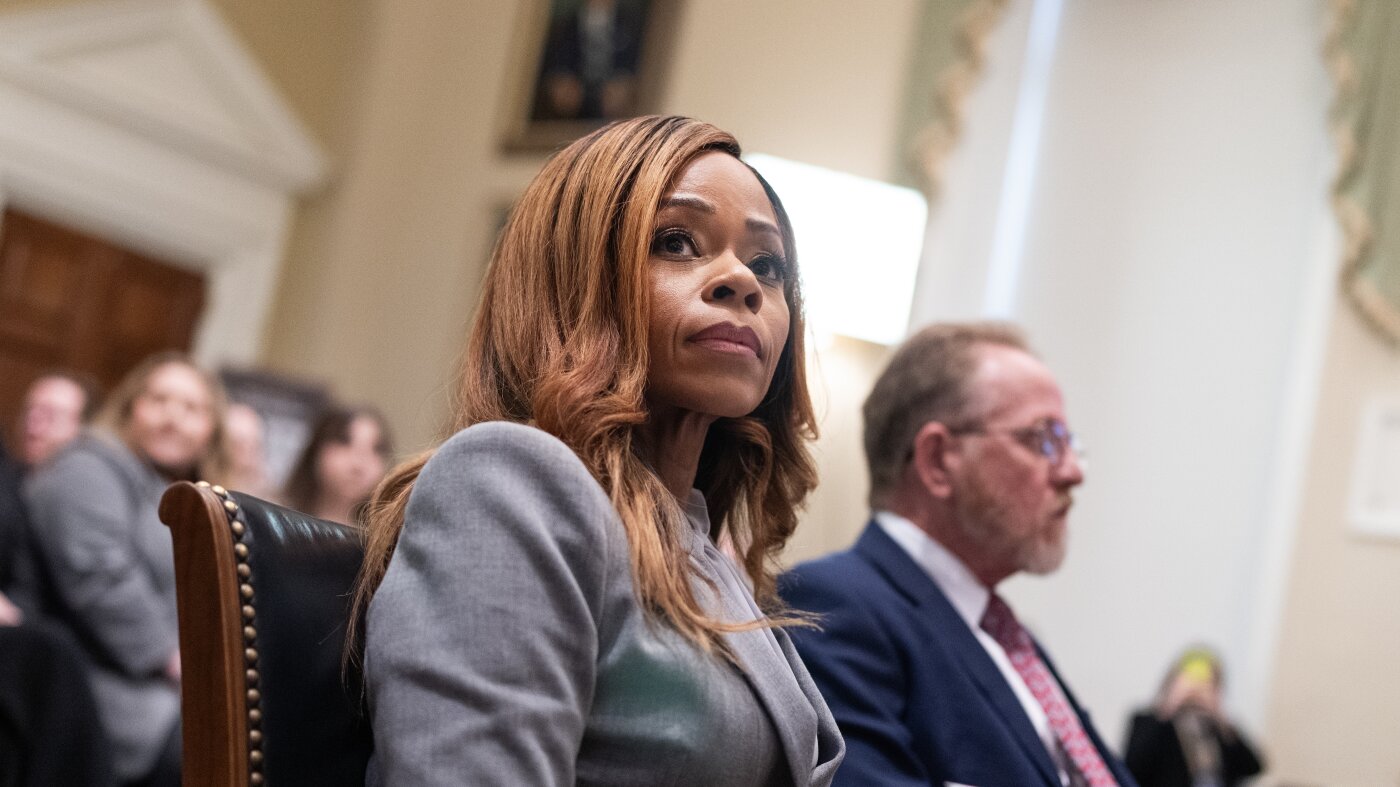
A bipartisan adjudicatory subcommittee of the House Ethics Committee found "clear and convincing evidence" that Rep. Sheila Cherfilus-McCormick (D-Fla.) violated House rules after a public, marathon hearing on March 26, 2026. Investigators say the subcommittee proved Counts 1–15 and 17–26 of the Statement of Alleged Violations following a two-year probe that reviewed more than 33,000 documents and conducted 28 witness interviews. Federal prosecutors indicted Cherfilus-McCormick in November, alleging she stole about $5 million in disaster-relief funds — including FEMA and Florida Department of Emergency Management disbursements — routed through Trinity Healthcare Services, a family company, to support her 2021 special election campaign. She has pleaded not guilty and denies wrongdoing. Her new counsel requested a delay and asked for parts of the proceeding to be closed, arguing the public hearing could prejudice her pending criminal trial; the committee denied those requests. In April, the full House will consider a punishment recommendation from the committee; possible outcomes include censure, committee removal, or expulsion (which requires a two-thirds vote).
Biblical Reflection
From a Christian perspective, this story raises two complementary biblical concerns: the need for accountable stewardship and the call to justice tempered by mercy. The Ethics Committee's finding signals serious questions about the stewardship of public funds and the integrity expected of public servants — issues Scripture treats seriously (e.g., honest weights and fair dealings). At the same time, an ethics finding by a congressional panel is distinct from a criminal conviction in court; Christians should resist equating the two and avoid premature moral triumphalism. Be attentive to institutional dynamics and partisan contexts: even bipartisan processes can be shaped by political incentives, media framing, and public pressure. A careful Christian response holds leaders to high ethical standards, insists on transparent and impartial processes, and preserves the presumption of innocence in legal proceedings. Practically, this calls for seeking truth (not rumor), protecting vulnerable public resources (disaster relief), and praying for repentance and restoration where wrongdoing is confirmed.
Scripture in context
This outlook does not yet include contextual Scripture citations. Do not treat a general biblical theme as an exegetical conclusion.
Faithful Response
No prescribed response is offered. Consider the reflection prompts below in your own church context.
Reflection and Discussion
- 1Am I treating an ethics finding like a criminal conviction, or am I holding both the process of accountability and the presumption of innocence in tension?
- 2How might political incentives, public pressure, or media framing be shaping the narrative and my immediate response to this story?
- 3What systemic weaknesses does this case reveal about stewardship of disaster-relief funds, and how should Christians advocate for both transparency and compassionate support for victims of disasters?
Sources
Reporting links are evidence inputs; Sanctuary News' biblical reflection is commentary.
This outlook currently relies on fewer than two linked sources. Broaden verification before teaching from it.
- 1.Original reportprimary