News Summary
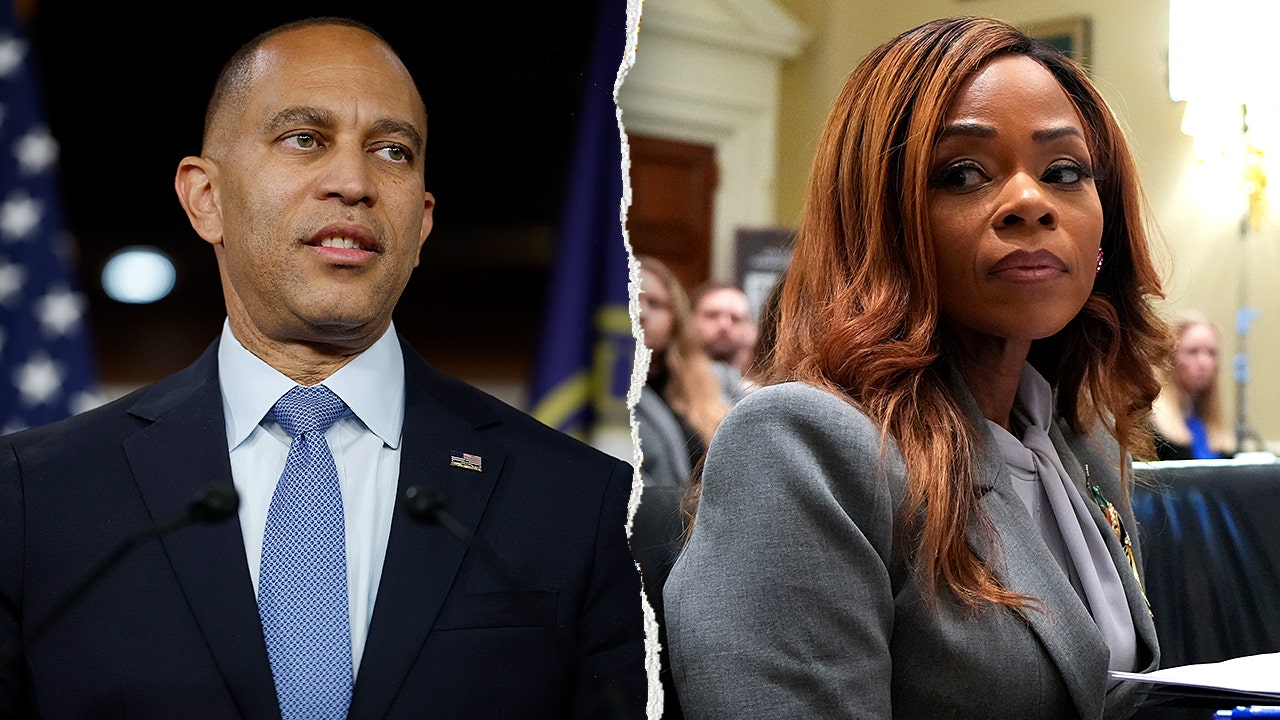
An eight-member House Ethics investigative subcommittee determined that Representative Sheila Cherfilus-McCormick (D-Fla.) committed 25 House ethics violations. The alleged violations include money laundering, making false statements on campaign finance reports, and seeking favors from entities receiving federal funding. The Ethics Committee will announce a recommended punishment in April; potential penalties include censure or expulsion, with expulsion requiring a two-thirds House vote. Separately, Cherfilus-McCormick faces a federal criminal indictment alleging she illegally transferred disaster relief funds from her family’s healthcare company to finance her congressional campaign and to purchase luxury items; she has pleaded not guilty and says she intends to prove her innocence and remain focused on representing Florida’s 20th District. House Democratic leadership, including Minority Leader Hakeem Jeffries and House Democratic Conference Chairman Pete Aguilar, have so far declined to publicly call for her resignation, citing the Ethics Committee process; a handful of House Democrats have urged her to resign or said they would consider supporting an expulsion resolution. The NRCC criticized Democratic leaders for not condemning her conduct.
Biblical Reflection
From a Christian perspective, this story raises questions about integrity in public life, the proper balance between due process and public accountability, and the danger of partisan loyalty obscuring moral clarity. The Ethics Committee’s finding and the separate criminal indictment are serious factual developments that demand careful attention to truth and justice. Christians should avoid reflexive tribalism—defending or attacking a person primarily because of party affiliation—because Scripture calls leaders to higher standards of honesty and stewardship (1 Peter 2:13–17; Titus 1:7–9). At the same time, the commitment to due process matters: an ethics finding or indictment is not the same as a criminal conviction, and fair procedures protect both the innocent and the public good. Media framing and political statements often serve partisan aims; readers should note when coverage emphasizes outrage or silence to score political points rather than to illuminate facts. Theologically, this moment is a call to uphold righteousness and accountability without abandoning mercy, to demand transparency from leaders, and to guard our own hearts against excusing wrongdoing when it benefits our side. Churches and Christians should pray for truth, for the institutions that administer justice, and for repentance and restoration where wrongdoing is confirmed.
Scripture in context
This outlook does not yet include contextual Scripture citations. Do not treat a general biblical theme as an exegetical conclusion.
Faithful Response
No prescribed response is offered. Consider the reflection prompts below in your own church context.
Reflection and Discussion
- 1Am I interpreting this news through partisan loyalties, or am I weighing the documented facts and the processes of accountability on their own terms?
- 2When leaders remain silent or defend colleagues accused of wrongdoing, is that silence prudence respecting due process or a protection of power—how can I tell the difference?
- 3How does my faith shape my expectations for public leaders' moral behavior and the community's responsibility to pursue both justice and restoration?
Sources
Reporting links are evidence inputs; Sanctuary News' biblical reflection is commentary.
This outlook currently relies on fewer than two linked sources. Broaden verification before teaching from it.
- 1.Original reportprimary