News Summary
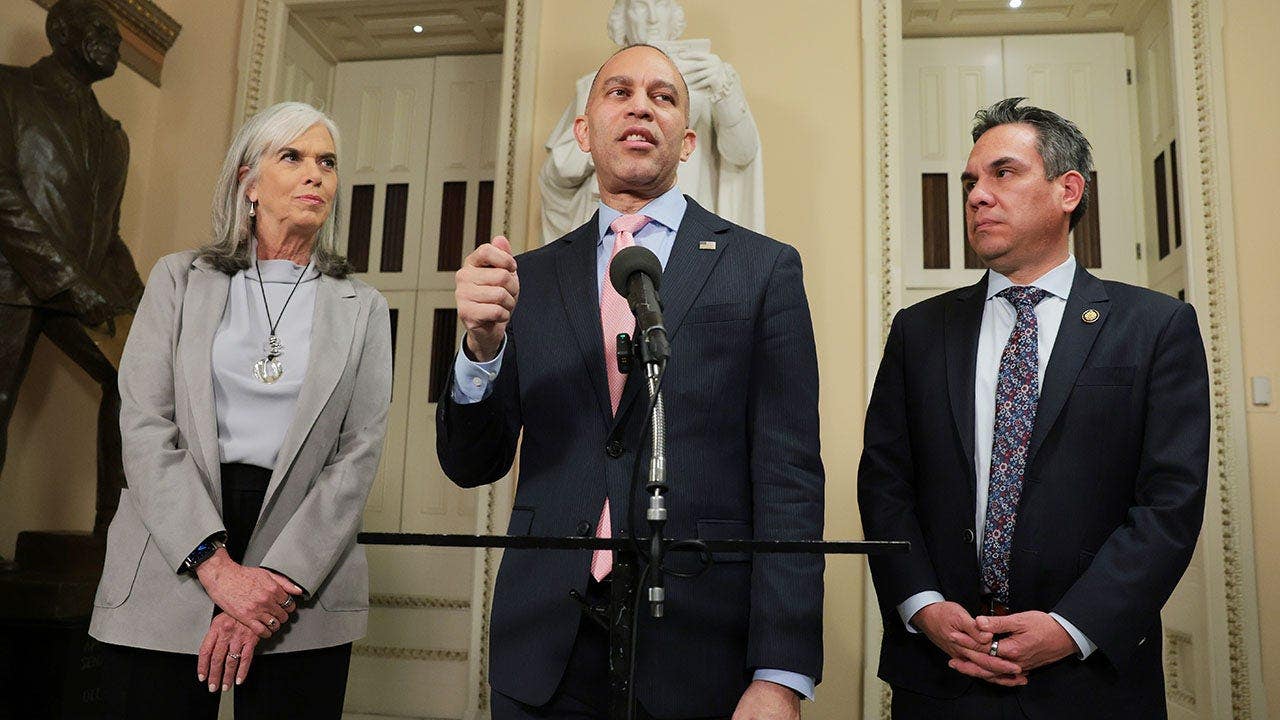
The House voted 104–313 to reject Rep. Thomas Massie’s amendment to the State Department appropriations bill that would have cut $3.3 billion in U.S. aid to Israel for the next fiscal year. Massie, a Republican critical of Israel, was the lone GOP supporter; 104 Democrats voted in favor of the amendment while 97 Democrats, including House Minority Leader Hakeem Jeffries, opposed it and 10 voted present. Democratic leadership did not issue a whip for the vote. Supporters of the amendment argued that withholding funds is necessary leverage to change Israel’s conduct amid the Gaza war; opponents said cutting aid would harm a key U.S. ally, damage national security cooperation, and could limit humanitarian, embassy, or refugee-related spending under the amendment’s broad language. Members who opposed the amendment noted that much of the funding is used by Israel to buy American-made equipment. The vote took place amid broader shifts in Democratic voter sentiment and intra-party debate over U.S. policy toward Israel and Palestine.
Biblical Reflection
This dispute reflects a genuine moral and strategic dilemma: obligations to allies and national security are entangled with concern for civilian suffering and demands for accountability. The article reports a clear political split, but its framing emphasizes party division and contested motives. Christians should notice two temptations in coverage and in political debate: first, simplifying complex realities into team loyalty (us vs. them), and second, using moral language to score points while neglecting concrete care for suffering people. Truth demands careful attention to what the amendment actually said (its breadth and what it would cut), to the real security implications, and to the humanitarian needs on both sides. Mercy and neighbor-love call Christians to grieve and advocate for civilians—Israeli and Palestinian alike—while humility requires resisting certainty about the single policy fix. Courage is needed to speak for justice even when it breaks partisan consensus; peace requires discernment about whether leverage advances protections for the vulnerable or simply escalates harm. Finally, evaluate sources and framing: headlines that stress intra-party conflict can obscure the substantive questions about what U.S. aid funds and how it is used.
Scripture in context
This outlook does not yet include contextual Scripture citations. Do not treat a general biblical theme as an exegetical conclusion.
Faithful Response
No prescribed response is offered. Consider the reflection prompts below in your own church context.
Reflection and Discussion
- 1Are we letting political allegiance shape which human suffering we acknowledge and act on?
- 2Does the public framing focus more on partisan division than on the concrete effects aid policy would have on civilians and security?
- 3How should Christians weigh national security partnerships against moral responsibility to prevent civilian harm?
Sources
Reporting links are evidence inputs; Sanctuary News' biblical reflection is commentary.
This outlook currently relies on fewer than two linked sources. Broaden verification before teaching from it.
- 1.Original reportprimary